-
×
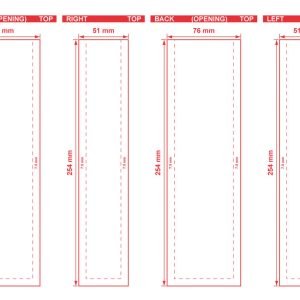
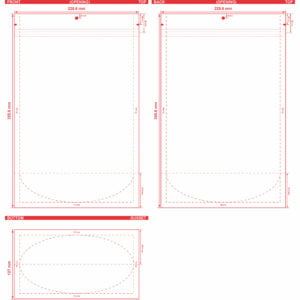
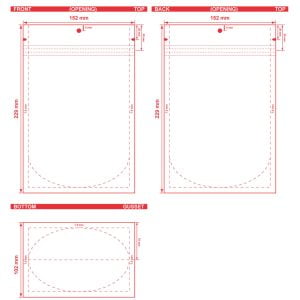
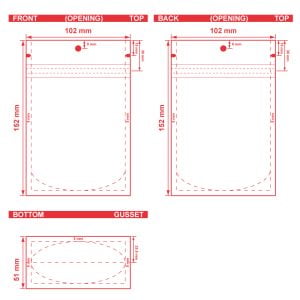
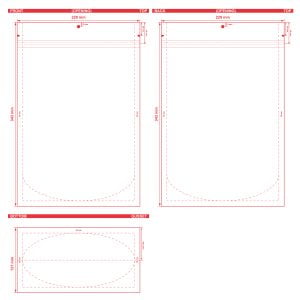
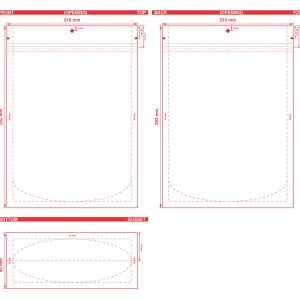
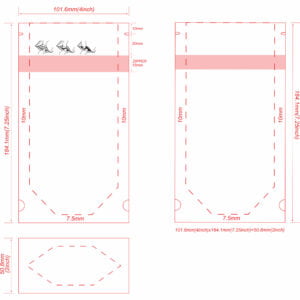 1/4 oz Child Resistant Stand Up Pouch 4x7.25x2 Dieline
1 × $0.00
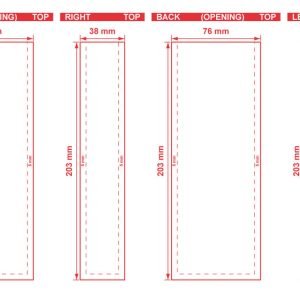
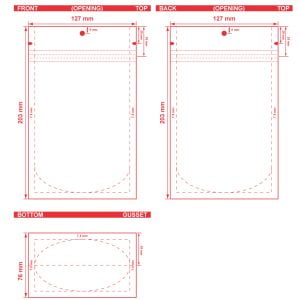
1/4 oz Child Resistant Stand Up Pouch 4x7.25x2 Dieline
1 × $0.00 -
×
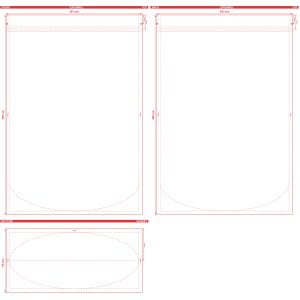
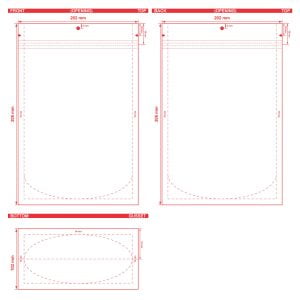
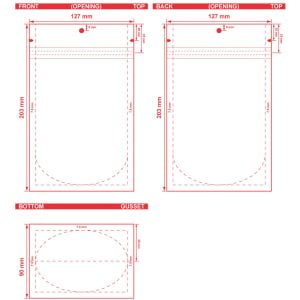
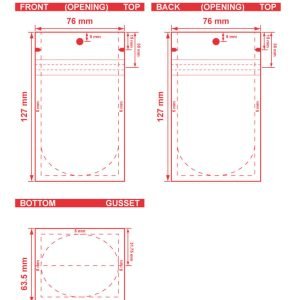
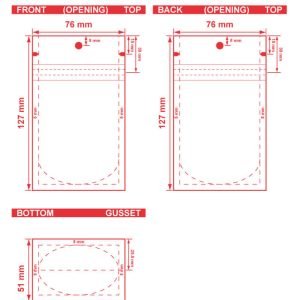
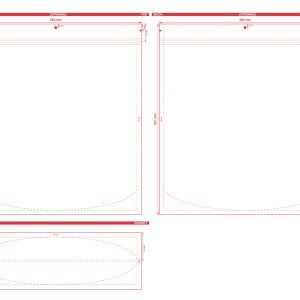
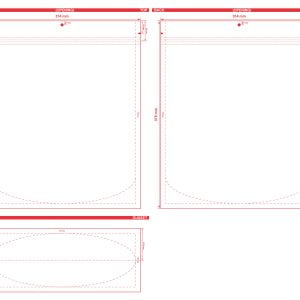
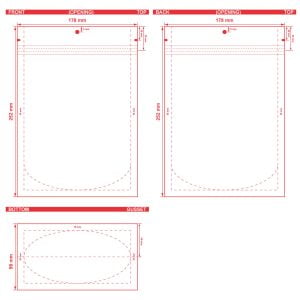
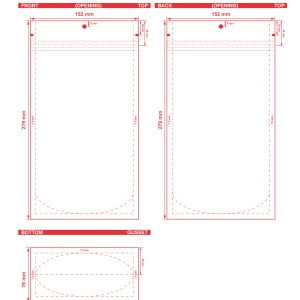 Clear Stand-Up Barrier Pouches 6x11x3 S-19174 Dieline
1 × $0.00
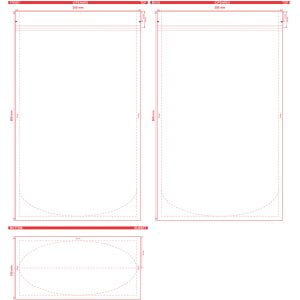
Clear Stand-Up Barrier Pouches 6x11x3 S-19174 Dieline
1 × $0.00
Subtotal: $0.00
 1/4 oz Child Resistant Stand Up Pouch 4x7.25x2 Dieline
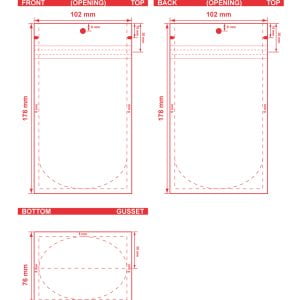
1 × $0.00 Clear Stand-Up Barrier Pouches 6x11x3 S-19174 Dieline
1 × $0.00
1/4 oz Child Resistant Stand Up Pouch 4x7.25x2 Dieline
1 × $0.00 Clear Stand-Up Barrier Pouches 6x11x3 S-19174 Dieline
1 × $0.00 Subtotal: $0.00

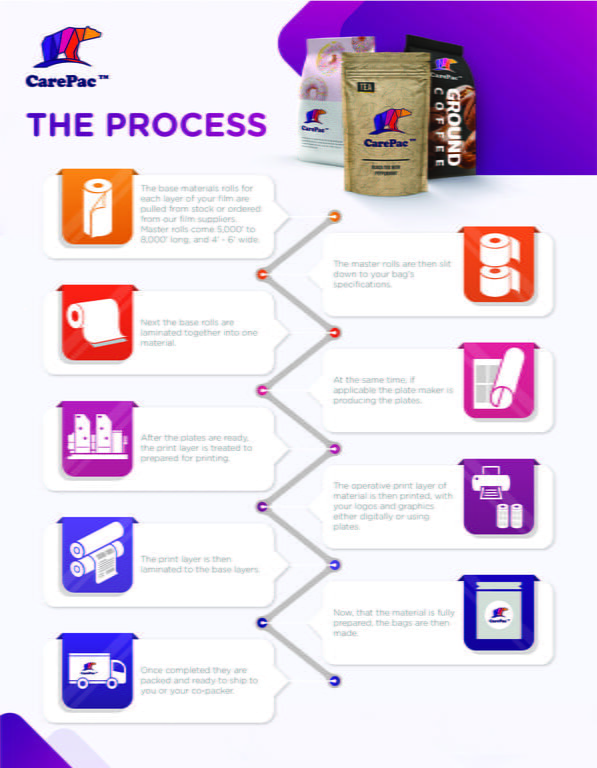
Picking a packaging partner is a hard decision which is why we’re going to compare three of the most popular packaging companies on the market – Carepac vs Roastar vs ePac Flexibles. We’ll present an in-depth assessment of each company’s packaging capabilities and provide recommendations at the end.
Our goal was to use our deep experience in the packaging & marketing industry to understand the bagging landscape and find out how each company stands up.
The main difference between the three companies is their selection of materials, printing options, and cost.
Click here if you want to skip to the end and see the winner!
You probably have a lot of questions about the specific features or services provided by CarePac, Roastar and ePac. Depending on your budget, material requirements, and lead time one company may appeal to you more than the other.
Let’s dive into some of the details!
Flexible Barrier Packaging
What is flexible barrier packaging exactly and what is it used for? Flexible barrier packaging is used to maintain freshness, extend shelf life and prevent damages to the contents of the package. Materials such as flexible plastics, aluminum, paper and coatings are used to keep oxygen, moisture and light out. This keeps your product fresh and damage free.
Flexible barrier packaging is better than other forms of barrier packaging due to its lightweight, lower cost, convenient portions, protection, and easy customization to specific applications.
The product you are packaging determines what material will work best for you. There are important considerations and questions you must ask yourself when deciding which material to use. Remember, the cheapest material may not be the correct material for your product, and you may end up paying for it in the end.
It’s always smart to consult a qualified packaging expert to help you choose the correct material. Having the right material is vital to keeping your product fresh and your customers happy.
Here are a few questions you should consider when deciding what packaging works best.
o How much product do you need in each barrier package?
o Where is the product stored? Freezer, shelf, outdoors, indoors?
o How is it transported? Is this package going to face pressure changes from air transportation?
o Is your product single us or multi-use?
When deciding on a material, it is wise to listen to packaging experts and not demand a certain material if they advise against it. Additionally, if a company is willing to package your product in a material they know is not right for the job, you may want to reconsider if they have sound business ethics.
Lets see what each packaging company has to offer for materials:
Material |
Roastar |
ePac |
CarePac |
| PET |  |
|
|
| PET/FreezerPE | |
|
|
| Metalized PET | |
|
|
| PE/PE | |
||
| PA/PE | |
||
| KPET/Nylon/PE | |
||
| PET/RCPP | |
||
| Paper/NKME/PBS | |
||
| High-barrier and multi-layer films | |
|
|
| Spot Metalized | |
|
|
| Recyclable Films | |
|
|
| Compostable Materials | |
|
|
| Biodegradable Materials | |
||
| PET/AL/RCPP | |
||
| Freezer & Microwave safe | |
|
|
| PCR film | |
||
| MOPP/Paper/Foil/NYLON/PE | |
In addition to the barrier materials listed above, CarePac also offers barrier coatings like EVOH, PVDC, and ALOX which enhance the barrier of the base material. Their line of flexible barrier materials: CareClear, CareSilver, CareFoil, and CareKraft offer the widest variety of packaging combinations that we could find!
If you’re looking for eco-friendly packaging, ePac or CarePac is your place to go! ePac offers recyclable vegan and compostable packaging materials but not biodegradable. CarePac offers all three packaging materials! Learn more about the difference between these materials.
When deciding what company to use, it is important to make sure that they offer the specific configuration your product requires. The chart below shows the different configurations available and which companies offer each bag style.
While Roastar offers a Fill-n-Ship option that no other company offers, CarePac has an overwhelming amount of bags to choose from. Businesses with multiple products may find that Carepac is their one stop shop for all their product packaging needs.
Configuration |
Roastar |
ePac |
CarePac |
| Stand Up Pouch | |
|
|
| Stand Up Pouch Plow Bottom | |
||
| 2 Seal Pouch | |
|
|
| 3 Side Seal Pouch | |
|
|
| Tamper Evident Pouches | |
||
| Square Bottom | |
|
|
| K-Style and Doy | |
|
|
| Liquid Spout Pouch | |
||
| Die-cut Shaped Pouches | |
||
| Fin Seal Pouches | |
||
| Flexible Barrier Tubing | |
||
| Fill-n-Ship Mailer | |
||
| Rollstock | |
|
As consumers are becoming more picky with what they buy, it is important your bag manufacturer has all the features you’ll need to help your product stand out on the shelf!
The soft-touch finish has been growing in popularity recently and will continue to do so. Recent studies have shown that consumers are more likely to purchase a product if it engages their sense of touch. Products packaged in this material are often considered high end (compared to traditional plastic materials) and consumers are likely to pay more for your product. If you’re looking to upgrade your products’ appearance and feel, ePac and CarePac are your places to go!
Feature |
Roastar |
ePac |
CarePac |
| Traditional Matte | |
|
|
| Soft-touch | |
|
|
| Gloss | |
|
|
| Spot Matte / Spot Gloss | |
||
| Child Resistant | |
|
|
| Zippers | |
|
|
| Tear notches | |
|
|
| Transparent or clouded windows | |
|
|
| Cold seal | |
||
| Hang holes | |
|
|
| Clear Gloss Laminate | |
|
|
| Clear Matte Laminate | |
|
|
| Kraft | |
|
|
| Degassing Valve | |
|
|
| Liquid Spouts | |
||
| Lip and Seal Tape | |
|
|
| Anti-Static Bags | |
||
| Retort Boilable Bags | |
||
| Easy peel | |
All three companies offer digital printing; however, Carepac is the only one that offers both digital and plate printing. When deciding which option is best for you, it’s important to remember that the printing process is different, but your bags will look exactly the same whether you choose to use digital or plate printing. Let’s look into these processes a little more!
Digital | Plate |
|---|---|
Digital printing is the process of printing digital-based images directly onto your package | Uses a thin aluminum plate to transfer your design onto the pouch |
Digital files such as PDFs, AI files, are sent directly to the printer. All designs are made from 5 ink colors: cyan, magenta, yellow and black (CMYK +White) | Artwork is separated into ink colors. Both CMYK and true PMS Pantone Colors can be applied to the bag |
Best for small projects that have many different designs. | Provides maximum economies of scale to reach the lowest per-unit cost. |
MSpot matte / gloss and soft touch coatings. | |
Use up to 10 colors |
When deciding which printing process suits your business better, it’s important to look at the pros and cons for both printing processes. One may suit you better than the other depending on your company’s needs.
Pros | Cons | |
|---|---|---|
Lowest per-unit cost | Metalized colors available | Minimum order quantities 5,000+ |
Most economical choice | Full range of print effects | One-Time Plate Costs |
Spot Gloss & Spot Matte available | PMS ink colors can be used | Startups with lots of different designs could have a lot of plates. |
Works with any material | Most versatile printing method | Cell |
Edge to Edge printing allows you to cover the entire bag with your design or color | Cell | Cell |
Pros | Cons | ||
|---|---|---|---|
Zero Setup Costs but higher per unit costs | Great for high color count designs | Higher costs | |
Don’t want to commit to ordering thousands of customized packages | Best for trial runs to test your design in the market | Not advisable for higher quantities | |
Perfect for smaller print runs | Frequent regulatory changes make bag designs obsolete quicker than you can use your bags | Unable to color 100% match PMS colors | |
Easier to print multiple versions of your design |
| Cell | |
Short runs-as low as 1,000 bags | Quick turnaround time | Cell | |
No plate fees | Can be used with any material | Cell | |
When deciding whether to use digital or plate printing, it is vital to understand the requirements of your business. If you want a large number of bags for a low cost and don’t mind paying a one-time plate fee, CarePac has you covered with their plate printing option.
However, if you’re just starting out and don’t want to commit to ordering thousands of customized packages or you want to test out different designs in the market and don’t mind paying the higher cost, digital printing may be the best option for you!
Lead times can vary significantly depending on where you purchase your bags. If you’re thinking about purchasing from China, it’s important to remember you’ll likely have to wait over 3-4 months until you see your beautiful pouches. However, you shouldn’t have to wait that long if you’re ordering from one of the three U.S. based packaging companies we’re talking about today.
If ordering from ePac, they state that your pouches will be produced in 15 business days once your artwork is approved. Rollstock will be produced in 5 business days (once artwork is approved). Not a bad turnaround time for someone who needs bags quickly. However, they do not offer options to help decrease costs.
If you’re considering ordering from Roastar, they estimate their lead times to be between 17-30 business days after artwork is approved. Roastar updates their lead times weekly so check out their website when you decide to order for the most up to date estimate. On some forums customers complain about how Roastar is unable to deliver on their lead times.
When ordering from Carepac, customers can choose a 15 day, 30 day, or 60 day lead time depending on their wants and needs. Carepac is the only company to offer different lead times for customers who would like great bags but are willing to sacrifice one of two things. All of Carepac’s bags are high quality; however, you may be able to save some money if you’re willing to accept a longer lead time. You could also receive your bags more quickly if you’d like to spend a little extra. Carepac allows customers to make the best decisions for themselves, so you can get exactly what you want without having to sacrifice the quality of your bags!
Unless you know EXACTLY what you’d like to order and have knowledge on all things barrier material, it’s a great idea to get a consultation before ordering any packaging. Having a company that will send you samples is also a great way to ensure you are getting exactly what you want!
CarePac and Roastar offer samples to customers and will provide a free consultation. All three companies we are comparing today allow you to easily request a quote online from their website; however, CarePac is the only company that can provide an instant estimate for you.
Instant estimates through CarePac are best for start-ups or new buyers, getting a rough estimate, basic options, orders requesting 1,000 bags or if you don’t have any art or designs. If this sounds like you, head over to their website and get an instant estimate!
If you’re an established company, have art designs or graphics ready and want to order 5,000 bags or more, it's best to get a detailed quote. By receiving a detailed quote you will also be able to select advanced options for your packaging.
Each company has a slightly different design process. Whether you’re a startup or an experienced packaging designer, it is almost always best to choose a company that will support you through the design process, especially if this is your first time using a new company.
Roastar’s design process begins with getting an optional free quote. At stage one you will choose your type, size, and material to receive pricing. Next you will start your project, create your account and download templates. You can then create and upload your artwork. If you need a designer, you can use their directory and choose a designer. After this, you will receive and approve your proofs either digitally or physically. Place your order and watch for your bags to arrive!
ePac’s design process is much simpler than Roastar’s and from what we could find, offers less support during the process than Roastar and CarePac (we’ll get to them in a minute).
ePac’s process starts by requesting a quote. They will then approve your artwork, print and finish your packaging and ship your bags. They focus on providing bags quickly to customers; however, lack in support from designers or customer service representatives.
CarePac prides themselves on their exceptional customer service and support they provide to their customers. They are dedicated to providing you with the most support during your bag creation process.
Their design process starts by providing you with an online quote either instantly or detailed. You will next select your size and configuration of your bags. Next you will approve your proofs with the help of a CarePac professional. You don’t even have to bring press ready art, they will take your original art files and set them up for printing during this step to ensure you get the best quality printing, and develop digital art proofs that you can revise. They will then print your materials and you can enjoy your new bags!
Cost is an extremely important thing to consider when making any business decision. Customized bags vary in price depending on which printing method you decide, type of bag, bag features and size.
CarePac is the only company out of the three we are comparing that will price match within 5% of any other quote so you don’t have to settle for an inferior product just to save money.
Customer service is extremely important in any industry and packaging is no exception. Deciding on materials, sizing, printing, features, and design can seem overwhelming almost instantly. Having a great, experienced team supporting you is vital to the success of your bags (and sanity).
As mentioned above, ePac seems to have the least support when it comes to designing and creating your bags. They offer the quickest turnaround time compared to the other two companies; however, the lack of support may have you stuck with bags that aren’t right for your product.
Roastar prides themselves on the creativity and design work of their bags. They allow you to pick one of their designers to help with artwork design but seem to offer little support when it comes to deciding what material is best for your product. While having an amazing design is super important, making sure your material holds up and keeps your product fresh is even more vital. People don’t like soggy popcorn!
CarePac’s main focus is their customers. They reiterate how important customer service is to them on every page of their website. They will be with you through every stage of the packaging process from deciding which materials are best for your product to helping you design the best artwork. They also uphold their ethics with every customer they serve. If the professionals at CarePac know that a certain material will not work for the product you are packaging, they will not provide the bags. You can rest assured with CarePac you will get high quality, beautifully designed bags that are perfect for your product’s requirements.
Roastar has done an excellent job marketing their quick and easy packaging creation process while making the experience enjoyable. They offer personal help to businesses during the design process and are able to digitally print designs for their customers. They acknowledge that small business needs are different from a big corporation and offer quick turnaround times in order to get products on the shelves fast!
Roastar offers many bag types including stand-up pouches, gusseted bags, flat-bottom pouches, flat pouches, and fill-n-ship mailers. Roastar is located in the United States and believes that small businesses can look big with their packaging!
ePac is a relatively new player in the packaging space. Created in 2016, their mission has been to help small brands obtain a big brand presence while giving back to the communities they serve. ePac also aims to contribute to the creation of a more sustainable, circular economy.
ePac currently has locations throughout the United States, Canada, and the United Kingdom. Once artwork is approved, orders will ship between 5-15 business days and customers can purchase low minimum quantities. They offer many bag types including lay flat pouches, stand up pouches, rollstock, child resistant packaging, films and sustainable packaging.
CarePac is focused on making sure their customers are properly educated, guided and cared for through the entire packaging process. They are a California based company that focuses exclusively on flexible barrier packaging and putting the customer FIRST. They claim to offer deeper knowledge, better product selection, and higher quality service than any other packaging company in the market. Carepac guarantees that your bags will be done right through their CareDesign process to reflect your company’s values. They are a transparent, tell it like it is, company that ensures their customers receive exceptional customer service and great bags!
CarePac is one of the only companies to offer both plate and digital printing and a variety of materials. They offer 10+ available features customers can add to their bags and have 14 different pouches to choose from. Customers can get exactly what they need to make their products stand out against the big guys with CarePac!
While all companies we discussed today have similarities, Carepac is the best choice. Their exceptional customer service, wide variety of materials and bag choices, knowledgeable staff, and price matching promise makes them the top choice for any company looking to create custom printed bags. With Carepac, you’ll receive the best customer service in the packaging industry. Still skeptical? Give them a
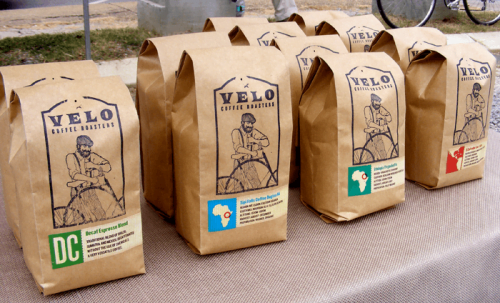
Packaging is an essential process in your coffee business. It draws the attention of your potential customers and ensures the freshness of your coffee while it’s sitting on the shelf. After all your hard work finding the right beans and the right suppliers, you don’t want to make the common mistakes when selecting your packaging. This is why you need to be very purposeful when designing a package and choosing the right packaging provider.
Of course, the packaging isn’t just about an attractive outlook of the bag — several factors need to be considered when packaging coffee. From the filling process, size and scale of your business, to your customer’s preferences, you must give your coffee packaging the proper attention it deserves.
Here is everything you need to know, so you can get it right when it comes to coffee packaging. Let’s dive right in!
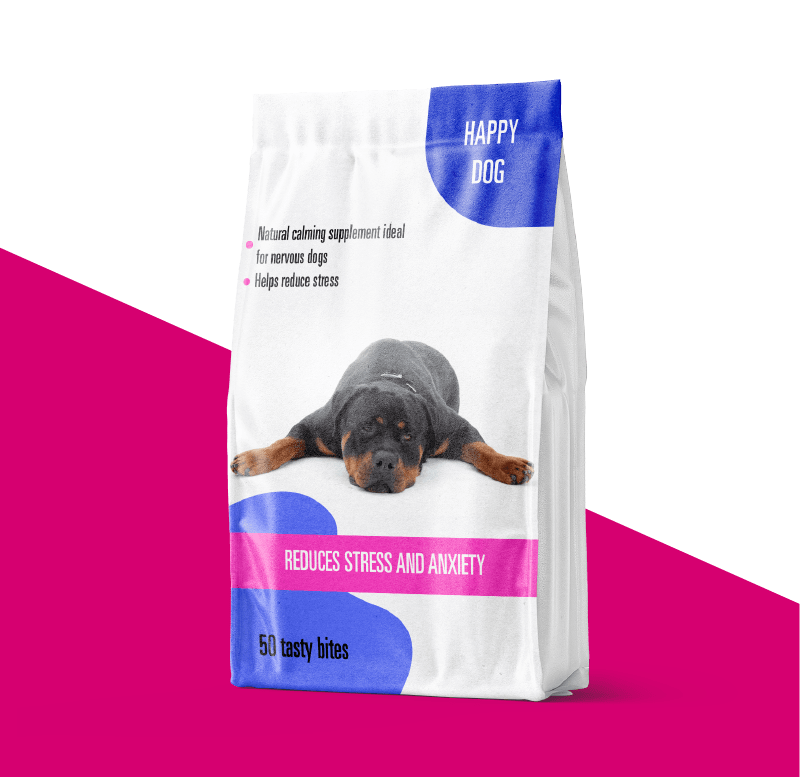

Humans love dogs. Hence the old adage that dogs are a man’s best friend. That’s why pet owners want the best for their companions — healthy, tasty, and nutritious organic treats. Creating the best organic dog treats is one thing, but getting buyers to believe your product is the best is a different ball game. It all comes down to marketing.
But how do you enhance your organic dog treat packaging to stand out? That is where excellent packaging that’s appealing and customer-centric comes in. Today, we’ll focus exclusively on how to create the best organic dog treat packaging that will stand out and convince customers to pick up your package. So let’s dive right in!
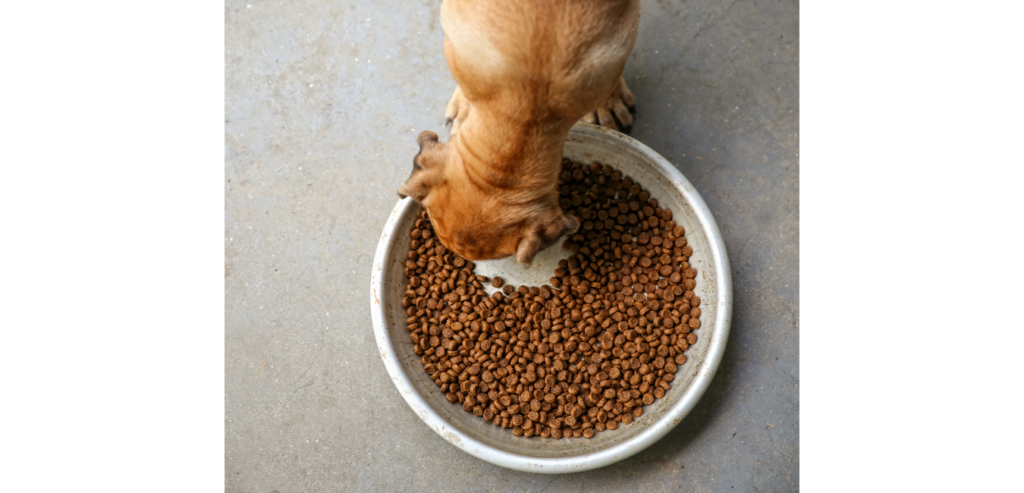
Dog enthusiasts want nothing but priceless treats for their pets. They wouldn’t want something that would easily go bad and possibly harm their pets. Furthermore, premium dog foods need premium packaging. You need to choose the right packaging materials to ensure your dog treats remain fresh, even after sitting on the store shelf.
Let’s face it, if a dog owner buys organic treats for their pet, and after a couple of days the treats are stale, or even worse, the treats have gone bad, and the dog gets sick, requiring costly medical attention, customers will undoubtedly be upset and never buy your product again.
To avoid this, you need durable and resealable bags that would maintain the quality of your dog treats even after being opened. In addition, quality packaging will attract new customers and possibly turn them into loyal shoppers.
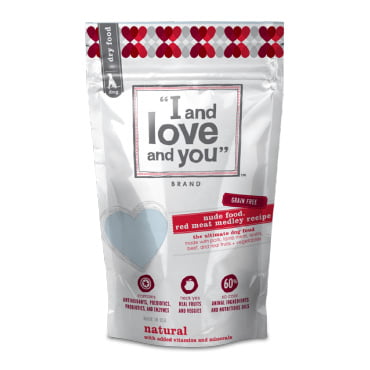
You wouldn’t want to get it wrong, especially, after all the hassles in the refining processes, without forgetting the high costs. And that’s why without any doubt, you require packaging that uses high barrier materials to keep the dog treats safe while maintaining their quality.
A package made of high barrier materials protects the food treats against harmful external intruders, such as moisture and unpleasant odors. The barrier is always made of a thick protective layer, which keeps your treats fresh and appealing. It also ensures the flavors are intact, so the treats maintain their taste.
For example, CareFoil has a very high barrier to oxygen and moisture. It has a strong protective layer that doesn’t allow oxygen or any amount of moisture to penetrate through. With such grade A materials that assure safety, you’ll be certain to keep your treats fresh and appealing.
Every business wants to be unique — they want their product to have a core differentiator. Your dog treats are no exception. They shouldn’t look similar to your competitors’ brands. With so many organic dog treat brands out there, you need to be on top of your game to get ahead of the rest. Customers don’t want plain or cluttered packaging designs. That would look unattractive and low quality, hence putting them off.
A unique design tailored according to the culture of your business, and perhaps your targeted audience will help you sell more dog treats. You need great images with bright color schemes, pretty accents, and engaging fonts.
Above all, you should ensure that your organic dog treat packaging is appealing to the eye as customers buy with their eyes.
Customers are the backbone of your business. Their view of your brand matters. And it’s no lie that one unsatisfied customer can walk away with thousands of others. You, therefore, need to give utmost attention to the quality of your dog treats.
For example, Coca-cola has a unique, admirable, and selling appearance, which goes hand in hand with the quality of their products. They have always ensured high quality in their products, and that explains their dominance in the market for such a long period of time.
In online market platforms such as Amazon, it’s all about customer reviews. Good reviews will sell your dog treats, while negative reviews will, on the other hand, shun away thousands of potential customers, even those who can afford to pay a pretty penny for organic dog treats.
And remember that a customer’s perception is always right. Their perception may not be accurate, but consumers still carry a lot of power, especially in the current digital market. So you shouldn’t hesitate to provide remarkably high-quality organic treats packaging.
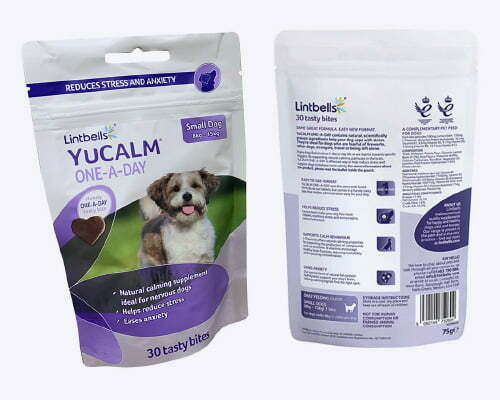
It is an undeniable fact that packaging plays a significant role in marketing products. It is what arouses a potential buyer’s curiosity and invites them to pick your product over others, specifically on the competitive store shelves. You, therefore, need to create a packaging that will market and re-market your dog treats and brand in general, even while being consumed.
You can do this by customizing your packages with unique configurations, such as brand logos that will enable your customers to distinguish your dog treat products from competitor’s brands. You can also consider stand up pouches, packages with valves to let the smell or the treat aroma out, especially to entice the dog.
Ensure that your package uses high barrier materials to preserve the dog treats and maintain freshness. Re-closable packages such as square bottom bags are also a good option to keep the dog treats fresh even during consumption. Plus, they’re customer-friendly due to their ease of opening and stronger re-seal.
Ultimately, creating top organic dog treat packaging calls for an outstanding appearance to draw customer’s attention, maintain and preserve your dog treats. You should be concerned about the outward impression of your products as much as you are about the quality and condition of the food itself.
Do you have any questions or need to learn more? Feel free to contact us for a free consultation with our experts. You can also check our online price estimating tool if you need quick custom printed pouches for your organic dog treats.
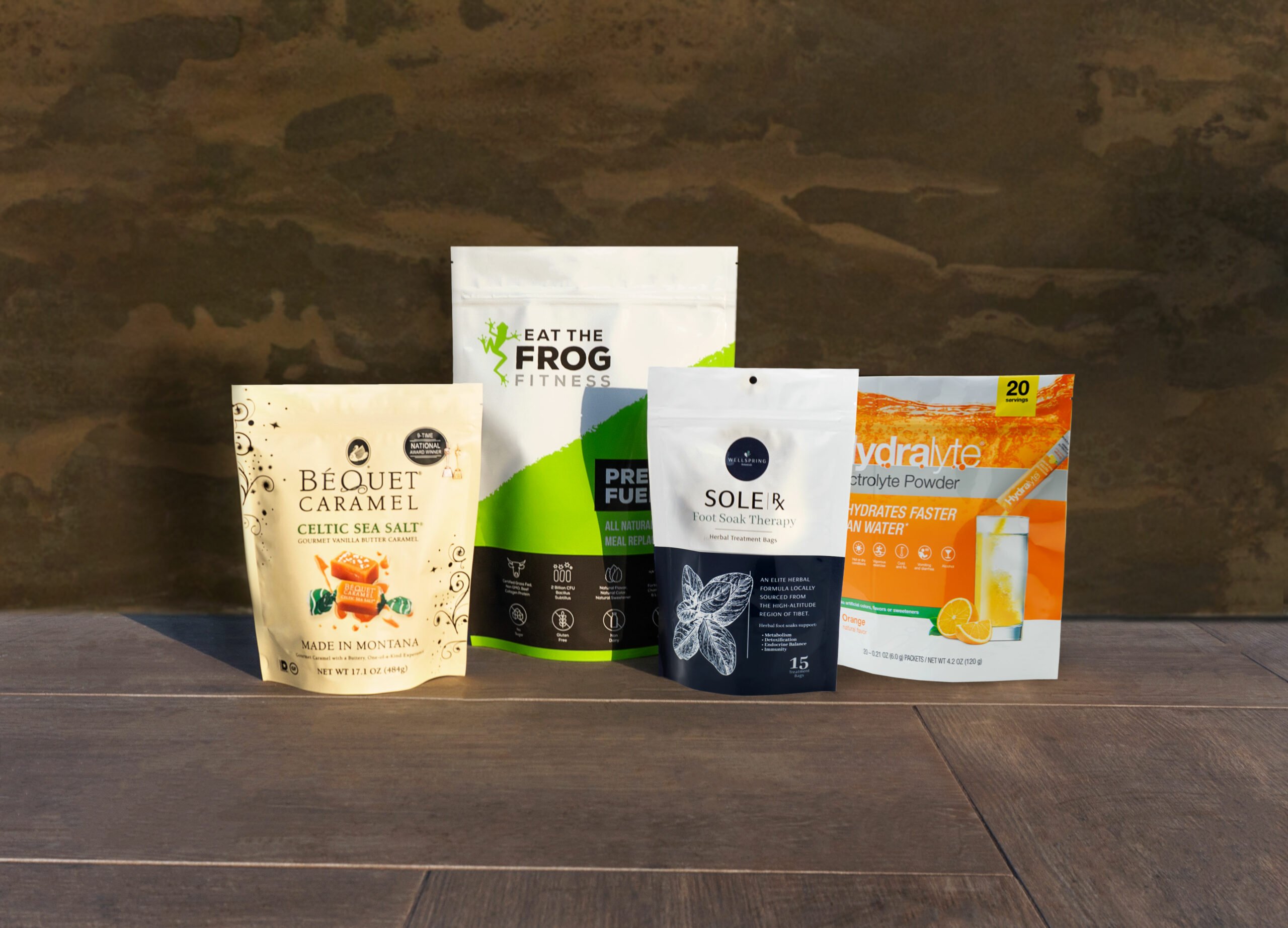
In this article, we will guide you on the 12 essential bag manufacturer questions to ask about their manufacturing process and technologies before buying. With the answers to these bag manufacturer questions, you will determine if a bag maker can give you a good deal or not. You'll also learn a little more about their packaging technologies and solutions. If you're interested in learning about mistakes to avoid when designing your own packaging, check out our article here where we round up the top 10 mistakes companies make when creating packaging dielines.
Here are the questions you should ask you flexible packaging supplier or flexible packaging company today.
Q: What Minimum Order Quantity Can I Place for Packaging?
At Carepac, we give our customers two choices for the minimum quantity orders they can place. If you are ordering digital printed bags, we allow a minimum order of as few as 100 pieces. (yes 100 printed bags!)
In addition, when ordering the plate printed bags, the least number you can order is 5,000. If you want to know how much your order will cost you, we have an Quick Quote to give you your price.
Q: Can You Fully Customize? Are You Flexible?
Unlike most of our competitors, who do not allow a fully customized bag, we will let you choose your unique design to suit your taste and budget. When you pick from set sizes, you may pay more for features you do not need, making your bags more costly in the end. Whether you're looking for flexible beverage packaging, sustainable food packaging, flexible food packaging, flexible plastic packaging, or flexible cosmetic packaging, this is important.
At Carepac, we understand your products may be unique, needing unique packing, or you may have a special request from a client to package for them in a particular way. That is why we allow you to choose your design, and then we customize your bags.
Q: Are Your Bag Making Raw Materials and Practices Approved?
Carepac uses only FDA-approved materials.
Q: How Many Bags Do I Need to Buy to Get to XX Price Per Unit?
Do you have a specific amount to spend on bags? Are you thinking about the cost of your bags per unit? Whatever you have in mind regarding the cost of your order, we have a solution for you. Using the Carepac Instant Online Calculator, you will know the estimated cost of your order or your price per unit.
Q: Does Your Company Offer Help With Design Services? If So, May I Ask the Fee?
Carepac does not charge a consultation fee for your art. We offer free consultation and art setup support for our customers.
Q: How Soon Can I Have The Bags in Hand from the Provider?
When placing your order, you can choose if you want the bags done in 15 or more working days, depending on the urgency of your order. However, this may not be inclusive of the shipping time, which may depend on your location and the shipping company.
Q: What does Production Time Include?
Production time includes the time we take to complete making your bags. The time it takes for the order to leave our premises and get to your door is not included.
This is because we may not control the shipment of your order since that largely depends on the efficiency of the shipping company. As you order your bags, we advise you to factor in freight time so that you do not run out of supplies awaiting the bags to arrive.
Q: Can I Talk to Your Representative about My Order? Is All Communication Through Email only?
Carepac understands your design is important to you and that you want it done right. We, therefore, offer free consultation so that you can explain what you want to our designers.
Our bags experts are always available to discuss your order to ensure you get your art right. You can call, email, or visit our offices for a free consultation with them.
Q: Do I Need to Have an Art File to Get a Quote from Your Business?
An art file may help us to give you a more accurate quote. However, even without an art file, you can get a free estimate using our quick online calculator.
Q: What Type of Format Should My Pouches Design Be in?
Industry best practices demand the use of Adobe Illustrator for the best results. You may use other formats like Inkscape, Photoshop, EPS, SVG, and Canva, but they do not give the best results.
We also advise you to use vector files do not lose configuration when enlarged or minimized. They produce uniform results on big and small pieces. Here are some of the design mistakes you should avoid.
What kind of bags do you need to package your products? Maybe you already know, or you are not yet sure. Get in touch with CarePac bag experts for a free consultation on your bag design art.
We will also give you free art setup support to help you get it right. You can also visit our website to calculate your unit price or the estimated cost of your order. We offer pocket-friendly rates while upholding high qualities for all our orders. Besides, we offer low minimum orders, unmatched customer services and a 5% price match guarantee. If your business is especially bootstrapped, we've compiled tips for how to reduce packaging costs here.

What does “getting the colors right” really mean when you design packaging? You know from experience that it means not only getting it right on the screen but when printed, not only when printed once but every time, and not only by one printer but all your suppliers wherever they are located. Whether used on a logo, package, or instruction brochure, the right color is essential to the brand because “brand” means continuity, consistency, and quality. At CarePac, we use the Pantone Color system to get your bags done right.
For all our personal familiarity with color, of course—its emotional meaning to us, its stimulative qualities, and its evocation of memories—we all perceive colors slightly differently. Most often it is not the basic colors but the huge variations in shades that drive those disagreements, even arguments, about what color we are seeing. There are now thousands of colors available to use in creating packaging, so there is plenty of room for diverging perceptions.
So the challenge of getting the colors right is not when we are standing beside someone and looking at a swatch, but, instead, conveying that precise color to multiple printers, often in different countries, sometimes in different languages. And doing so over decades of changes in our suppliers.
These are the kind of challenges that gave rise to the Pantone color sets and the systems for using them in any possible context. Pantone identifies thousands of colors, in different sets for different applications, by letters and numbers to create a unique tag for every color.
These different color sets specify and communicate color across different industries. For example, the Pantone Plus Series is based on graphic/printing ink and for half-a-century has constituted the Pantone Matching System (PMS). Each of the colors is specified with numbers and a suffix (for example, “C” or “U” to specify if the color is printed on coated or uncoated paper). Depending upon the paper, a Pantone color can look quite different when printed. The number and the suffix get the color right.
The only exception to this number-and-suffix system are the 18 Pantone Basic Colors (base inks) used to mix the rest of the colors. The basic colors have names such as Pantone Yellow. Another Pantone color system well worth mentioning is the Fashion Home + Interior Guides (FHI). The system is based on specifying textiles: paper (TPG) or cotton (TCX). Again, depending upon the material you are working with, you would choose the guide on which you want to visually see the color.
Thus, when you work with multiple materials and naturally want to achieve precisely the right color in final production, the pantone number makes possible complete satisfaction with the results. The reason is that the Pantone physical color reference guides, and also the Pantone digital tools for searches and matching, let you see before the printing and manufacturing process begins precisely the color you will get—and convey your choice unmistakably to everyone in the production process.
Using different suppliers to produce your packaging and other brand materials inevitable entails some variations in the equipment and processes that will be involved. That means that the resulting color can be considerably different from supplier to supplier. The Pantone system of color tools—physical, digital, and cloud-based—enables you to specify unambiguously a single desired outcome for all those involved. The number given to any color tells the same story in every language, every culture.
Of course, if you can assign your production to a single supplier and use that supplier repeatedly, the process of communication and the opportunities for inconsistent results are greatly reduced. But for most companies the printing of a logo, packaging, and other brand-related materials must be repeated constantly. And as the company grows and production runs become larger and larger—and perhaps are most efficiently done in other countries—the color problem arises, again. Color measurement and evaluation tools from Pantone and its parent company, X-Rite, make it possible to achieve consistent color from run to run, no matter when or where it is produced. Pantone’s color measurement and evaluation tools mean precision and consistency in your color run after run in any location.
It is highly likely that your design process, today, is in large measure digital whether you are creating real-world or online designs. That means, you want to preserve color accuracy and consistency in moving between digital and physical environments. Pantone has the tools you need to move easily and confidently between those two worlds—to translate a brand’s printed colors into a website design and know how your website designs will look in physical form. Pantone Connect is a new digital platform that gives you immediate access to every Pantone Color in every Pantone Library. The Pantone color sets we discussed—and many more—are there.
Onscreen color is produced by a red-green-blue (RGB) system, mixing those primary colors to create others. But when you print from the screen, the resulting colors are produced by CMYK, which is called “four-color process” because it uses Cyan (C), Magenta (M), Yellow (Y) and Black (K). The problem is that RGB and CMYK colors do not precisely match. Pantone has all the tools you need to make the translation again and again to achieve the same results in both environments.
At Carepac, we use the Pantone color systems and tools in designing our bags for the spectrum of companies that seek excellent, consistent, distinctive packaging for their products.
Your next step in getting the color for your packaging every time is to reached out to the Carepac team of bag experts for all the support you need on art design. There is a Carepac bag for virtually any product you want to package efficiently, imaginatively, and for optimal marketing impact and sales. We are ready to discuss your individual needs at every step of the package planning, design, and production process.
Be sure to check back here for the latest information, insights, and updates.
Meanwhile, don’t be a stranger. Follow us any day on Twitter for new ideas, offers, and advice on getting your product in the right package.

Unquestionably, China sourcing looms large for American importers. Even if we didn't know the numbers, we can see that sourcing truth every time we shop. In fact, about one-fifth of U.S. imports are sourced in China, although it is true that several categories loom very large (electrical and other machinery, furniture, outdoor equipment, and plastic parts).
Walmart, of course, is everyone's iconic example of a great U.S. business empire built on sourcing Chinese imports (more than three-quarters of Walmart goods) because Walmart is about volume and price—and price is the usual allure for "going to China."
But the "price" an American firm pays for sourcing goods made in China can be far less important than the "costs"— fully and honestly calculated. Those costs are not as easy to ascertain as a price on a sticker, but Carepac attaches real importance to calculating it. And one consequence is that at Carepac, today, we emphasize in-house production in all phases of packaging design, planning, and production.
Here is a look at why we do that.
Many buyers new to packaging approach it as a kind of afterthought—something you worry about when your product is "ready." Because innovative, distinctive packaging is our business, we know that the right packaging can make the difference in preserving quality, in packing and transportation costs, and, above all, the crucial point-of-sale impact of your product. Packaging is about your brand and the impression it makes not once but every time.

Granted the benefits of "going to China" for some companies of a given size, doing a given volume of business in certain product lines, you also must face the true costs-monetary and otherwise. From Regulatory problems, working condition, to post sales follow-up and support with ensuring your bags are done right, buying from china has several hidden costs.

For example, even after you locate and vet a supplier in China, there is a lead-time of 8-12 weeks (in ordinary times") between placing an order and receiving your goods if you decide to go with China sourcing. Today, though, given delays at U.S. and international ports of entry, shipping time may add 45 days, or, in the worst case, as much as 75 days. We can hope that this situation clears up, in due course, but given the long-term politics of U.S. - China relations, another crisis cannot be ruled out.

Many Chinese are ardent businessmen, who work to accommodate their buyers, but a significant language barrier remains. You will not only deal with the sales representative who takes your order (and gives you that "price" you love) but, as questions arise about shipping, insurance, production, costs and billing, and, yes, packaging, communication becomes, as we know, the key to efficiency, quality, and a good supplier-buyer relationship. All this depends upon coping not once but over and over again with the challenge of communication.
This article is not about Walmart, of course, but in a sense Walmart's success actually reinforces this point. Walmart built a vast infrastructure and staffing in China on its road to success, and, of course, now has Walmart stores all over China. That is a solution to the communication problem that most of us do not enjoy.

We all know about those times when a question must be answered right now - or a change in instructions must be communicated as soon as feasible. U.S. buyers are not in the same time zone as China, of course, so work hours do not automatically overlap—not even close. Do you have someone you can reach at your China supplier any time during your workday?

In addition to these supposed non-monetary costs, there are costs that may be hidden from the new potential buyer who is getting a rate from a Chinese supplier. For example, tariff costs of importing your goods—tariffs (typically a flat fee) substantially increased during the Trump administration—can approach one-third of their value (averaging 29% of your total cost) Obviously, this must be taken into account in any projection of your actual costs and money spent.
If you buy $10,000 worth of bags in China you will pay a rate of at least $2,900 in duties and tariffs.
A related cost that always is involved in sourcing from abroad is shipping. Depending upon volume and weight of what you purchase in China, these costs become significant because they are repeated perhaps many times a year.

When your bags are delivered from an agency in China (which is likely the first time you see the actual product), what if they are defective? Say, the printing is misaligned or blurred your bags don't close well? Are you sure that you have adequate recourse with your Chinese supplier, even given that you are willing to wait through the new lead time and shipping lag?
These are just some considerations that over the years have caused Carepac to put a high premium on in-house production, where we have optimal control over design, materials, manufacturing machinery and processes, quality control, and overall production scheduling to meet deadlines.

Your first step in discovering what the Carepac process can mean to you is to visit our website for an instant quote. Then, talk to our team of packaging experts about how Carepac can manage your packaging needs from design to manufacturing to quality control to shipping. We will discuss the real costs to you and how we guarantee quality and satisfaction.
Be sure to check back here regularly for information, insights, and updates and a wealth of information about creating packaging the protects your product, keeps your price down, and impresses your customer at point of sale.
And join us any day on Twitter for new offers and new insights into what packaging can mean to your business.

In the start-up phase of your business, figuring out your packaging inventory management is tough. There are plenty of formulas for calculating packaging inventory, plenty of rules about weeding out stale inventory, but using those inventory management formulas depends upon experience--a track record. And a track record, especially with warehouse operations and inventory tracking, is what your start-up does not have, as yet. And, if you are like most starting businesses, there is too much to do with too little money, so you don't want to solve the inventory problem by "being on the safe side" (that is, overstocking raw material).
These are a few of the basic often cited for getting a handle on inventory:
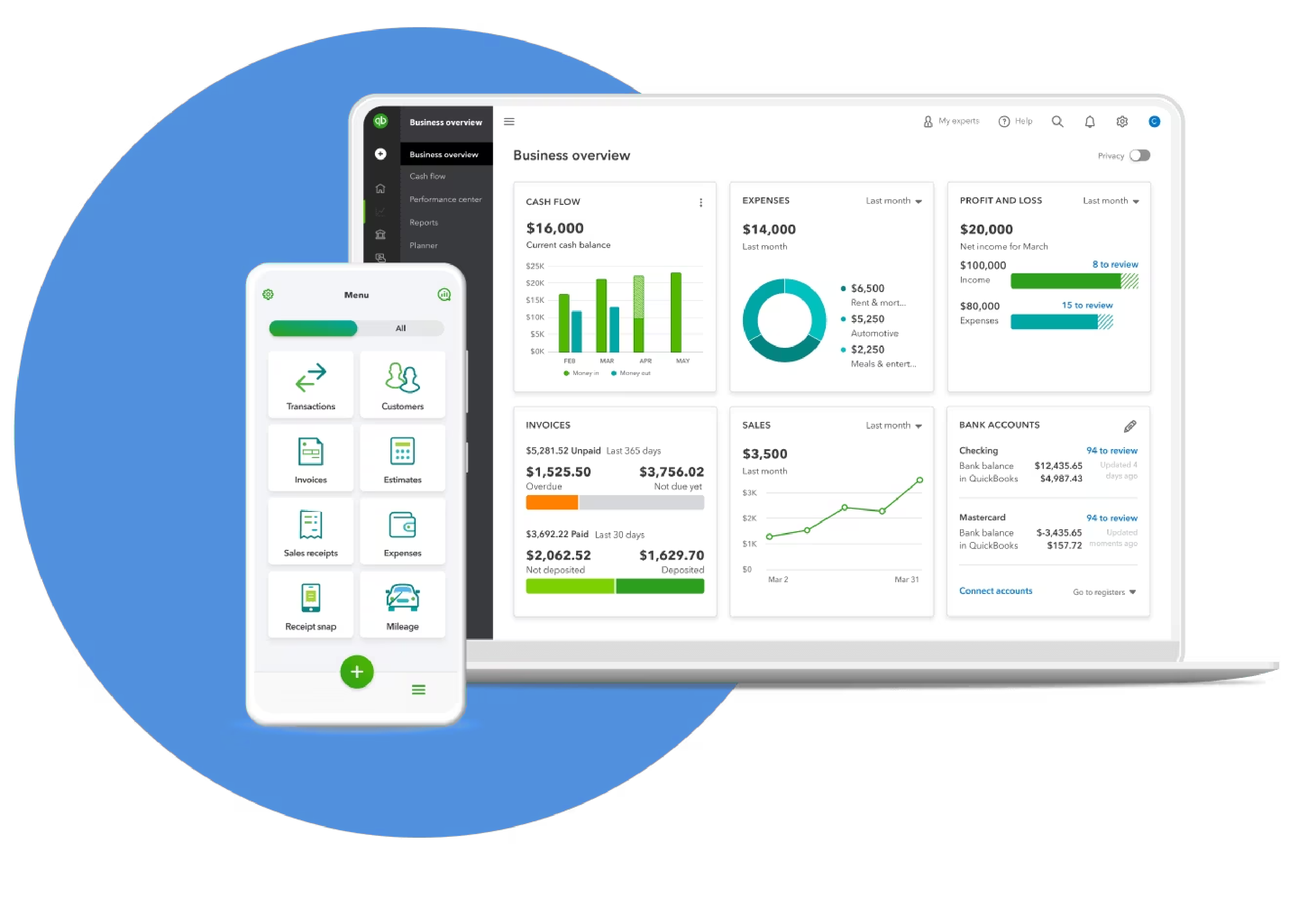
Use an inventory-tracking system with software suitable to the size of your business. One of the best-known management systems is QuickBooks, but there are many others. Your accountant can give you a hand here. There are inventory systems designed for small businesses. You and others in the company should become expert in using whatever system you choose.

You will want to fine-tune your forecasting once you have a track record. This way you never have too many corrugated boxes, and your vendors aren't sending you an oversupply of products.
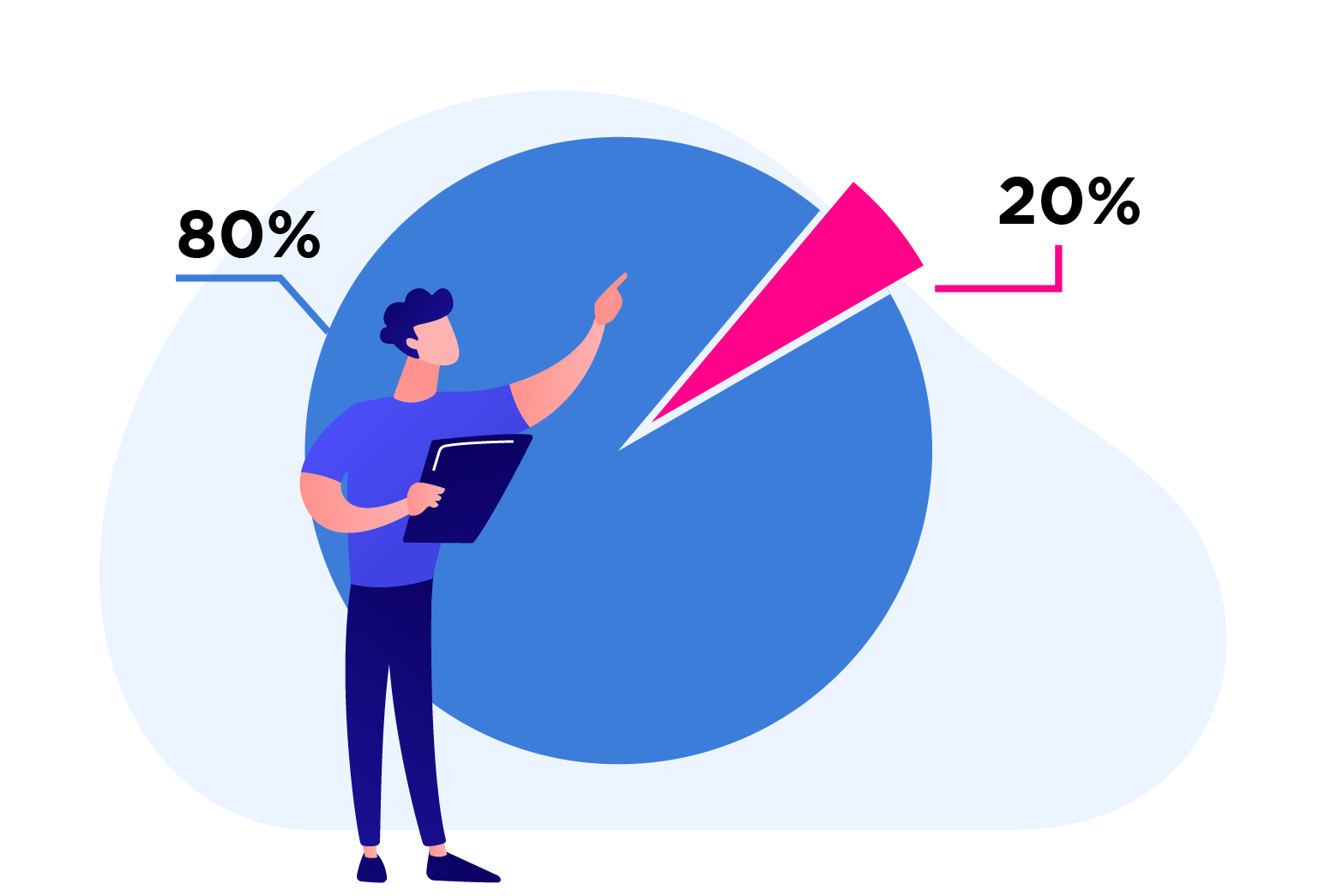
There are standard measures such as "identify low-turnover stock." The so-called Pareto principle says that about 80 percent of your sales will come from 20 percent of your sales items. That is something you can learn, and use, when you have more experience.

Today, you can quite easily track your stock in real-time with software that registers incoming inventory and sales. When this system is providing the required feedback, you can make orders for resupply automatic when inventory sells down to a certain point.

Slashing supplier lead-time, as we discuss, means that you can purchase new inventory closer to the time that you actually need it. But be sure that your supplier can deliver according to the promised schedule.
But keep in mind that whatever handle you get on ordinary inventory needs, the arrival of the holiday season probably demands a different plan and different calculations. Many businesses do a surprisingly large percentage of their entire annual business in the weeks around the holidays. To be caught short of inventory then presents a double dilemma. You can't sell what you don't have and your suppliers are under pressure during the holiday season just as you are.
At Carepac, where our business is designing and manufacturing bags, we see new firms struggling with these problems all the time. If your product requires packaging—then, no packaging, no sales. What is more, designing the right package not only protects the quality of your product (freshness, protection from moisture); the right package is pivotal to good marketing and especially the "point of sale" appeal of your product.
As a start-up, simply do your best at budgeting and forecasting, but you can do it better with help from your accounting, marketing, and sales colleagues. Given your financial expectations for the first month, six months, and year, how many bags will you have to sell? Your business may not have a track-record, as yet, but other businesses of similar size with similar products in your market do have experience that you can extrapolate to your situation. There are local organizations such as your Chamber of Commerce and literally hundreds of online groups where small businesses of every kind, in every field, regularly exchange information and hash out problems they all face together.
Also, your salesmen and advertising consultants probably have goals. Are they approaching potential buyers for large orders? What do they see as the prospects? And, if you get those accounts, will you face a long lead-time in delivering because your packaging is not ready?
Lead-time also can be significant in other ways. If possible, when ordering your bags or other inventory, you want to avoid a premium charge for rush jobs. Most suppliers, and certainly Carepac, have a backlog to fill in the order received. Make no mistake, the supplier wants your business. At Carepac, we make every effort to accommodate deadlines on orders; but we also want to be fair to our current customers.

Let our highly experienced professionals discuss with you a lead-time for ordering that is neither unnecessarily long nor unrealistically short. We take packaging seriously, of course, as should you, and we advise an early consultation to leave time for innovative design that speaks to meeting your distinctive needs, care in manufacturing and quality control, shipping, and any changes you might want to discuss when you receive your order. We are there at every step in the process and when you get in touch, you talk with a real person at any time you wish. We reserve email, online chat, and other avenues of communication for more routine matters.
The consultation is free, the online price estimate is free, and we are ready to talk whenever you are ready. The challenge of supply chains and controlling inventory for the lowest cost and greatest sales effectiveness never changes—but how you choose to deal with the challenge certainly can change. We want to discuss how we can help in your own stage of business development from start-up to maximal growth.
Your first step is to reach out to Carepac for a wealth of information on every aspect of packaging, for your free estimate, and for consultation with our specialists on all phases of producing the right packaging for your product—and getting it to you when you need it.
And be sure to check back here regularly for information, insights, and updates on these and many more issues.
For a quick daily "hello" and update, follow us on Twitter for new offers, reports on new developments in the field, and tip about conditions affecting the challenges we both face.
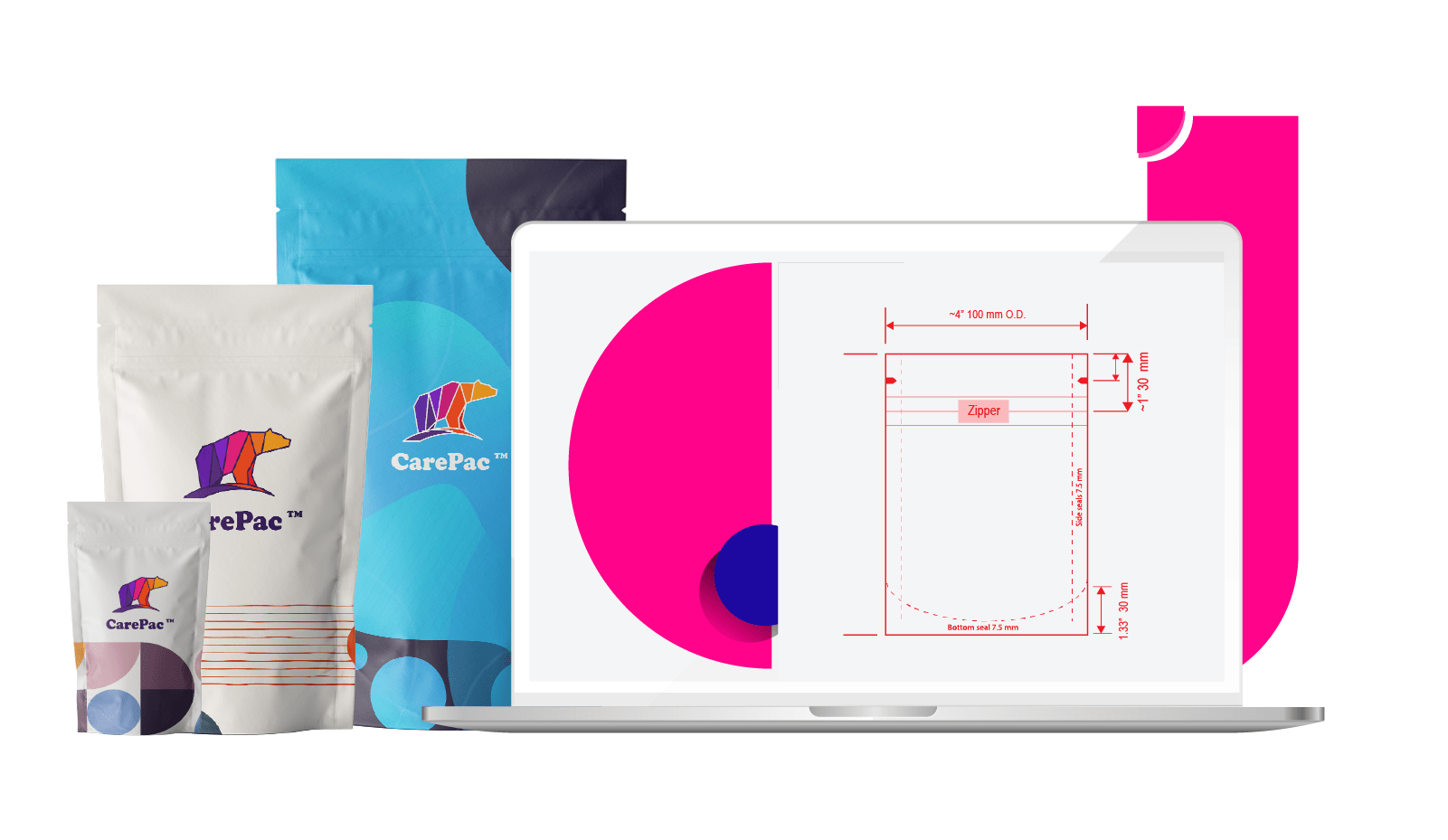
When designing a packaging dieline, there are a lot of factors to consider. Issues with sizing, spacing, color fidelity, and regulatory compliance all play a part in your dieline packaging design process. We often see the same set of packaging design mistakes and want you to avoid those in your next project. Those custom dieline mistakes can be divided into issues with your art setup and issues with your proofing.
Getting your images and your packaging art just right is both an art and a science. Here are the top five issues we see with art setup during custom dieline creation.

When professionally printing packaging elements you need everything you design to be in Adobe Illustrator (AI). Adobe Illustrator is the industry gold standard for artwork. Other paid and free solutions such as photoshop, Inkscape, BoxySVG, and other document file formats such as PSD, EPS and SVG are perfectly suitable, but in order to adhere to industry best practices and standards for artwork design, AI is the preferable program. One of the main reasons for using AI is that original art developed in AI is natively vectorized.
Vector art or "vectorized art" is art that is created based on mathematical formulas for the exact size of the cut lines (don't worry no math is required to make vectorized art!) Vectors never loses resolution no matter what level you zoom in because a vector is not a picture. There is no pixilation with a vector. Logos must be a vector. So do any words printed on the packaging, especially nutrition information.
Digital photography does not produce a vector. It takes in light through the camera's lens and converts it into a digital file. That file, however, becomes pixelated when you zoom in. This is incredibly important to consider for your finished packaging.
Here is an example of a vectorized design when viewed in the designs "outlines" mode.
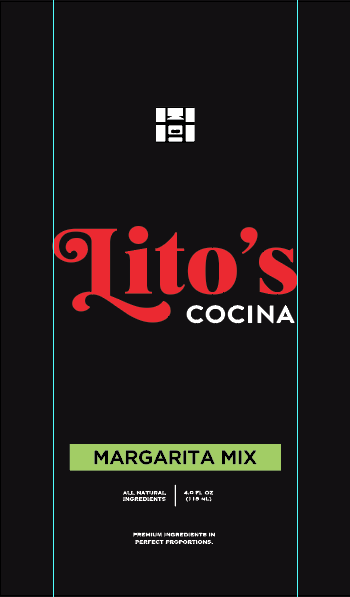
Vectorized Art Work as a finished
product with color
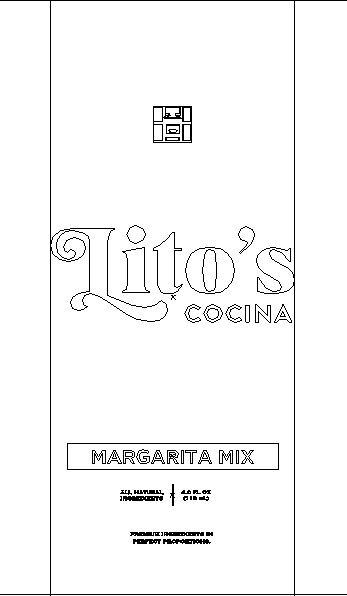
Outlines preview showing that the art is made of lines and curves
A good rule of thumb? Make sure that everything that is not an image on your packaging designs is a vector.
This makes it easy to create a PDF ahead of production.
In order to maintain compliance with governmental regulations, the nutrition information you enter or send cannot pixelate should you adjust the dieline's size. Barcodes, which must be scannable on your finished product, are especially susceptible to pixilation. Make sure that you design your dieline's barcode as a vector rather than a picture.

QR Code that is not vectorized

A vectorized QR code

Zoomed in on QR code shows pixilation

Even when zoomed no pixilation occurs
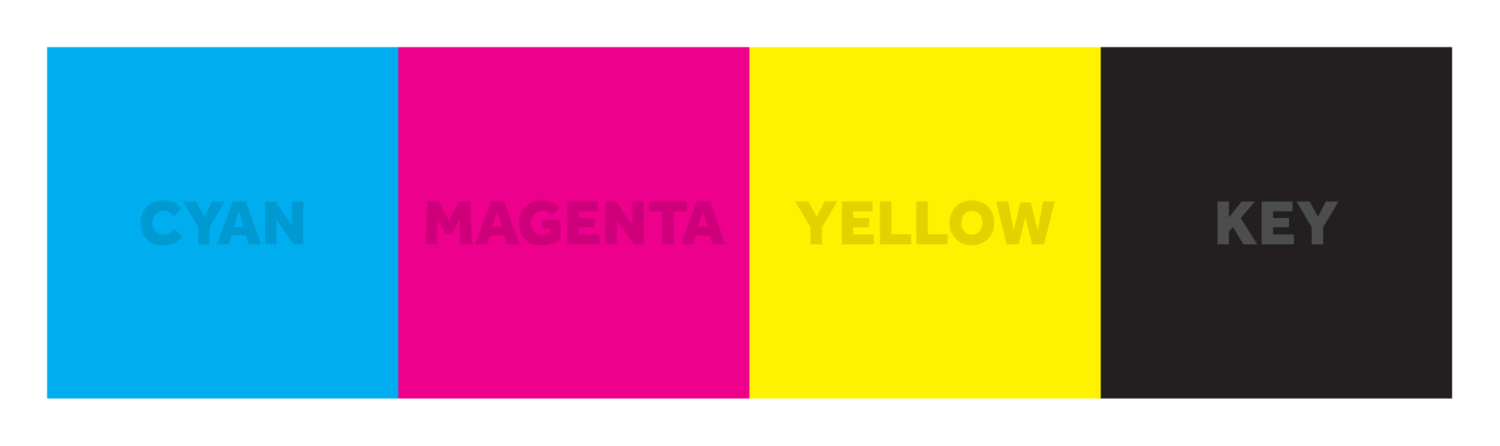
CMYK stands for "Cyan, Magenta, Yellow, Black," and it represents the four basic colors used when printing graphics, images, and other media. Pantone, on the other hand, is a color matching system. Pantone includes a comprehensive set of ink pigments called "color bars" which resemble paint samples from the hardware store.
CMYK takes those four color choices and blends them together in a subtractive process in order to make all the colors of the rainbow. The drawback is that every printer has slightly different output. The resulting color is a function of the blending process rather than an industry-wide standard.
Your finished document will most likely be on some blend of plastic packaging, not on printed paper. Things don't always translate correctly, especially if you are using CMYK. This is where Pantone truly shines. Each color bar in the Pantone collection includes the exact formulation for that pigment. Any element on your dieline that is not a digital photo should be rendered in Pantone coloring rather than CMYK for the sake of continuity.
Not everything can be a vector. Sometimes your packaging calls for the use of a digital picture. Make sure you use the correct print resolution to prevent your included photos from pixilation. 300 DPI is the minimum choice for high resolution prints. 300 DPI resolution includes 90,000 dots per square inch which can help stave off pixilation should your finished packaging require you to zoom in. Preferably you want the highest DPI / PPI possible, 600, 800 or more.
Normally when you use images rather than vectors to create your own dielines, they are embedded directly into the dieline products. You can also choose to link those images to a specific file or folder. When the packaging dieline renders in AI for production, it draws the image from another source. One problem we see routinely is that people forget to properly link the image. If you choose not to embed an image on your package, make sure you've done your diligence.
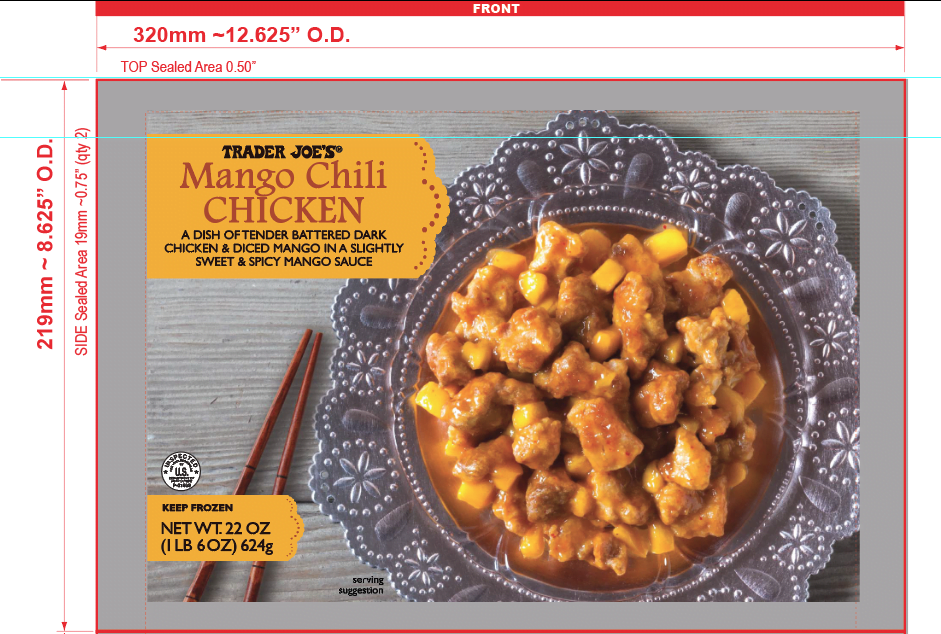
Creating graphical elements is only the first step in the design process. Every dieline requires thorough proofing before it is finalized. Here are the five most common mistakes we see with the proofing phase.
One of the most commonly overlooked processes is proofreading the text on your bag. Small errors in spelling can result in huge errors in customer understanding, but beyond that, a seemingly innocuous mistake could throw your packaging out of compliance with governmental regulations.
It begins with ensuring that the size of your products packaging is adequate and unaltered after adjustments in your design software. Too many industry professionals forget to make sure that the overall bag dimensions fit the product they're intended for. One sure fire test you can use is to measure your dieline against a competitor's product to ensure it fits.
Fonts can be tricky things. They are dependent on files in order to display correctly. Different devices render the same font differently depending on the file packs that are installed. Outlining is a way to ensure continuity between displays. By outlining your fonts, which is a relatively simple process via AI's editing software, you convert the font into art, much the same as a vector. That way image fidelity is maintained no matter what workspace you are using. See our how-to on outlining text.
We've mentioned it before, but compliance is an important part of the dieline process. Far too many people fail to check that the barcode they've included serves its intended function. Rather than interacting with the merchant's POS system, a barcode that hasn't been properly vetted may spit back gibberish.
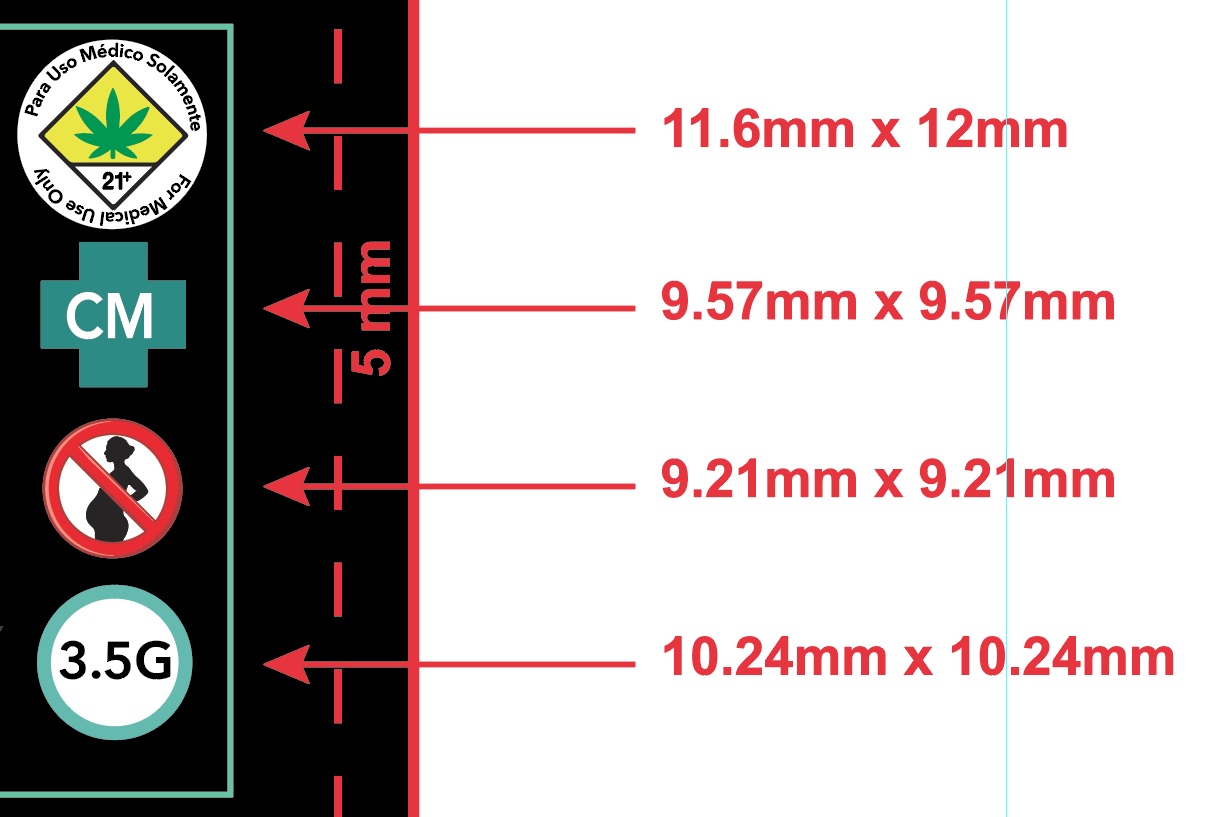
In the same vein, there is a virtual cavalcade of regulations from entities like the FDA and the USDA which impact the icons and images on your finished packaging. When proofing, make sure to take the necessary time to ensure that your packing meets all regulatory compliance.
Along the same lines as sizing and spacing, make sure you don't place visual elements like logos, verbiage, and graphics jammed into the edges of your bag. Not only does it make the packing incredibly difficult to read, it may also violate the above-stated compliance issue.
Graphical design is as much an art form as it is an exact science. There are dozens of exact specifications that need to be met in terms of color, spacing, typeset, and overall resolution. With so many variables to keep track of, it is all too easy to make a mistake.
The dieline design tips and specific dieline requirements listed above are in on way comprehensive, but they are a good starting point to make sure that your finished dieline truly shines.
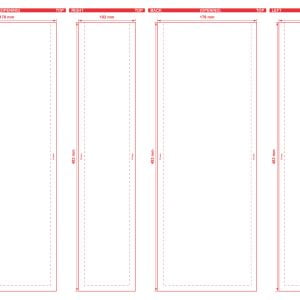
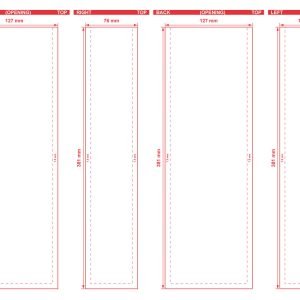
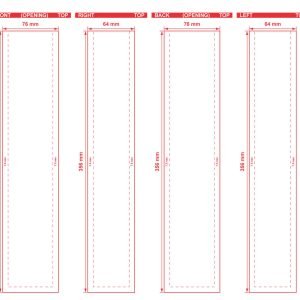
As the legal use of cannabis becomes rampant in different US states, child safety concerns are rising, forcing businesses to keep in step with safety meexistasures put in place by the authorities.
Packaging companies have also gone out of their way to create safer pouches to prevent child access to cannabis content.
The American Society for Testing and Materials describes a child-resistant bag as one that makes it hard for children below 5 to open or access its contents within a specified timeframe.
Child-resistant stand-up pouches are categorized into single-use and re-closable variants. single-use child resistant pouches are only child resistant until they are opened by the consumer. while the re-closable can be re-closed by the consumer and retain their child resistance.
In this article, we will compare re-closeable and single-use stand-up pouches to help you choose which one is fit for you.
Re-closable pouches are also loosely called Lifetime Child Resistant Pouches because they can be used multiple times and retain the same level of safety they had before they were opened. The idea behind “Lifetime” is that the pouch will remain child resistant during the “lifetime” of the consumption of the product inside the pouch.
So for example, if a pouch containers 4 servings of cannabis edibles the “lifetime” of the pouch is being opened and closed 4 times. A child below 5 cannot multitask. Manufacturers of re-closable bags use this knowledge to create pouches that a child finds hard to open before they get tired and give up. Lifetime pouches typically have a two-step opening process.
Push and turn, a two-piece molding with the benefit of providing the child with false interactivity is one of the three most common child-resistant mechanisms.
Secondly, there are squeeze and turn packs, which are typically single-piece moldings, and are very common in homes. Finally, there's the 'line up the arrows' closing method where two fixed points on the package and the closure must be matched to open the pouch.
Sophisticated lifetime bags such as the pharmacy zipper bags only open with two hands. They are easy for adults, including those weakened by medical conditions to open but a child has a very hard time trying to open them. The child-guard push-pin zipper bag works by inserting a pin to open the sliding zipper. These pouches have tons of other benefits.
Common single-use pouches are designed to not have an easy open feature, and so require the use of a scissor or knife to open it. They are popular for packaging single servings of drugs including medical cannabis. Blister packs have polymer trays whose opening is sealed to aluminum lidding foil.
A single-use package only maintains the approved standard of child resistance as long as it has not been opened.
To make these packs child-resistant, packaging manufacturers use a two-step opening process and add a paper label that children can't easily peel off.
Typical single-use pouches include sample packs, fold-overs, stand-up, and pillow pouches. While they are not built to maintain their child resistance after opening, they do provide a single use child resistance and they still offer all the great barrier properties needed to keep the contents at optimal freshness until the pack is opened.
There's been growing concern over the contribution of single-use packs in filling landfills and pollution. In this case, your company has to emphasize the need to dispose of the pack safely after use.
Some Child Resistant Exit Bags used by dispensaries for cannabis are made from a combination of child psychology and modern technology. These pouches only open when an adult inserts their fingers under the flaps to access the closing. The closing opens with upward and rolling movements.
This opening method is incomprehensible to children under five. When a child uses this pouch, they still pull at the flaps and expect it to open which does not work.
These pouches are also odor-proof, bar UV light from interfering with content quality, and are moisture-resistant. They are perfect for storing powder and granules too.
Why are they called Exit Bags? In most states cannabis regulation is a subset of the state’s liquor control laws. Often the same agency that regulates the sale of alcohol also regulates cannabis. Many states require that any product sold by a dispensary be placed in Child Resistant outer packaging before it leaves the dispensary, also called “Exit Packaging.”
Cannabis brands love flexible barrier packaging for child-resistant exit bags because in addition to the child resistant properties the flexible barrier pouches preserve the product's scent and structure. They also make an ideal storage choice because they are flexible, lightweight, include recyclable structural materials, safety features, and preserve the environment.
The key reason to invest in customized child-resistant pouches it to beat the competition! Sell more cannabis, and improve your brand’s appearance to the consumer. Now more than ever it is hard to stand out on the dispensary shelf, or keep your brand fresh in the customer’s mind after their purchase. Amazing custom packaging helps
While the market is teeming with different stand-up pouches, there's always a chance that you'd like a combination of some of the features, want an addition or removal of some of them.
Additionally, you may have changed or added a new target market.
More importantly, the face of the pack has to appeal to your new demographic. This may call for a change in material or color combos.
Additionally, your customers may ask for a child guard that's not too hard for an adult but is difficult for children over the age of five. You may also need differently shaped spouts to prevent the likelihood of liquid squirts when pouring.
People respond better to advertising campaigns that address their safety concerns. This goes further than just children's safety. When medicine is kept in poor conditions, it loses its potency. It all depends on what you're packing and the concerns that people have about the product.
At Carepac, we understand that packaging either attracts customers or throws them off. We have tons of attractive packaging options to suit your needs. Contact us to get the right packaging for all your needs.

More than 70% of customer purchasing decisions are made at the shelf because the packaging is what a customer first sees when shopping. As brands move towards eco-friendly solutions, they are bound to attract more customers since 70% of customers say they would not mind paying more for sustainable packaging. Therefore, it is imperative to consider making a shift towards a more environmentally-friendly solution, and here are the ten tips you should consider when making your decision.
Since the package is what the customers see first, it helps to convey the brand's message. Having a package that offers lots of printable space facilitates this because the manufacturer can label the product and still be left with enough room to list the attributes that differentiate it from competitors. Square bottom pouches come in handy in such instances because they are fully printable on the front, back, bottom and sides. Custom eco-friendly poly mailers are also great options, as they are strong enough to hold up in the mail, won't take up unnecessary space in landfills and can be custom printed with the company's branding.
The essence of making packaging eco-friendly is to reduce the impact on the environment, and recycling is among the best ways to do so. Kraft paper, derived from the German word "Kraft," is recyclable and compostable. Alternatively, PET plastic provides an excellent barrier in preserving the freshness of food products and other consumables. However, before settling on using recyclable materials, ensure that the packaged products are a good fit. Recyclable plastic bags are ideal when packing, nuts and seeds, crackers and chips, pasta, and dried food. Recyclable bag materials lack the strength of other materials, and are not often a good choice for products that can transfer a lot of load to the bag, causing it to burst.
You have to dream big even if you are only a startup. One significant way to grow more quickly is by partnering with leading retailers. Walmart released a Sustainable Packaging Playbook to help companies improve their packaging methods. One of the nine metrics they consider for their eco-friendly packages is the recycled content. Amazon, on the other hand, wants packaging that is frustration-free and eco-friendly. If you can adhere to the guidelines that such leading retailers are looking for, your eco-friendly packaged products will boost your startup in no time.
The packaging material should be strong enough not to tear at the slightest tension. Tensile strength ensures it can resist a direct pull which is very instrumental in child food packaging. You have to be sure that the little angels do not ingest dangerous items by making it hard for them to access the contents. The tearing resistance, puncture resistance, impact strength, and bursting strength should also be very high to prevent spillage of contents during transportation.
There is a reason why the current generation is referred to as the "microwave generation." Our hectic lives have seen us look for more convenience; therefore, customers want food products they can throw in the microwave and consume. Time for washing dishes is no longer available as we concentrate on climbing the corporate ladder. So if you can make your customers' lives more comfortable by packaging their food in microwave-safe containers, you will be doing them a huge favor, translating to more sales. Plastic has been proven to release BPA and phthalates in food when microwaved; BPA can disrupt the natural hormonal system since it mimics estrogen.
You don't want to lose customers because your packaging has them throwing out food due to a short shelf-life. Times are hard and every dollar saved goes a long way into securing your customer's future. Your packaging should, therefore, not only increase food safety by preventing food contamination, but it should also extend the shelf life. A European Union-funded project, YPACK, discovered that integrating oregano essential oils and zinc oxide enhances bio-papers protection against bacterial contamination, which increases the shelf life of food products.
It is common to read "keep product away from direct sunlight, in a cool, dry place," which is not hard to do, but what about the moisture levels needed to preserve freshness? It is up to you to facilitate a controlled environment through your packaging material. Cannabis users want their stash to hit the right spot every time they open the package. Therefore, humidity control is essential as cannabis should not be stored in an environment above 65% RH lest it risks developing mold. Your packaging should not promote evaporation because then the cannabis will lose its potency, and imagine the damage it can cause, primarily if being used for medicinal purposes.
Eco-friendly packaging material may be recyclable, compostable, or biodegradable, and most people use the terms interchangeably, which is wrong. Biodegradable materials must completely break down, decompose into natural elements and return to nature; some of these materials include corrugated cardboard. On the other hand, compostable materials provide nutrients to the earth thus can be added to compost piles. Since they require special composting conditions, ensure that the packaging materials meet those standards to make decomposing at home attainable.
Eco-friendly packaging should also be cutting edge to make your product competitive. Imagine being able to tell how ripe an avocado is or if the product is expired by just looking at the package. Yet such smart technology can play a critical role in minimizing cases of food poisoning considering that in the US, 48 million get sick and 3,000 die from food borne diseases every year.
The eco-friendly package should also facilitate consumer health by blowing up when the contents have toxic bacterial growth. Since your customers cannot smell the product while it is still packed, it is crucial to have a package that inflates. This is especially useful when handling meat products.
Now that you know the most important factors to consider when choosing your eco-friendly packaging, ensure you have a reliable provider. At CarePac, we provide you with high-quality pouches at affordable rates. With our 5% price match guarantee you’ll always get the best deal. We also have a low minimum order quantity and offer you the best customer service. Contact us today and learn more about our extensive range of pouches available in different materials and with varied features to suit your needs.
Page [tcb_pagination_current_page] of [tcb_pagination_total_pages]
We hope you like the updated look and feel. Be sure to check out our new instant online calculator too

