No products in the cart.

$0.00
Cart


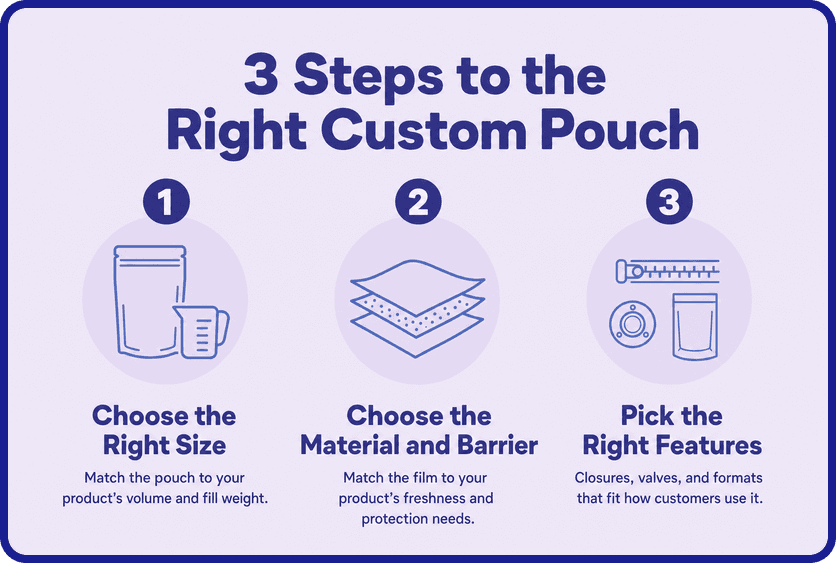
3 Steps to Choosing the Right Stand-Up Pouch
Choosing the right custom pouch configuration is about more than just selecting a size that fits your product. Every successful custom pouch relies on the right combination of dimensions, materials, and functional features working together to protect your product, support your brand, and meet customer expectations. In today's flexible packaging market, factors like barrier protection, closure options, and package format all play a role in keeping products fresh and performing well throughout storage, shipping, and display.
While size is an important consideration, it is only one part of the equation. Understanding how materials and pouch features impact product protection and usability will help you choose a custom pouch configuration that delivers the best results for your specific application.
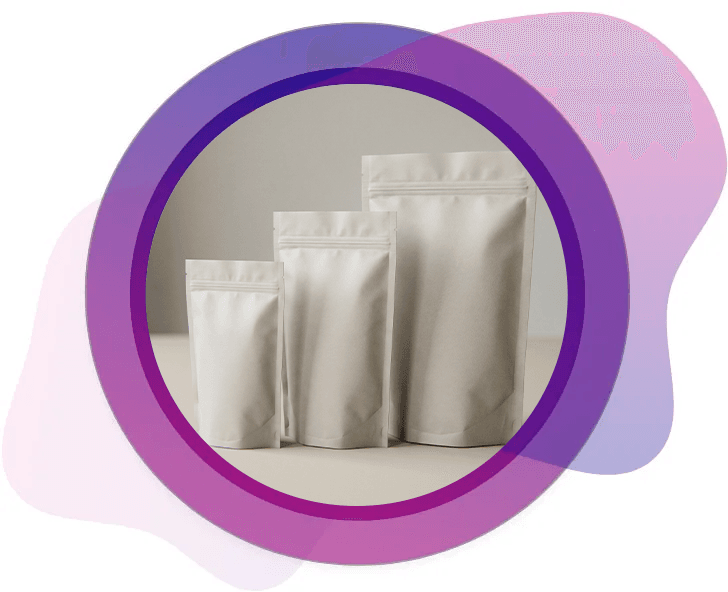
Step 1: Choose the Right Pouch Size
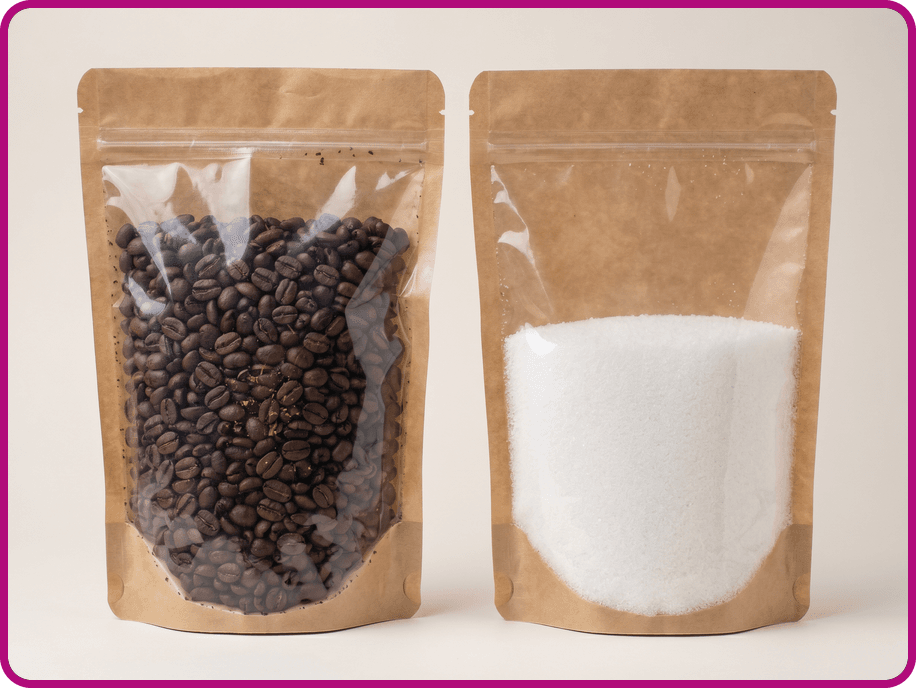
Selecting the right pouch size is one of the most important decisions when building a custom pouch configuration. Many first-time buyers underestimate how much space their product requires, which can lead to costly packaging mistakes. Different products require different size configurations because volume varies significantly based on density and shape. For example, fine-grain salt takes up much less space than whole coffee beans, even when the weight is the same.
We've seen some memorable sizing mishaps over the years. One customer selected a pouch they thought would work for popcorn, only to discover it was sized for unpopped kernels rather than fully popped popcorn. Choosing the correct pouch size from the start can save time, money, and frustration.
Understanding Pouch Size Options
Before selecting a custom-sized pouch, it's important to understand how pouch dimensions are measured.
For stand-up pouches, dimensions are listed in the following order:
Width × Height × Gusset
If a gusset measurement is not included, the package is not a stand-up pouch. Instead, it is likely a flat 2-seal or 3-seal pouch, which does not have the same shelf-standing capabilities.
It's also important to remember that pouch dimensions are measured from the outside of the package. Internal capacity will be slightly smaller because seams take up space within the pouch. Never assume your product will fit based solely on exterior dimensions without testing samples first.
You should also account for any features included in your custom configuration, such as zippers, tear notches, or hang holes. These components occupy space in the package, reducing the usable fill area. The fillable area is the section below the zipper and should always be taken into account when calculating product capacity.
Start by Ordering Samples of Different Sizes
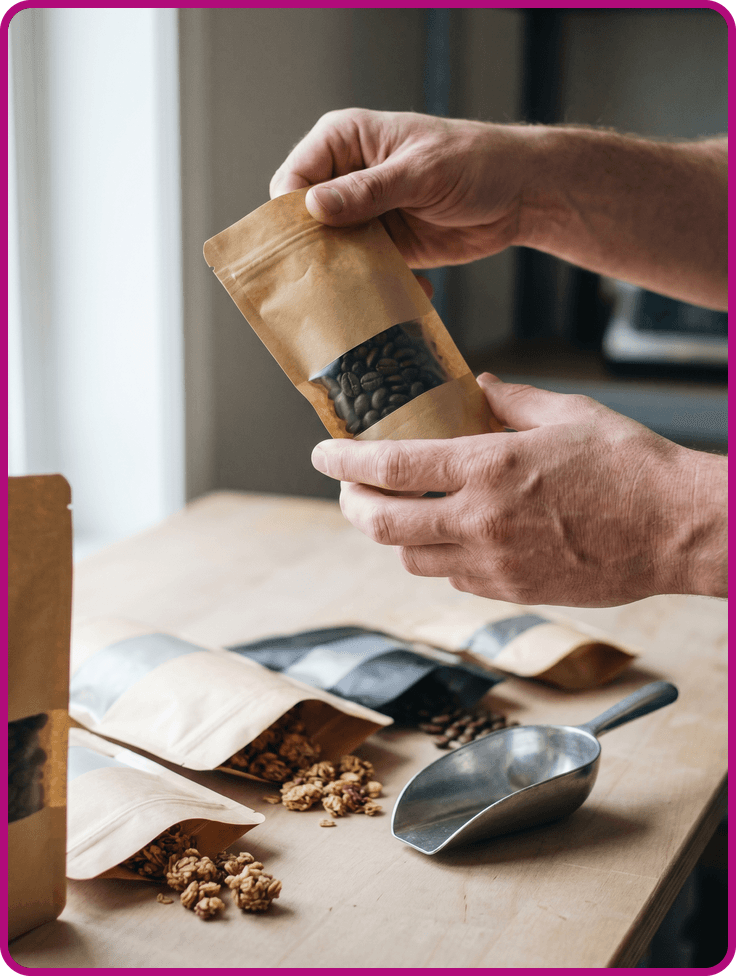
The best way to determine the right size options for your product is to order sample pouches before placing a production order.
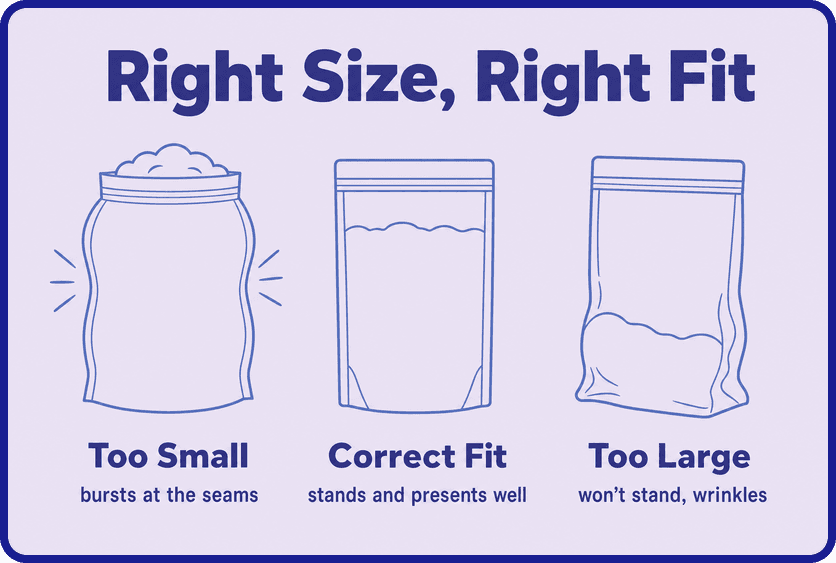
Fill each pouch with the intended amount of product and evaluate its performance. A well-sized pouch leaves enough room for fill weight, sealing, and natural product expansion without wasting material. Overfill a pouch, and it may burst at the seams during transport, storage, or while sitting on a retail shelf. On the other hand, an oversized pouch won't stand properly and may wrinkle, which can negatively impact shelf presentation.
Testing samples also helps you determine whether additional headspace is needed. Certain products release gases or naturally expand over time, making extra room essential. In these situations, you may also want to consider adding a degassing valve to your custom pouch configuration.
What Size Pouch Do I Need?
Now that you understand how pouch dimensions work, the next step is to determine how much product will fit in different pouch sizes.
Capacity can vary considerably depending on the product being packaged. A pouch that comfortably holds coffee beans may not be suitable for snacks, powders, candies, pet treats, cannabis flower, or other products with different densities and shapes. Because of these variations, capacity charts should be used as general guidelines rather than exact measurements.
For example, one ounce (28g) of cannabis flower may require a stand-up pouch measuring 6" × 9" × 3.5", while a quarter ounce (7g) may fit comfortably in a much smaller pouch measuring 3.5" × 4.5".
Before ordering packaging in bulk, test several sample sizes using your actual product. Order samples in multiple sizes until you find the one that works best for your fill weight, product type, and custom packaging requirements. This simple step can help ensure your final custom pouch delivers the appearance, functionality, and performance you're looking for.
Step 2: Choose the Right Pouch Material and Barrier Protection
Once you've selected the right custom pouch size, the next step is choosing the material structure. The pouch materials you choose directly affect freshness, product protection, print quality, appearance, and overall package performance.
Today's flexible packaging market offers a wide range of options, including metalized, foil, clear, silver, kraft, recyclable, compostable, and biodegradable materials. Each material provides a different level of barrier protection, making it important to match the material to your product's specific requirements.
So how do you choose the right material?
Consider the following:
The level of barrier protection you need depends on your product's sensitivity to oxygen and moisture. Products that require long-lasting freshness typically benefit from high-barrier film structures that provide greater protection from environmental exposure. Products with shorter storage requirements may perform well using lower-barrier materials, offering a more economical solution.
Metalized Film vs. Clear Film: Which Barrier Is Right for Your Product?
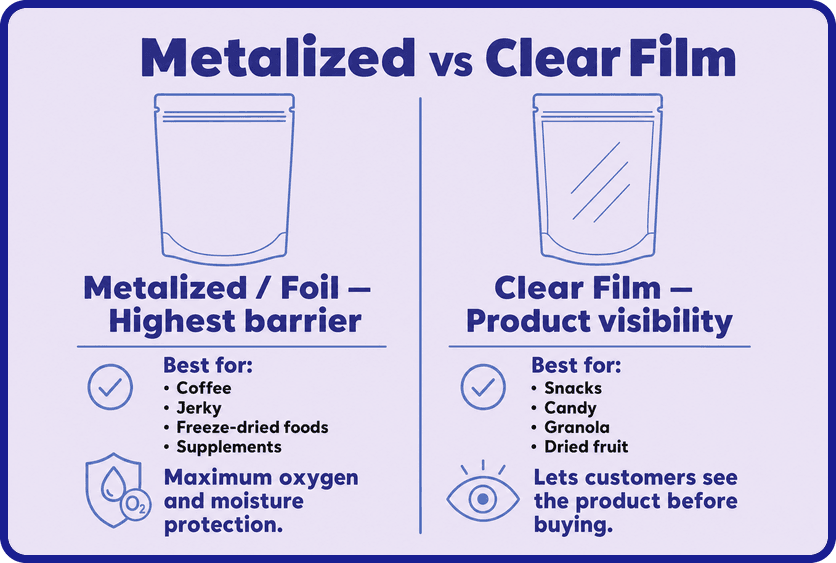
When comparing pouch materials, one of the most important decisions is whether you need a high-barrier metalized structure or a transparent package that showcases the product.
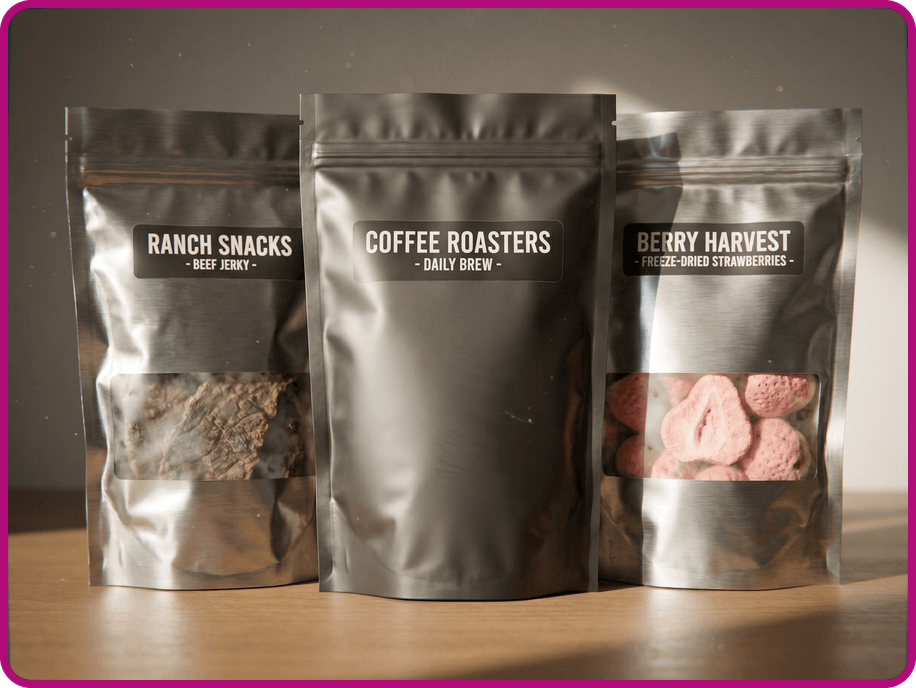
Metalized film offers the highest barrier protection for oxygen and moisture-sensitive products like coffee, jerky, freeze-dried foods, supplements, and other products that need maximum freshness retention. These high-barrier film structures help protect flavor, aroma, texture, and product quality throughout storage and distribution.
Clear film is a strong choice for snacks, dried goods, candies, granola, and other products where visibility supports the purchase decision. Modern clear barrier film options can still provide excellent barrier protection while allowing customers to see the product before buying.
Matching Materials to Your Product
Different products require different levels of protection, which is why selecting the right barrier structure is so important.
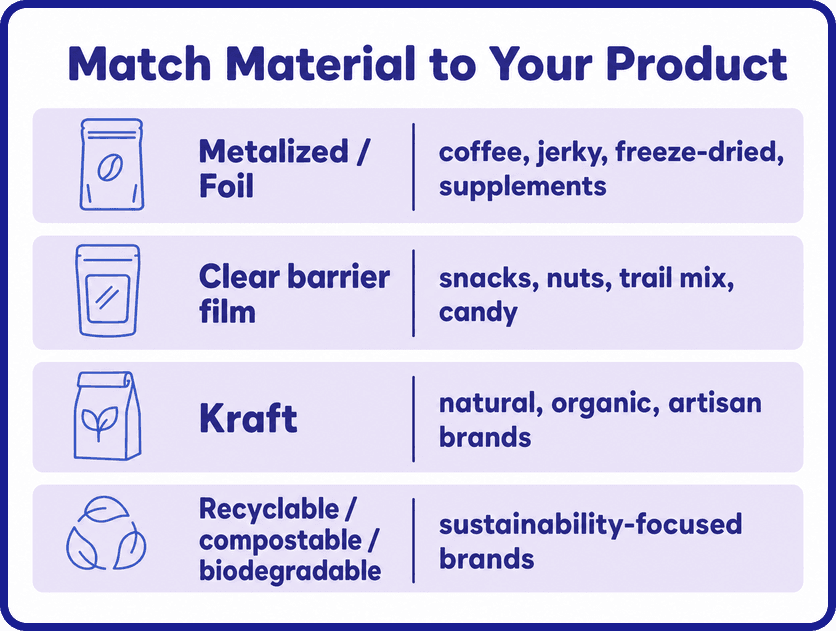
High-barrier foil and metalized film structures are commonly used for coffee, jerky, freeze-dried foods, supplements, and other products that need maximum protection from oxygen and moisture. These materials help keep products fresh longer and preserve quality throughout the supply chain.
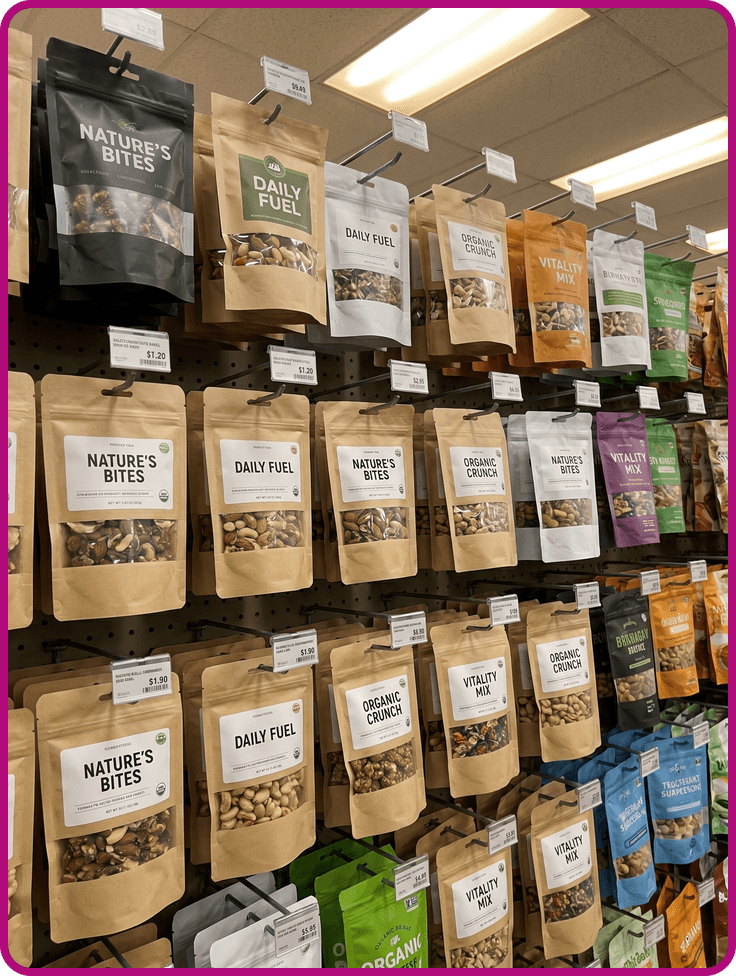
Clear barrier film is often used for snack foods, nuts, trail mix, dried fruit, candy, and other products where product visibility is an important part of the buying experience. These structures balance product protection with merchandising appeal.
Kraft paper film structures are popular among natural, organic, and artisan brands. When paired with an appropriate barrier layer, kraft materials can provide the freshness and protection needed while supporting a more rustic package appearance.
For brands focused on sustainability, recyclable, compostable, and biodegradable flexible packaging options continue to expand. These materials can provide varying levels of barrier protection depending on the structure selected, making it important to evaluate both environmental goals and product performance requirements.
Additional Material Considerations
The material structure you choose will also impact the overall cost of your custom pouch configuration. Higher levels of barrier protection generally require more specialized film constructions, which can increase packaging costs. Likewise, adding a clear window may limit the types of barrier film structures available for your package design.
Because material selection plays such a critical role in freshness, product protection, and package performance, it's worth evaluating several options before making a final decision. Testing sample pouches with your actual product is often the best way to determine which material structure delivers the right balance of protection, appearance, and cost for your custom packaging project.
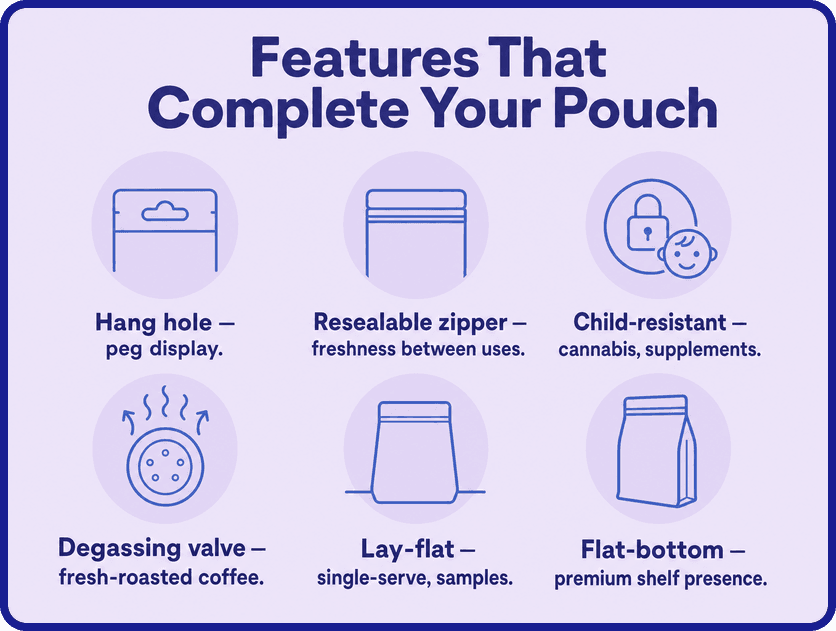
Step 3: Pick the Right Features for Your Custom Pouch Configuration
Once you've chosen the size and material, it's time to finalize the features that will complete your custom pouch configuration. This is where packaging becomes more than a container—it becomes part of the customer experience.
The custom pouch configuration you build determines how customers interact with your product every time they pick it up, open it, store it, and use it. Features like hang holes, resealable closures, child-resistant zippers, and specialty valves can improve convenience, product protection, and retail performance while helping your brand stand out in a crowded marketplace.
The Versatile Hang Hole
A hang hole is one of the simplest yet most effective features available in flexible packaging.
If your product will be displayed on peg racks in convenience stores, grocery stores, dispensaries, or specialty retail environments, a hang hole can significantly increase merchandising flexibility. While many people associate hang holes with lower-cost items, they're commonly used for premium snack, supplements, nuts, candy, and other grab-and-go products positioned near checkout areas.
Even if your package is designed for shelf display, it's worth considering whether retailers may choose to merchandise it on a peg wall in certain locations. A hang hole gives retailers more display options without affecting package functionality.
For brands looking to create a premium appearance, choosing an on-trend style such as a matte finish paired with a euro slot hang hole can help signal quality and improve shelf appeal.
The Resealable Zipper
Not all zipper closures are created equal.
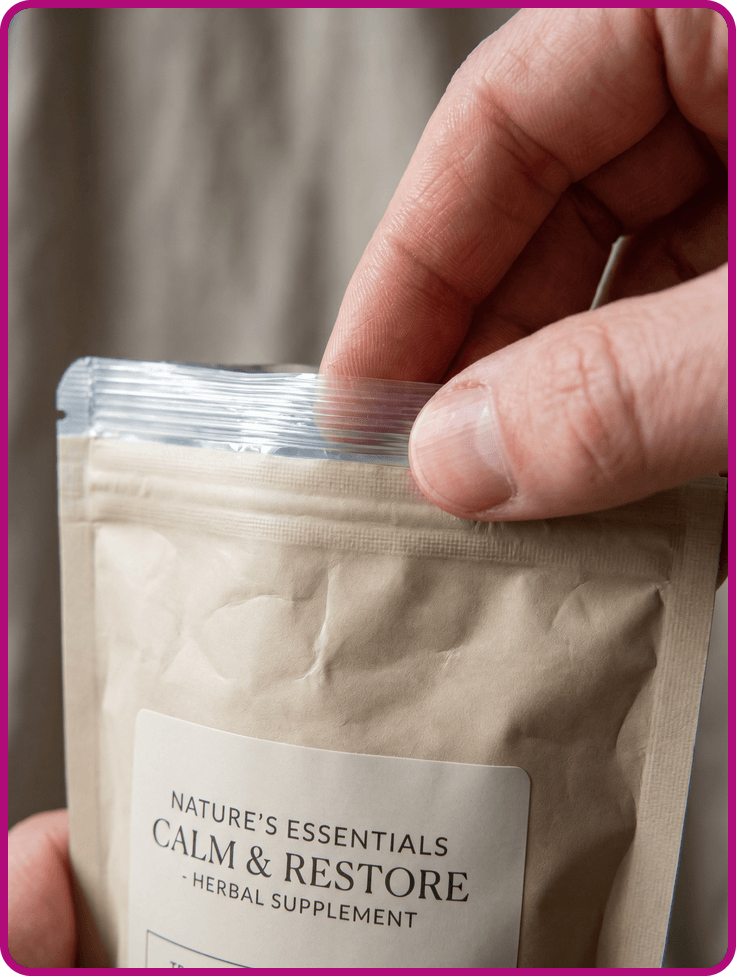
Different products require different closure styles, and selecting the right option can have a significant impact on customer satisfaction. Products with multiple-use consumption, such as coffee, snacks, supplements, pet treats, and powdered ingredients, often benefit from resealable packaging that helps maintain freshness between uses.
For example, matcha green tea and other fine powders typically require a powder-resistant zipper design. Without the proper closure, product particles can become trapped in the seal, making it difficult to reclose the package properly. This can reduce freshness and create a frustrating user experience.
Other specialty closures are available for products that release gas after packaging, such as freshly roasted coffee. In these situations, degassing valves can be incorporated into the custom configuration to preserve freshness while preventing package expansion.
The Child-Resistant Configuration
Some products require additional safety features to meet regulatory or consumer expectations.
Cannabis packaging often requires child-resistant closures, although regulations vary by state. Child-resistant packaging may also be appropriate for supplements, detergents, fertilizers, and other products that could pose a risk if accessed by children.
These configurations are designed to support child protection requirements while maintaining usability for adult consumers. Many child-resistant packages also include odor-control properties, opaque materials, and additional tamper protection features that improve both safety and product protection.
When evaluating child-resistant options, it's important to consider both compliance requirements and the overall customer experience to ensure the package remains functional and easy to use.
Lay-Flat Pouches and Other Format Configurations to Consider
Not every product requires a stand-up format. Depending on your application, another packaging configuration may offer a better combination of cost, presentation, and functionality.
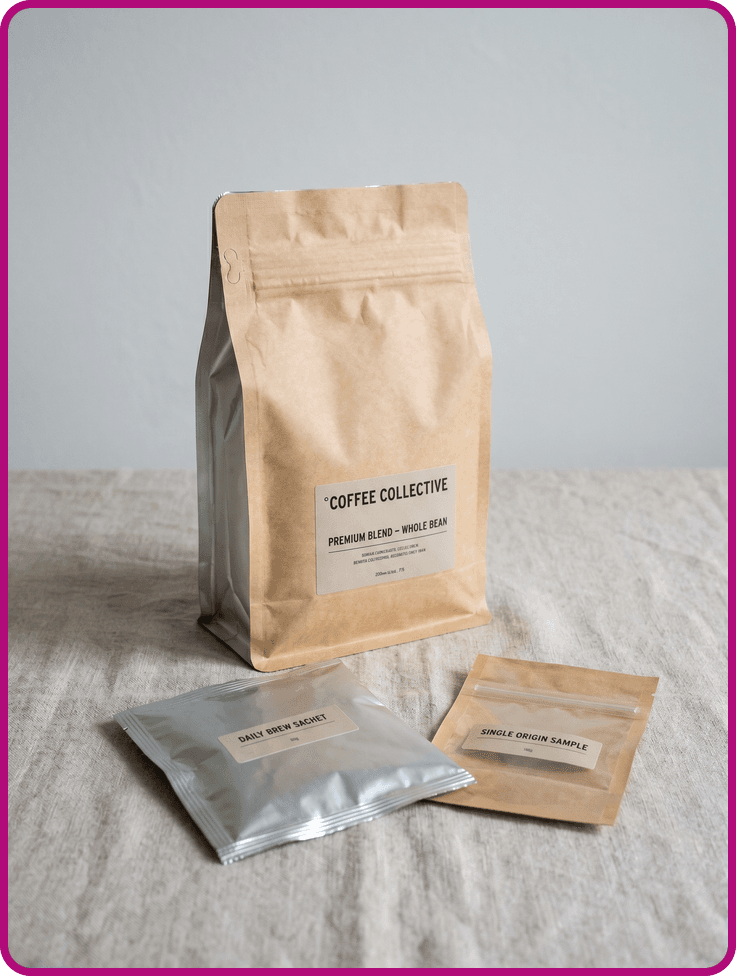
Lay-flat pouches are a popular option for single-serve products, samples, travel sizes, and lightweight items. Because they do not include a bottom gusset, they typically use less material and can provide a more economical packaging solution.
Flat-bottom pouches offer enhanced shelf stability and a premium, box-like appearance. They are commonly used for coffee, pet food, specialty foods, and other products where strong shelf presence is important.
When selecting a custom pouch, consider how the package will be displayed, transported, and used. The right custom configuration should support your product, align with your brand positioning, and deliver the functionality customers expect. Evaluating multiple format options before production can help ensure your final packaging solution performs exactly as intended.
Get an Instant Estimate
There is a lot to discover about stand up pouch manufacturing, features, design and more- if you have never used them before. Your budget will also determine the style and the configuration of the pouches you choose. Visit CarePac today to get an instant online estimate and discover more on the benefits and configuration of stand up pouches and take advantage of their low minimum orders, free samples, and exceptional customer service.
Latest From The Blog
© 2025 CarePac. ISO 9001:2015 CarePac, Family Owned Flexible Packaging
Legal | Capabilities | Privacy