size custom mylar cannabis 16 How to Pick the Right Stand Up Pouch for Your Business
Flexible Barrier Packaging

How to Pick the Right Stand Up Pouch for Your Business

How to Pick the Right Stand Up

Pouch for Your Business


3 Steps to Choosing the Right Stand Up Pouch


Step 1: Determine the Right Size for Your Stand Up Pouch


One of the biggest mistakes people make when selecting their first stand up pouch is that they misjudge the size needed. Volume is important when selecting the right sized pouch. For example, fine grain salt takes up less volume than whole coffee beans.


We have unfortunately witnessed colossal fails when a customer ordered a bag that they thought would work for popcorn, only to realize it’s a pouch for popcorn kernels instead of fully popped corn. Wah wah! <img draggable=” />


The Basics of Stand Up Pouch Sizing


Let’s review the basics of pouch sizing. The dimensions of a stand up pouch are always listed in the following order: width, height and a gusset. If a pouch doesn’t have a gusset listed, it’s not a stand up pouch. It is a 2-seal or 3-seal pouch, which is different, as these pouches do not stand up on the shelf.


Next, pouch dimensions are always based on the outside of the bag as shown in the diagram below. You must remember that there is a seam that holds the bag together so you can’t assume that your product will fit inside without testing it. 


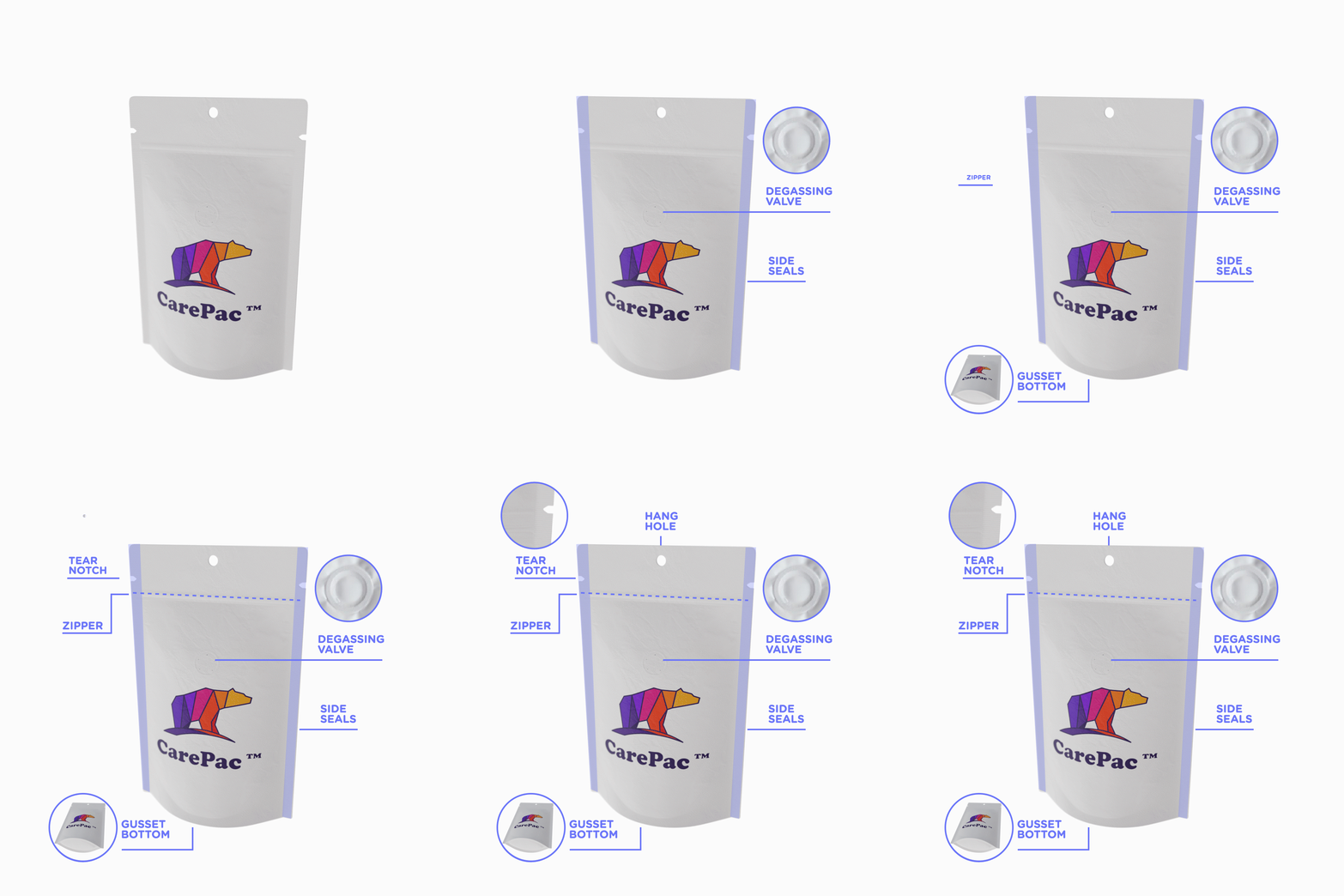
And finally you need to make sure you account for the space required for the zipper, tear notch, or hang hole if you are considering one for your stand up pouch. The fillable area of the bag is defined as the area below the zipper. It’s important to remember that this area is included in the dimensions of the bag but NOT part of the fillable area. So as they saw, Measure Twice, Cut Once!


RKyJrM6cxb JY 7AycsbdG3MqOOj yTJ1jnQb6Lb9 zpQbpzU32k6i2JXpWNM0PfHplH24ozrAmaQjrSe2oGD1gHQ 5NOrW3IH2OWfMRwPEffK99H W10Ftn JDro9gwAQJjd2p How to Pick the Right Stand Up Pouch for Your Business


Start by Ordering Samples of Different Sized Pouches


If you want to choose the right size stand up pouch, start by ordering samples so you can actually put your product in the pouch. If your pouch is too full it will burst at the seams and you’ll experience a bag blowout.  If you have a lot of extra room you may be paying for more bag than you need, AND your customers may be disappointed when they see how little product is in the bag.That’s why we offer 100% custom sized pouches


You’ll also need to be aware of how much extra space you need to leave in the bag for natural expansion or gases that may be released during transport or while sitting on a store shelf. For packages that release gas you might want to consider a de-gassing valve


What Size of Stand Up Pouch Do I Need? 


Now that you know how the dimensions of a stand up pouch work, let’s figure out how much product will fit in various sized pouches. The table below shows how much water (or liquid) will fit in a specific sized pouch. You can also see that 1oz (28g) of cannabis will require a stand up pouch that measures 6x9x3.5 versus a 1/4oz (7g) of cannabis only requires a stand up pouch that measures 3.5×4.5. 


Before you order your product packaging in bulk, be sure to pack different product sizes in sample pouches until you are sure which ones fit best. You can order the sample sizes from mini, small, medium, large, to extra-large free, for this reason.


Step 2: Choose the Right Material for Your Stand Up Pouch


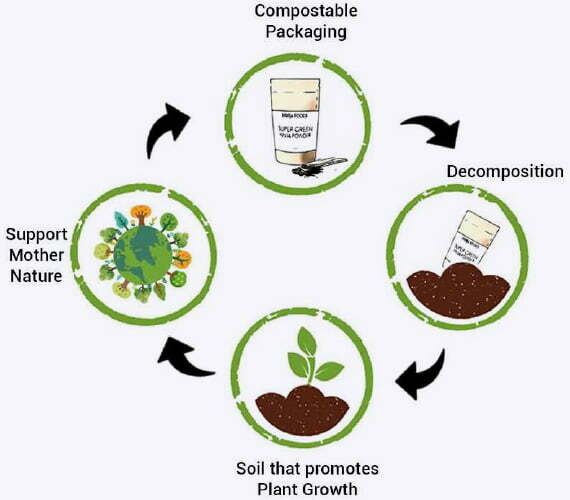
Most stand up pouches are made from metalized mylar. However, depending on what you are packaging, you can try clear, silver, foil, or kraft materials. Carepac even recyclable, compostable, or even biodegradable stand up pouches.


So how do you choose the right material? 

  1. Consider how long your product is going to be in the package 
  2. Consider the required shelf life
  3. Think about how important freshness is to your product and brand image.


For example, think about corn chips versus dried apples. Corn chips are usually packaged in economical medium to low barrier materials because most of us eat our chips quickly after purchasing them. Nobody expects chips to have an extensive shelf life and chips are a low margin item that requires a reasonably priced packaging solution.


Check out our handy chart that identifies what type of materials work best for what types of packaging. 


The material of the pouch you order will also factor into  the price of the packaging. If you wish to have a packaging bag with a clear window, it may also narrow the list of materials from which you can choose.


If you are new to packaging we recommend you chat with one of our packaging experts. We offer free consulting to ensure you pick the right bag for your needs. 

Step 3: Selecting Your Stand Up Pouch Features


Choosing the features on your bag is the fun part. You get to imagine how your customer will use your bag. 


The Versatile Hang Hole


Will they grab your bag off a peg rack at the local convenience store? If so, you need a hang hole. But don’t assume hang holes are only for low priced items. Think about the way candy or nuts are organized near the checkout in your favorite grocery store. They likely use a hang hole as well to make it easy to grab n’ go. Hang holes are the hardest working feature on a pouch so even if you expect your pouch to stand up on the shelf think about any possible retailer environments where your pouch may end up hanging.


The Resealable Zipper


Did you know there are more than six different types of of zippers that can be used on your pouch. It all depends on what you are putting in your pouch. For example, if you are packaging matcha green tea, you need a powder zipper because otherwise your bag will have trouble resealing and customers may spill an expensive product and never buy your product again due to the packaging “error.”


The Child Resistant Pouch


If you are packaging cannabis you may be required to use a child resistant zipper (it varies by state). But any product that is potentially dangerous to children really should be child resistant. This could be supplement pouches, or fertilizer bags, or detergent pods for example. 


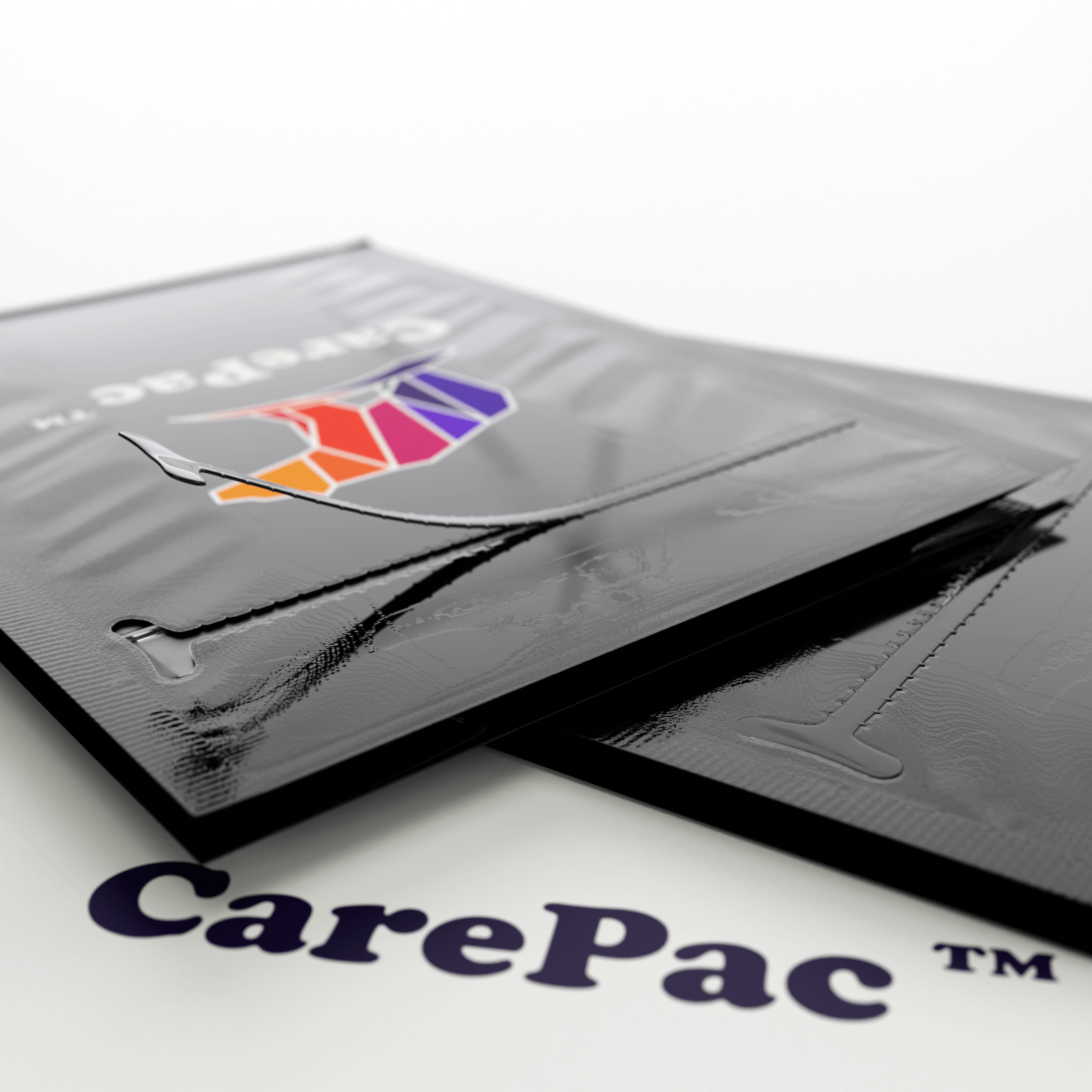
Child resistant pouches are also smell proof and designed to be opaque so children cannot view inside the bag. If you are new to packaging and unsure what type of child resistant packaging you need be sure to reach out to our friendly packaging experts for a free consultation.


Get an Instant Estimate


There is a lot to discover about stand up pouch manufacturing, features, design and more- if you have never used them before. Your budget will also determine the style and the configuration of the pouches you choose. Visit CarePac today to get an instant online estimate and discover more on the benefits and configuration of stand up pouches and take advantage of their low minimum orders, free samples, and exceptional customer service.


Read More
Custom Digital Printed Mylar Bags Eye Catching Weed Stand Up Pouch doypack cannabis packaging
Non Food Items Packaging

Cannabis Packaging Rules in California

Cannabis Packaging Rules in

California

Cannabis regulations vary by state, particularly those pertaining to packaging and labeling requirements. In this article we will dive into some of the cannabis packaging rules in California. The primary motive is to prevent the distribution and usage of marijuana among underage children and in the black market. 


Most include the requirement for a warning label, and the regulations are constantly changing. For instance, some of the most common and recent changes regard logo sizes, color requirements, and whether the packaging should be one-time or all-time child-resistant (sometimes referred to as “life-time child resistant) . 


To be honest, some of these regulations are challenging to comprehend, let alone implement. So it’s usually critical to hire a qualified lawyer in your jurisdiction to help you comply with the laws. But to help you get started and have a basic understanding of what’s required of you, we’ve prepared this first of many multiple series guides discussing cannabis packaging rules in different states. For this post, we’ll kick off with the state of California:

  • What are the cannabis packaging requirements in California?
  • What qualifies as child-resistant packaging in California?
  • What are California’s cannabis regulations on labeling?
  • CarePac is your go-to packaging printing partner.


What are Cannabis Packaging Requirements in California?


From the consumer’s viewpoint, they pay minimal regard to the packaging, as they’re more interested in what’s inside. But the State’s Department of Public Health, through its Office of Manufactured Cannabis Safety (OMCS), looks way past the general consumer. It also considers the possibility of cannabis accidentally falling into the hands of minors or the black market. Thus, the OMCS has proposed the following packaging regulations:


Packaging must be Tamper Evident


According to the Food and Drug Administration (FDA), a tamper-evident package is “one having one or more indicators or barriers to entry, which if breached or missing, can reasonably be expected to provide visible evidence to consumers that tampering has occurred.” Further, the barrier or indicator must be “distinctive by design,” i.e., not easily accessible to the public. For example, cannabis product packages should contain a plastic seal, a lead that pops up after opening, a sticker all across the lid, etc. This helps the consumer know if the package has previously been tampered with or open. 


Packaging must be Resealable


Many times, people purchase cannabis or cannabis products for multiple uses. So it would be a significant injustice to the buyer if the package cannot be resealed after use. That’s why the OMCS requires cannabis manufacturers to wrap their products in packages that can be closed after every use. 


Packaging must be Opaque


This requirement applies specifically to edible cannabis products only. Opaque packaging for edible marijuana is where the consumers cannot see the product through the package unless they open it. Therefore, it’s beneficial in steering underage children from being curious about what’s inside since they can’t see it. Opaque packaging also protects cannabis products from contamination and exposure to direct exposure to sunlight or UV rays. 


Packaging must be Child Resistant


The OMCS is, remarkably, wary of the marijuana effects on minors, and it has established clear-cut regulations requiring manufacturers to ensure that their products are as child-resistant as possible. In a word, the regulator requires manufacturers to design their packages in a manner that’s difficult for children under the age of five to open. But what qualifies as child-resistant packaging in California? More details below!


What Qualifies as Child-Resistant Packaging (CRP) in California?


Since the beginning of January 1, 2020, the state law requires manufacturers to wrap every individual cannabis product in a child-resistant package. This section looks at the top bare minimums that manufacturers must fulfill for their packages to qualify as child-resistant. But first, what are the available types of child-resistant packaging:

  • Single-Use. Also referred to as an “initial CRP,” a single-use package is originally child-resistant but once opened, it ceases to be child-resistant. Hence, the labeling must reiterate that “this package is not child-resistant after opening.”
  • Multiple Use. Also known as a “lifetime CRP, this type of package remains child-resistant throughout its usage, no matter how many times it’s closed or opened. 


Let’s now switch focus to what qualifies as a CRP:

  • A bottle with a pry-off metal crown cap seal
  • Any package certified as child-resistant according to the federal Poison Prevention Packaging Act (PPPA)
  • A plastic packaging that’s at least 4 mils. thick and heat-sealed. Further, the plastic package shouldn’t contain any easy-to-open flap, corner, dimple, or tab. 


What are California’s Cannabis Regulations on Labeling?


On top of the packaging requirements, the OMCS has clear-cut labeling regulations that cannabis manufacturers should follow to the latter. This section takes a deeper dive into labeling placements, as they should appear in the primary panel, information panel, and others. We’ll also discuss what you cannot do as far as marijuana product labeling goes. So let’s get to it:


Primary Panel Labeling Requirements


In case you’re wondering, the primary panel is the part of the label usually displayed to consumers. It can be at the front or top of the package. The law requires the primary panel label to capture the following details:

  • Product Identity. This is the generic or known name for describing the cannabis product. 
  • Net Weight or Volume. This section should detail the volume or weight of what’s inside the package in metric and U.S. customary units. 
  • Universal Symbol. The product label should also capture a California symbol indicating that what’s inside is cannabis. 
  • Cannabis-Infused. If it’s an edible cannabis product, this phrase must be written above the product identity. And it must be in a larger text size and bolder font than the one used in product identity. 


Informational Panel Labeling Requirements


The informational panel refers to every part of the package other than the primary panel. The law requires that it should contain:

  • The manufacturer’s name (as listed in their license certificate) and contact information, e.g., phone number, email address, website, etc. 
  • The packaging/manufacturing date, including the month, day, and year, e.g., PKG/MFG:06/18/2021. 
  • UID number, i.e., the unique tracking number issued via Track-and-Trace. 
  • List of all ingredients and sub-ingredients in descending order and according to weight and volume. 
  • Lot or batch number.
  • Usage or preparation instructions
  • Government-issued warning statements for cannabis products in bold and caps. 
  • Expiration date, if applicable. 
  • Allergens, if any, and written starting with the word “Contains.”
  • For edible cannabis products, the labeling should also feature measurements for carbs, fat, sugar, and sodium in grams or milligrams. 
  • If the product is perishable after opening, the labeling should contain the phrases, “KEEP REFRIGERATED” or “REFRIGERATE AFTER OPENING.”
  • If the product contains a THC concentration that can only be sold in the medical market, the labeling should feature the phrase, “FOR MEDICAL USE ONLY.”


Other Labeling Requirements


Other labeling requirements point towards the Cannabidiol (CBD) or Tetrahydrocannabinol (THC) content available in the cannabis products. They include:

  • Cannabinoid content (in milligrams) added to the label by the manufacturer before or after testing. 
  • THC and CBD per serving (for concentrates and edibles with distinct serving sizes). 
  • THC and CBD per package for all manufactured cannabis products. 
  • Any other cannabinoid constituting at least 5% of the total cannabinoid content. 


CarePac is Your Go-To Packaging Printing Partner


Have you been looking for top-quality, affordable, and law-compliant packaging solutions for your cannabis products without success? If the answer is YES, your misery ends here! CarePac is a trusted package printing company with overflowing experience and expertise in designing and printing customized packaging solutions for cannabis product manufacturers. Our bags are 100% environmentally sustainable, efficient, regulatory compliant, aesthetically pleasing, and shockingly low-cost. 


And the best part? We have low minimum order quantities (MOQs), and we offer free shipping on stock orders. So what are you waiting for? Reach out to CarePac today for quality, affordable, and customized cannabis packaging solutions!

Read More
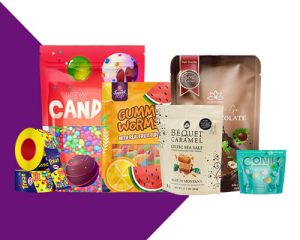
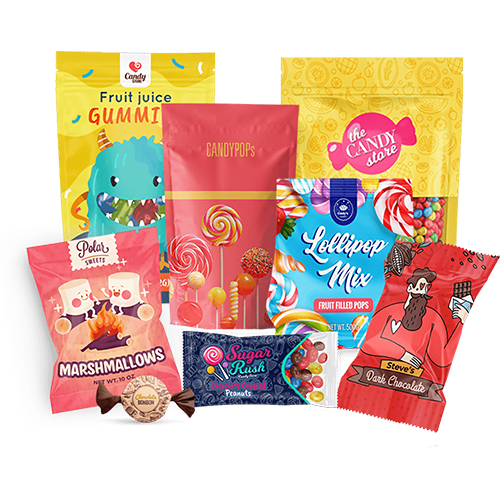
A family group shot of all the different types of custom candy pouch bags Carepac offers including chocolate, sweets and cookie bags.
Packaging Design

Trends and Opportunities In the Candy Packaging Market

Trends and Opportunities In the

Candy Packaging Market

Like any other retail business, the candy market is increasingly becoming competitive and advanced in line with consumers’ tastes and preferences. However, one that’s setting brands apart is the designs and qualities of their packaging.


From high infographics, bright colors, impressive designs to imageries, packaging is continuously proving to be a game-changer in the candy market. Here are some trends and opportunities that’ll give you insights into moving with the candy packaging market and, most importantly, stand out on the busy shelves to get the sale done!


1. Sustainable and Compostable Materials 

pic1 6 Trends and Opportunities In the Candy Packaging Market


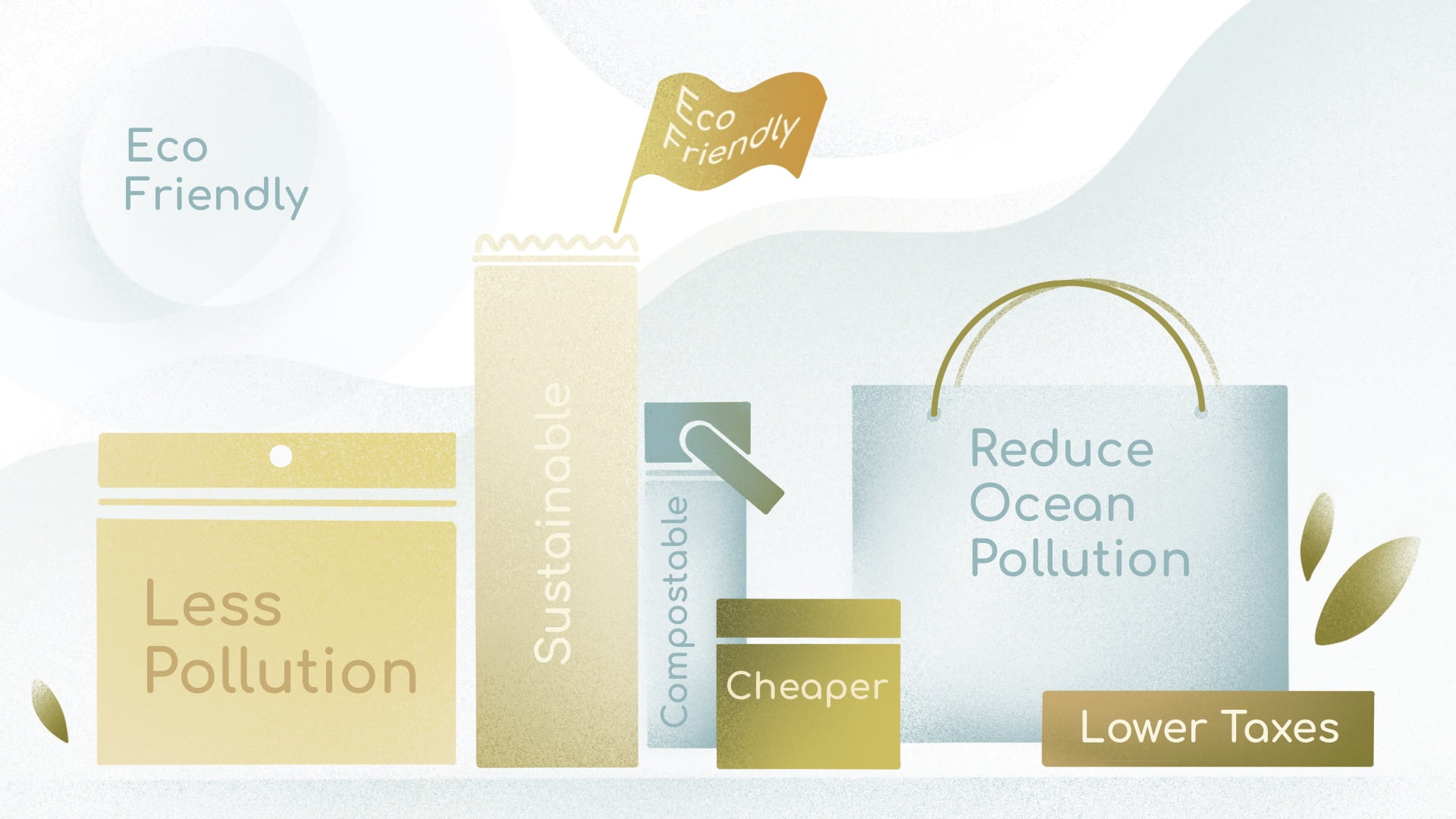
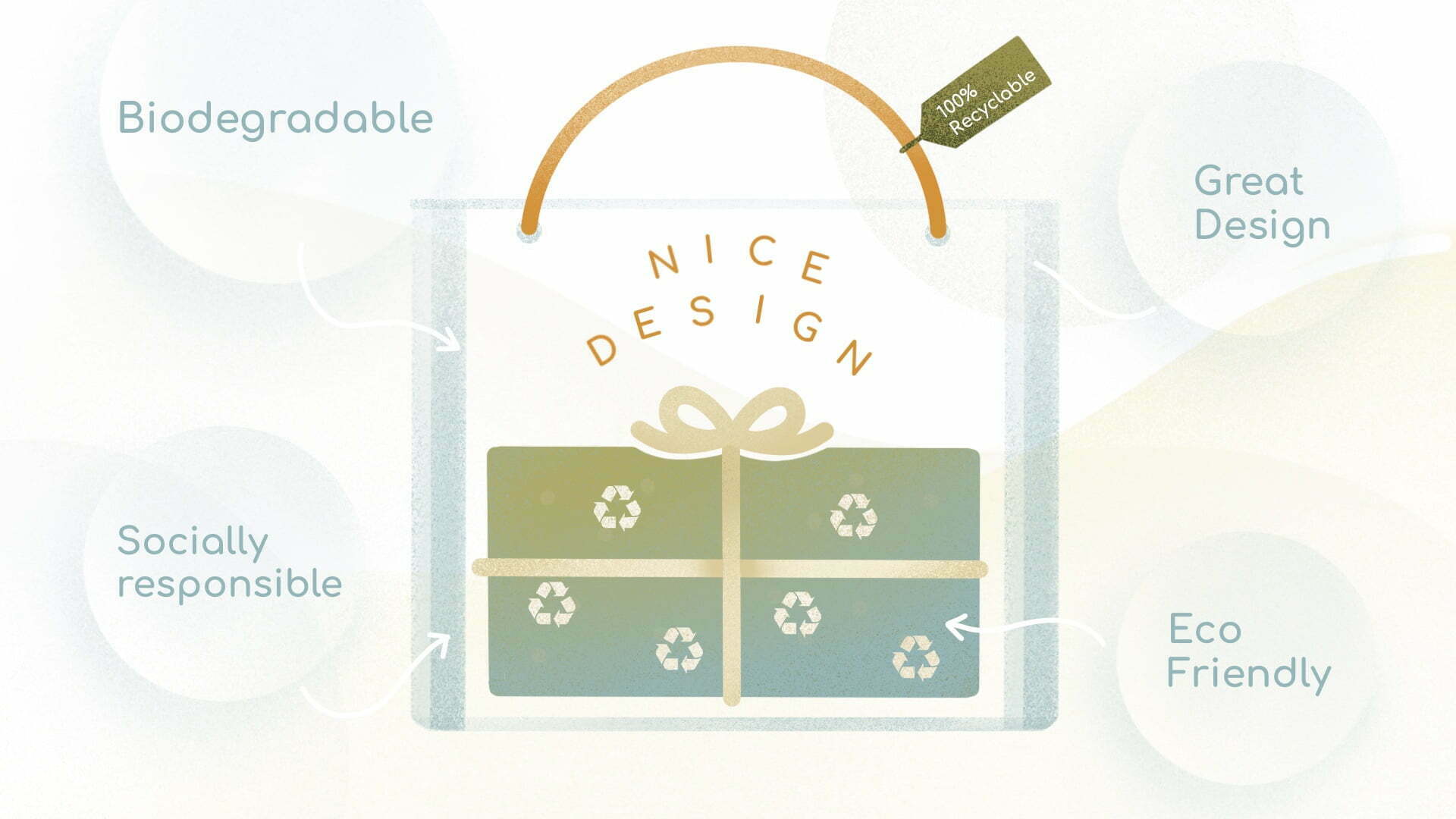
Eco-friendly or sustainable packaging is increasingly becoming a requirement by the authorities and a consumers’ preference. That explains why sustainable and compostable materials are being embraced in packaging candy and food products in general. For sure, this trend will continue to grow over time as more and more people continue to liken the ‘going green initiative’ in the wake of environmental conservation. And when it comes to compostable and eco-friendly packaging, Carepac is leading the way.


So, How Do We Excel in Compostable Packaging?

pic3 3 Trends and Opportunities In the Candy Packaging Market


Carepac has the most recent FCN approved compostable packaging solutions that seamlessly compost under ambient conditions and are also made of renewable materials. We are always partnering with filmmakers and laminators to offer brands the newest and latest innovations in compostable barriers made of biodegradable plastics such as sugarcane corn and cassava.


Moreover, our bags are fused with enhanced barriers and multiple thickness options to preserve your candy for longer periods. Furthermore, we make sure that the most common pouch configurations such as 3 side seal, tamper-evident, stand up pouches, tubing, and square bottom pouch are strongly compatible with compostable materials.


Check out some of the compostable packaging materials we provide:


CareCompost KP Qualities

pic5 3 Trends and Opportunities In the Candy Packaging Market

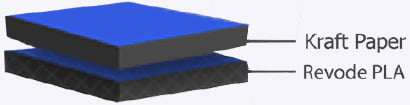
CareCompost KP is a kraft paper and PLA based compostable material that offers a great cost point.

  1. Exceptional price points and order sizes
  2. Multiple thickness layers
  3. Compatible with most pouch configurations with printable options


CareCompost NPT Qualities

pic6 4 Trends and Opportunities In the Candy Packaging Market

This compostable material can be used to make pouches or bags which are totally see through, just like normal plastics. Its pros include;

  1. Moisture barrier
  2. Heat sealable
  3. Transparent to the eyes
  4. Anaerobic digestible
  5. Resistant to oil and grease, and are also made from renewable resources


CareCompost NKMEPS     


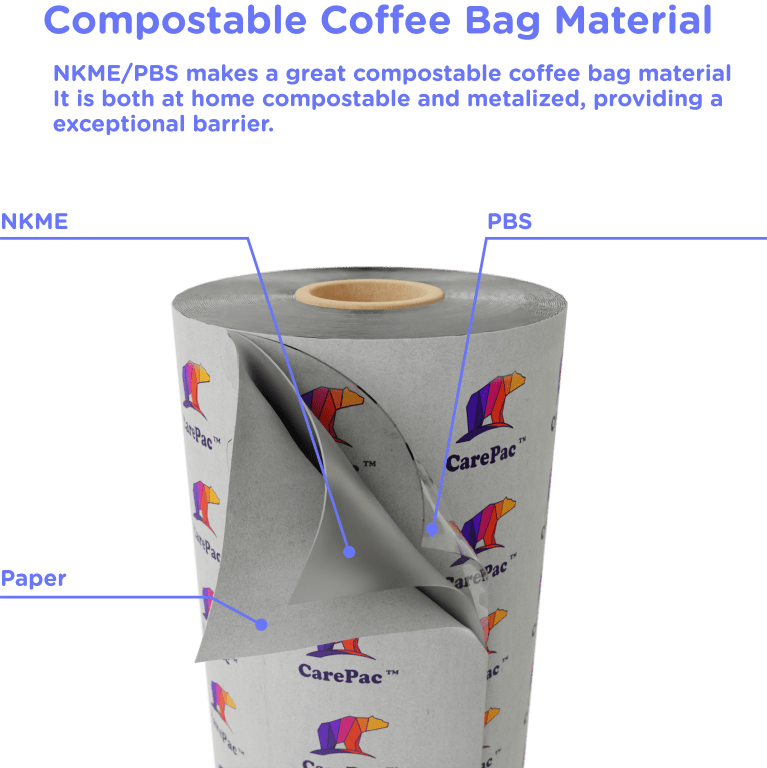
This is a top of the line compostable lamination structure. Consisting of a NatureFlex bioplastic exterior with a metalized ambient compostable lining. This material provides both a great barrier and a traditional pouch look, along with full plate printing ability. This Material readily decomposes and biodegrades into biomass, water, and CO2. Some pros include;

  1. Requires no specialized composting facilities
  2. Food Contact Approved (FCA/D)
  3. Higher barrier than most compostable materials. 
  4. BioPBS is used as a sealant layer. 


2. Fold Over Gussets 


Another trend that is moving the candy market when it comes to packaging is the fold over gussets. This pouch configuration has been popular in the dried goods industry and is now making waves in candy packaging. Here are some of the features that are making candy brands consider it;

  • They are easy to fill and retain some shape in the gusset. 
  • Easily adjustable thus, you can increase the volume of the bag without increasing the overall length and width of the package
  • It is less wasteful and more cost-effective as compared to the traditional cardboard packaging
  • Due to its flexibility, it enhances storage space both at the manufacturer’s facility and on the shelves
  • Its strong and durable high-barrier films allow for a longer shelf life of the candy, and consequently, decreases product recalls
  • Again, its strong materials enable ease of package transportation both to the retailers’ stores and once a buyer has made a purchase  


3. Haptic Coatings (Soft Touch) 

BM SUP HTZ Trends and Opportunities In the Candy Packaging Market


Another candy packaging opportunity you need to consider is the haptic coating packaging –soft touch and amiable packaging. It is appealing and attractive to customers, particularly in foodstuff packaging. Hence, it can be a marketing gem.


And as a matter of fact, California Polytechnic State University research revealed that customers preferred soft touch coating vs. traditional coating and were willing to pay a 5% price premium on cosmetics. Studies have also shown that consumers are more likely to purchase a product if it engages their sense of touch.


Yet again, soft touch packaging can make the consumer feel as though the product is of high-end quality. And still, due to its comfortable and luxurious feel, it is perfectly suitable for high-grade and premium candies.


4. Pull Tab Zippers Instead of Standard Zippers

ez pull Trends and Opportunities In the Candy Packaging Market


And when it comes to packaging features, the traditional standard zippers are fading away in favor of pull tab zippers. This is as a result of the so many advantages they have when it comes to loading, including;

  • The entire top of the bag opens for loading; hence the producer or fillers never have to interfere/mess up with the zipper
  • These pull-tab zippers are built on one face of the bag (usually the front) hence allowing the top part of the bag to be completely clear and opened for loading
  • They can be great for roll stock pouches mainly because they’re built on one face of the bag
  • Less time and effort is required when opening the bag as compared to a bottom loading 3-seal, and again it ensures that the bag is full sealed at the end of loading
  • It is most suitable for high-speed filling environments like in auto/machine filling processes


Furthermore, pull-tab zippers allow customers to easily scoop out, tip or snack from right in the package, thus user-friendly.


Wrap Up  


The next time you’re in the market for candy packaging, consider these trends and opportunities, and you’ll surely be ahead of the competition. And even if not ahead, then you’ll be keeping pace with the market and consequently your competitors.


So, if you need any of these trends and opportunities, such as compostable/eco-friendly candy packaging, look no further than here. Carepac can help you choose the best candy packaging that’ll make you stand out on the competitive shelves. You can reach out to usfor a free consultation if you need to learn more.

Read More
53609 snack sticks with kraft box mockup Stick Pack Packaging: Does the Packaging Work for Your Brand?
Flexible Barrier Packaging

Stick Pack Packaging: Does the Packaging Work for Your Brand?

Stick Pack Packaging: Does the

Packaging Work for Your Brand?

You’ve been weighing your options regarding stick pack packaging solutions and services. Now you have to make a decision: how do you choose the right pack packaging stick pack solution for your brand? It all boils down to whether you want to make your own bags or use the finished ones. 

CarePac provides two types of powder stick pack packaging: flow wrap or form fill stick packs and finished stick bags. Not sure which one suits your packaging needs? Read on to weigh the advantages and disadvantages of stick packs packaging before a final decision.


1. Flow Wrap Packaging

Flow wrap stick packs are where you get a roll stock or tubing, and you use a machine to form and fill the stick all at the same time. An excellent example of flow wrapping or form filling stick packs include traditional candy bar wrappers

Before ordering these products, be sure you weigh its advantages and disadvantages.


Advantages of stick pack packaging

Some of the benefits that come with flow wrap products include:

Great for high volume and speed of filling

If your foremost consideration is high filling speed and volume, a flow wrap solution will often be more advantageous than filling premade pouch. So flow wrap or form fill is suitable if your company is large and produces thousands or millions of small packaged products. Combining these packaging and new technologies (that come will completely robotic infeed, servo drives, and other features) makes this benefit possible.


The cost of roll stock and tubing will be lower per-unit

The type of stick pack film is among the many variables that come into play when determining the cost of packaging materials and products. Choosing to go with flow wrap packaging for your products helps you cut down on the cost of tubing and rolling in the long run. You see, roll stock is more flexible because you’re not forming specific types and sizes of bags. So using it for multiple bag sizes becomes cheaper.  For more tips on how to reduce packaging cost, check out our full article here. 

Disadvantages of stick packs

However, flow wrap stick packaging also comes with some drawbacks:

Bag-making costs 

When talking about flow wrap packaging for your products, you assume the responsibility of making your bags in-house. This means you’ll need employees to load the supplied roll of material onto the form-fill-seal (FFS) machine and monitor the creation of those pouches.

Everything from loading the roll stock to film tracking to sealing has to be accurate. So you’ll have to equip the employees with extensive technical knowledge to set up the machines properly and monitor changeover.

Therefore, if yours is a small business, the flow wrap or form fill is not going to be a suitable solution due to the high cost of machinery, equipment, and labor, last but not least FFS machines can be upwards of $100k for FDA uses. 


Impossible to make advanced bags

You’ll have to sacrifice some flexibility if you need to achieve high packaging speed. So form fill machines and packaging are not flexible enough to help you come up with unique branding styles and designs for your products. It’s only suitable for higher output and longer runs where you need only 1 to 4 standard pouch styles and sizes. 


Excess packaging waste

The in-house bag-making process will eventually lead to excessive concentration of the rolls and tubing in your facility. You’ll also start noticing product and packaging waste from the packaging machine.  So be sure to invest in waste disposal around the machine to avoid contamination of finished products.


2. Finished Stick Bags

Stick Pack Stick Pack Packaging: Does the Packaging Work for Your Brand?

CarePac can also sell you small finished bags, which you can fill using a hopper filler. So the cost of designing and creating them is not your responsibility. 


Advantages


A wide variety of pouches

If you need a myriad of bag styles, sizes, or shapes to suit your brand, consider using finished packaging. The option also allows you to change the packaging varieties multiple times on the same day, thanks to its flexibility regarding short runs and artistic designs. 


Low labor cost 

Choosing finished bags means that you’ll not have to bear the cost of making them- CarePac will fabricate and deliver the bags to your company. The remaining work will just involve loading the pouches into the machine’s bag magazine, eliminating the need for technical expertise.

And if you have invested in robotic pick and place systems, you can say goodbye to manual labor. You’ll only need few entry-level employees to load and operate the machines without much help. 


Minimal Scrap

You’ll also not have to pay for product and packaging waste disposal (unlike the form filled stick packaging) because waste and scrapes are minimal. You see, disposing of scrap from premade bags is left in the hands of CarePac, as the creation of the bags doesn’t happen in your facility.

Another thing is that the finished bag machine allows you to set up, calibrate, and carry out changeovers without running the product. That means you can recycle the bags for the final production. 


Disadvantages


Slow Speeds and Lower Volume

One drawback of this solution is its slow speed. Yes, the industry has fast hopper filling machines, but they’re still lagging. 

However, it’s worth noting that faster is not always better- While speed is crucial, it may not be the most critical consideration. It would be best if you looked into your unique needs when deciding on packaging products. 


High initial investment on flexible packaging films 

The cost of purchasing a premade pouches’ machine can be high. Beyond the upfront costs, be sure to consider other cost factors that will impact your machine’s total ownership in the long run. For instance, using finished bags can leave behind a lot of inventory if the product is discontinued. 


Conclusion

Let’s face this: There is no one-size-fits-all answer regarding the right stick packs for your brand. Many factors come into play when choosing the best solution:

  • Company: think size of your company, length of runs, types of products, and volume of products

  • Logistical factors: think about your product’s shape and weight plus their relationship with the shipping expenses. Can you easily palletize or pack your products for shipping?
  • Budget and cost constraints: what has your organization leadership decided regarding packaging costs? 
  • Your employees’ technical skills (maintenance staff, production crew, and operators): you may decide to go for a solution that complements your existing crew’s technical knowledge if you don’t want to invest in new or highly-trained employees. 
  • Marketing department’s requirements: think shelf presence, artistic styles, aesthetic appeal, and ads area.
  • Consumer base requirement: think messaging on the package, convenience, portability, and easy-open and re-sealable options.

Whether flow wrap or finished bags are suitable for your brand, consider CarePac, a reputable company that will make your products fly off the shelves. Get an instant quote now.

Read More
New Label Nutritional Labeling Requirements
Packaging Design

Nutritional Labeling Requirements

If you manufacture food products, you understand the need for Nutrition Facts labels that follow updated dietary and science recommendations. The label helps consumers to make informed choices regarding healthy diet. Its always recommended to hire a qualified expert consultant to help you navigate the regulations of food labeling. One wrong word can mean you must recall all the food and relabel it. FDA labeling isn’t something to DIY.  This article is meant to be a brief overview of some of the labeling requirements you need to keep in-mind. 


In 2016, the U.S. Food and Drug Administration (FDA) updated the Nutrition Facts label on packaged foods to reflect current scientific information, including the connection between diet and chronic diseases like heart diseases and obesity. This was the first significant nutritional label update in over two decades according to the FDA (current as of 02/10/2021).


The regulators required manufacturers whose annual sales are $10 million or more to update their labels by January 1, 2020. Those whose yearly food sales fall below $10 million were required to update the labels by January 1, 2021. So, what changed?


Format and Font Requirements


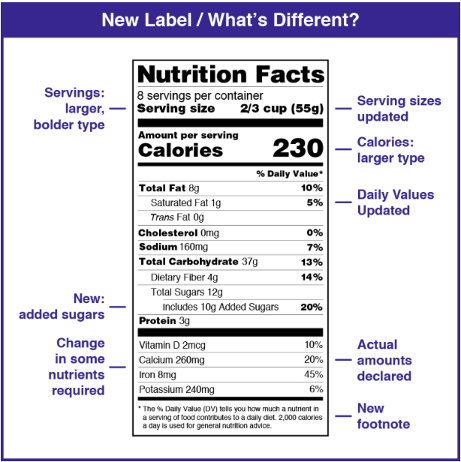
While the label still maintains its iconic design, the FDA updated it to help consumers to access vital information at a glance. That way, they can make quick and informed nutritional decisions. Some of the changes include the type and size of fonts for ‘serving size,’ ‘calories,’ and ‘servings per container.’


In addition to listing the % DV (Daily Value) of Iron, Calcium, Vitamin D, and Potassium, the manufacturer needs to declare the actual amount of these nutrients. They can reveal other nutrients and minerals’ gram amounts voluntarily. 


Here are more specific requirements when formatting the label:

  • The heading Nutrition Facts must be Fanklin Gotchic Heavy or Helvetica Black, flush left and flush right, no smaller than 13 point
  • Serving size must be Helvetica Regular 8 point with 1 point of leading
  • % Daily Value must be 6 points, Helvetica Black
  • Total fat must be 8 points Helvetica black with 4 points of leading
  • The vitamins and minerals section must be 8 points Helvetica Regular, 4 points of leading with 10 point bullets
  • Type below vitamins and minerals is 6 point with 1 point of leading
  • All labels enclosed by ½ point box rule within 3 points of text measure
  • Requirements for lines have also changed 


New Label Nutritional Labeling Requirements

More Updates


In 2018, FDA announced the Nutrition Innovation Strategy, which sets a strategic course for taking action to reduce preventable death and disease related to poor nutrition. From: https://www.fda.gov/food/nutrition-education-resources-materials/new-nutrition-facts-label current as of 06/29/2020


Serving Sizes are now larger and bold


The serving size details per container have now gotten real, appearing in large and bold fonts. According to FDA, they must be Helvetica Regular 8 points with 1 point of leading. The updates on the serving sizes also reflect the amount of food and drinks consumption today. 
 

Since the initial Nutrition Facts label’s birth, the term ‘serving’ has changed for some foods over time. While the Nutrition Facts label usually lists information based on one serving, some manufacturers may display the details per package. And one package may have more than one serving. 


Packages’ serving sizes requirements:


The size of the package affects the nutritional intake. So if the container has one or two servings (like 20-ounce soda), the manufacturer must list the calories and other nutrients as one serving since consumers typically eat or drink them in one sitting. 


Are you manufacturing larger products (with more than one serving) that a person can consume in one or multiple sittings? In this case, you’ll need to display ‘dual column’ labels that show how many calories and nutrients are there based on both ‘per serving’ and ‘per package (unit).’ Good examples include a pint of ice cream or 20-ounce soda. These dual column labels allow consumers to quickly understand the quantity of nutrients and calories they consume from the whole unit in one sitting. 


Calories got Bigger


Calories are also larger and bolder, so consumers no longer have to squint their eyes to find the information. While the 2,000 calories a day is now the general nutrition guide, the exact calorie needs vary depending on every consumer’s weight, age, height, sex, and physical activity. 


The Percentage Daily Value (% DV) Lows and Highs


The % DV displays the amount that a nutrient in a serving contributes to a total daily diet. Due to the updates, the item can be lower or higher on the new label. But here’s a general guide:

  • Low nutrient per serving: 5% DV or less
  • High nutrient per serving: 20% DV or more


Added Sugars, Vitamin D, and Potassium are Included


Added sugars are a new item on the label since consuming too much of these nutrients can hinder your body from meeting nutritional demands while maintaining calorie limits. These sugars include sugars that manufacturers add during food processing (think dextrose and sucrose), processed sweeteners (like the table sugar), sugars from honey and syrup, and those from concentrated vegetable or fruit juices. For single-ingredient sugars, the labeling requirements are different. 


Vitamin D and Potassium are other new entrants required to be listed since these nutrients’ intake among Americans mostly fall below the recommended amounts. The listing of Calcium and Iron didn’t change because of the same reason.   


Some Details are no Longer Necessary


The updated Nutritional Fact label no longer requires some information. You may ask, which are these details and why have they been erased? 


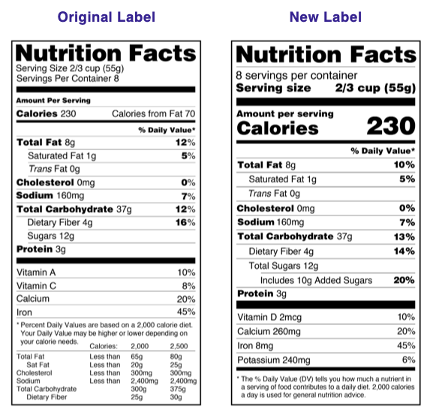
FDA has removed the requirement of listing calories from fat and continued to require total fat, trans-fat, and saturated fat. Why? According to studies, the type of consumed fat carries more importance than its amount. 


They’ve also gotten rid of vitamin A and C- rarely do people experience deficiencies of these nutrients nowadays. But food companies can choose to include them voluntarily. 


Wrap Up


OldvNewLabel Nutritional Labeling Requirements

The updated label can help consumers stay within their dietary needs’ limits successfully. They can now choose products with more of the nutrients they need and less of those they may want to cut down. More often, they will consider foods that are rich in dietary fiber, iron, potassium, calcium, and vitamin D and lower in added sugars, sodium, and saturated fat. 


If you’re looking for the correct package or bag for your products, consider Carepac. Many companies trust us because of the robust technologies and vast experience that go into our packaging solutions. We have you covered from eco-friendly to compostable bags, Kraft paper bags, to zipper top pouch packages. Contact us to get an instant quote now!

Read More
How Stand Up Pouches are Made - Bags 101 (1)
Other Packaging Topics

CarePac vs Competitors

Introduction


Picking a packaging partner is a hard decision which is why we’re going to compare three of the most popular packaging companies on the market – Carepac vs Roastar vs ePac Flexibles. We’ll present an in-depth assessment of each company’s packaging capabilities and provide recommendations at the end. 


Our goal was to use our deep experience in the packaging & marketing industry to understand the bagging landscape and find out how each company stands up. 


The main difference between the three companies is their selection of materials, printing options, and cost. 


Click here if you want to skip to the end and see the winner!


Before You Buy


You probably have a lot of questions about the specific features or services provided by CarePac, Roastar and ePac. Depending on your budget, material requirements, and lead time one company may appeal to you more than the other. 


Let’s dive into some of the details!


Flexible Barrier Packaging 


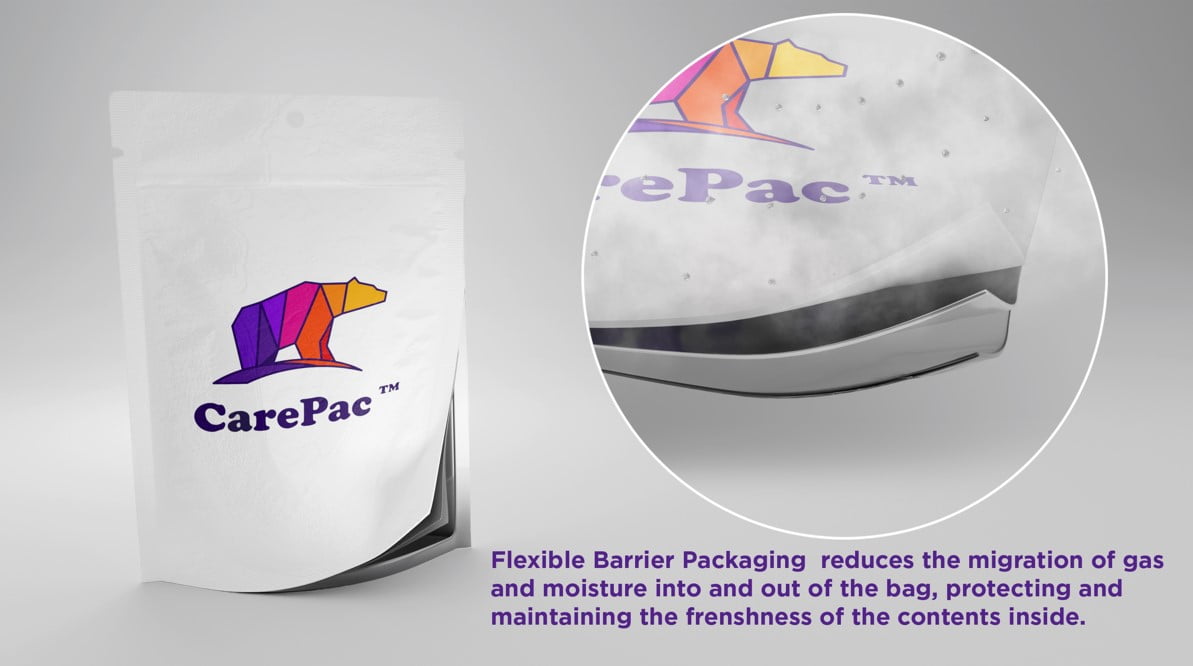
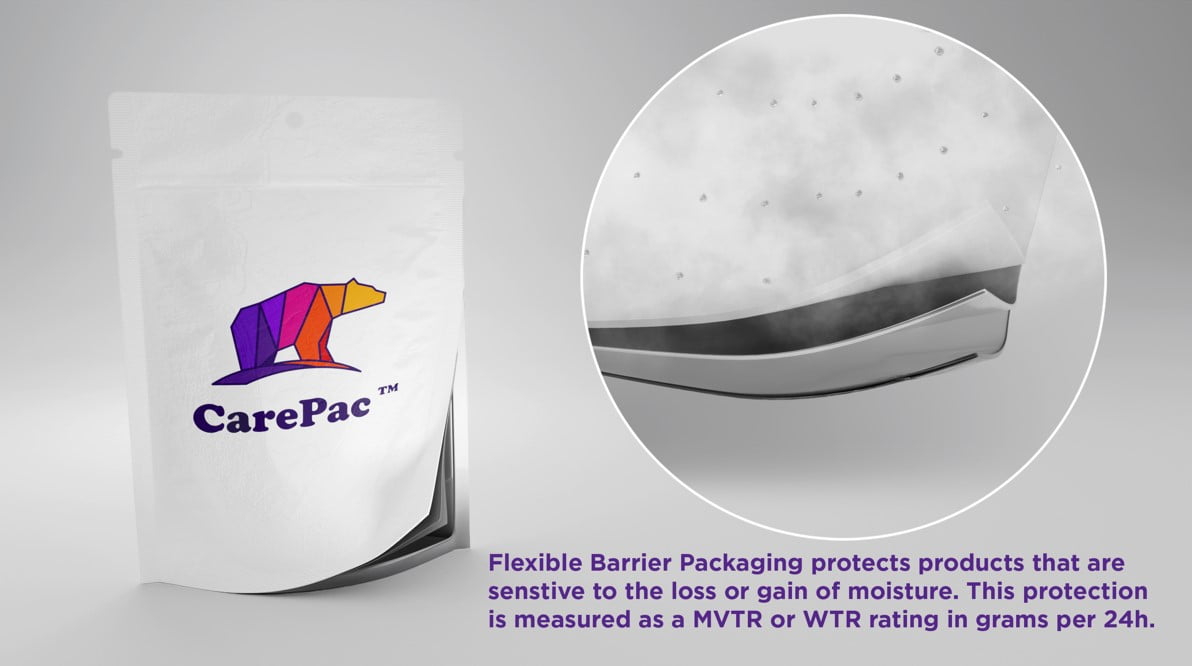
What is flexible barrier packaging exactly and what is it used for? Flexible barrier packaging is used to maintain freshness, extend shelf life and prevent damages to the contents of the package. Materials such as flexible plastics, aluminum, paper and coatings are used to keep oxygen, moisture and light out. This keeps your product fresh and damage free.


Flexible barrier packaging is better than other forms of barrier packaging due to its lightweight, lower cost, convenient portions, protection, and easy customization to specific applications. 


Selection of Materials:


The product you are packaging determines what material will work best for you. There are important considerations and questions you must ask yourself when deciding which material to use. Remember, the cheapest material may not be the correct material for your product, and you may end up paying for it in the end. 

It’s always smart to consult a qualified packaging expert to help you choose the correct material. Having the right material is vital to keeping your product fresh and your customers happy. 


Here are a few questions you should consider when deciding what packaging works best.


o   How much product do you need in each barrier package? 

o   Where is the product stored? Freezer, shelf, outdoors, indoors? 

o   How is it transported? Is this package going to face pressure changes from air transportation? 

o   Is your product single us or multi-use?


When deciding on a material, it is wise to listen to packaging experts and not demand a certain material if they advise against it. Additionally, if a company is willing to package your product in a material they know is not right for the job, you may want to reconsider if they have sound business ethics.


Lets see what each packaging company has to offer for materials: 


Material

Roastar

ePac

CarePac

PETOh2 8NrtXJzytaJFPKbGo7Fh8K6P TrTtIg8pKMz1fiGhStiU0yPor9sFcz9DwaDgOBl PCTH03Mluwp0uvblXfkgEpJQto0hZZElmgV8sogvErogjHWfsYjotsTIn3jNyy69gqt CarePac vs CompetitorsOh2 8NrtXJzytaJFPKbGo7Fh8K6P TrTtIg8pKMz1fiGhStiU0yPor9sFcz9DwaDgOBl PCTH03Mluwp0uvblXfkgEpJQto0hZZElmgV8sogvErogjHWfsYjotsTIn3jNyy69gqt CarePac vs CompetitorsOh2 8NrtXJzytaJFPKbGo7Fh8K6P TrTtIg8pKMz1fiGhStiU0yPor9sFcz9DwaDgOBl PCTH03Mluwp0uvblXfkgEpJQto0hZZElmgV8sogvErogjHWfsYjotsTIn3jNyy69gqt CarePac vs Competitors
PET/FreezerPEOh2 8NrtXJzytaJFPKbGo7Fh8K6P TrTtIg8pKMz1fiGhStiU0yPor9sFcz9DwaDgOBl PCTH03Mluwp0uvblXfkgEpJQto0hZZElmgV8sogvErogjHWfsYjotsTIn3jNyy69gqt CarePac vs CompetitorsOh2 8NrtXJzytaJFPKbGo7Fh8K6P TrTtIg8pKMz1fiGhStiU0yPor9sFcz9DwaDgOBl PCTH03Mluwp0uvblXfkgEpJQto0hZZElmgV8sogvErogjHWfsYjotsTIn3jNyy69gqt CarePac vs CompetitorsOh2 8NrtXJzytaJFPKbGo7Fh8K6P TrTtIg8pKMz1fiGhStiU0yPor9sFcz9DwaDgOBl PCTH03Mluwp0uvblXfkgEpJQto0hZZElmgV8sogvErogjHWfsYjotsTIn3jNyy69gqt CarePac vs Competitors
Metalized PETOh2 8NrtXJzytaJFPKbGo7Fh8K6P TrTtIg8pKMz1fiGhStiU0yPor9sFcz9DwaDgOBl PCTH03Mluwp0uvblXfkgEpJQto0hZZElmgV8sogvErogjHWfsYjotsTIn3jNyy69gqt CarePac vs CompetitorsOh2 8NrtXJzytaJFPKbGo7Fh8K6P TrTtIg8pKMz1fiGhStiU0yPor9sFcz9DwaDgOBl PCTH03Mluwp0uvblXfkgEpJQto0hZZElmgV8sogvErogjHWfsYjotsTIn3jNyy69gqt CarePac vs CompetitorsOh2 8NrtXJzytaJFPKbGo7Fh8K6P TrTtIg8pKMz1fiGhStiU0yPor9sFcz9DwaDgOBl PCTH03Mluwp0uvblXfkgEpJQto0hZZElmgV8sogvErogjHWfsYjotsTIn3jNyy69gqt CarePac vs Competitors
PE/PE  Oh2 8NrtXJzytaJFPKbGo7Fh8K6P TrTtIg8pKMz1fiGhStiU0yPor9sFcz9DwaDgOBl PCTH03Mluwp0uvblXfkgEpJQto0hZZElmgV8sogvErogjHWfsYjotsTIn3jNyy69gqt CarePac vs Competitors
PA/PE  Oh2 8NrtXJzytaJFPKbGo7Fh8K6P TrTtIg8pKMz1fiGhStiU0yPor9sFcz9DwaDgOBl PCTH03Mluwp0uvblXfkgEpJQto0hZZElmgV8sogvErogjHWfsYjotsTIn3jNyy69gqt CarePac vs Competitors
KPET/Nylon/PE  Oh2 8NrtXJzytaJFPKbGo7Fh8K6P TrTtIg8pKMz1fiGhStiU0yPor9sFcz9DwaDgOBl PCTH03Mluwp0uvblXfkgEpJQto0hZZElmgV8sogvErogjHWfsYjotsTIn3jNyy69gqt CarePac vs Competitors
PET/RCPP  Oh2 8NrtXJzytaJFPKbGo7Fh8K6P TrTtIg8pKMz1fiGhStiU0yPor9sFcz9DwaDgOBl PCTH03Mluwp0uvblXfkgEpJQto0hZZElmgV8sogvErogjHWfsYjotsTIn3jNyy69gqt CarePac vs Competitors
Paper/NKME/PBS  Oh2 8NrtXJzytaJFPKbGo7Fh8K6P TrTtIg8pKMz1fiGhStiU0yPor9sFcz9DwaDgOBl PCTH03Mluwp0uvblXfkgEpJQto0hZZElmgV8sogvErogjHWfsYjotsTIn3jNyy69gqt CarePac vs Competitors
High-barrier and multi-layer films Oh2 8NrtXJzytaJFPKbGo7Fh8K6P TrTtIg8pKMz1fiGhStiU0yPor9sFcz9DwaDgOBl PCTH03Mluwp0uvblXfkgEpJQto0hZZElmgV8sogvErogjHWfsYjotsTIn3jNyy69gqt CarePac vs CompetitorsOh2 8NrtXJzytaJFPKbGo7Fh8K6P TrTtIg8pKMz1fiGhStiU0yPor9sFcz9DwaDgOBl PCTH03Mluwp0uvblXfkgEpJQto0hZZElmgV8sogvErogjHWfsYjotsTIn3jNyy69gqt CarePac vs Competitors
Spot Metalized Oh2 8NrtXJzytaJFPKbGo7Fh8K6P TrTtIg8pKMz1fiGhStiU0yPor9sFcz9DwaDgOBl PCTH03Mluwp0uvblXfkgEpJQto0hZZElmgV8sogvErogjHWfsYjotsTIn3jNyy69gqt CarePac vs CompetitorsOh2 8NrtXJzytaJFPKbGo7Fh8K6P TrTtIg8pKMz1fiGhStiU0yPor9sFcz9DwaDgOBl PCTH03Mluwp0uvblXfkgEpJQto0hZZElmgV8sogvErogjHWfsYjotsTIn3jNyy69gqt CarePac vs CompetitorsOh2 8NrtXJzytaJFPKbGo7Fh8K6P TrTtIg8pKMz1fiGhStiU0yPor9sFcz9DwaDgOBl PCTH03Mluwp0uvblXfkgEpJQto0hZZElmgV8sogvErogjHWfsYjotsTIn3jNyy69gqt CarePac vs Competitors
Recyclable FilmsOh2 8NrtXJzytaJFPKbGo7Fh8K6P TrTtIg8pKMz1fiGhStiU0yPor9sFcz9DwaDgOBl PCTH03Mluwp0uvblXfkgEpJQto0hZZElmgV8sogvErogjHWfsYjotsTIn3jNyy69gqt CarePac vs CompetitorsOh2 8NrtXJzytaJFPKbGo7Fh8K6P TrTtIg8pKMz1fiGhStiU0yPor9sFcz9DwaDgOBl PCTH03Mluwp0uvblXfkgEpJQto0hZZElmgV8sogvErogjHWfsYjotsTIn3jNyy69gqt CarePac vs CompetitorsOh2 8NrtXJzytaJFPKbGo7Fh8K6P TrTtIg8pKMz1fiGhStiU0yPor9sFcz9DwaDgOBl PCTH03Mluwp0uvblXfkgEpJQto0hZZElmgV8sogvErogjHWfsYjotsTIn3jNyy69gqt CarePac vs Competitors
Compostable Materials Oh2 8NrtXJzytaJFPKbGo7Fh8K6P TrTtIg8pKMz1fiGhStiU0yPor9sFcz9DwaDgOBl PCTH03Mluwp0uvblXfkgEpJQto0hZZElmgV8sogvErogjHWfsYjotsTIn3jNyy69gqt CarePac vs CompetitorsOh2 8NrtXJzytaJFPKbGo7Fh8K6P TrTtIg8pKMz1fiGhStiU0yPor9sFcz9DwaDgOBl PCTH03Mluwp0uvblXfkgEpJQto0hZZElmgV8sogvErogjHWfsYjotsTIn3jNyy69gqt CarePac vs Competitors
Biodegradable Materials  Oh2 8NrtXJzytaJFPKbGo7Fh8K6P TrTtIg8pKMz1fiGhStiU0yPor9sFcz9DwaDgOBl PCTH03Mluwp0uvblXfkgEpJQto0hZZElmgV8sogvErogjHWfsYjotsTIn3jNyy69gqt CarePac vs Competitors
PET/AL/RCPP  Oh2 8NrtXJzytaJFPKbGo7Fh8K6P TrTtIg8pKMz1fiGhStiU0yPor9sFcz9DwaDgOBl PCTH03Mluwp0uvblXfkgEpJQto0hZZElmgV8sogvErogjHWfsYjotsTIn3jNyy69gqt CarePac vs Competitors
Freezer & Microwave safe Oh2 8NrtXJzytaJFPKbGo7Fh8K6P TrTtIg8pKMz1fiGhStiU0yPor9sFcz9DwaDgOBl PCTH03Mluwp0uvblXfkgEpJQto0hZZElmgV8sogvErogjHWfsYjotsTIn3jNyy69gqt CarePac vs CompetitorsOh2 8NrtXJzytaJFPKbGo7Fh8K6P TrTtIg8pKMz1fiGhStiU0yPor9sFcz9DwaDgOBl PCTH03Mluwp0uvblXfkgEpJQto0hZZElmgV8sogvErogjHWfsYjotsTIn3jNyy69gqt CarePac vs Competitors
PCR film Oh2 8NrtXJzytaJFPKbGo7Fh8K6P TrTtIg8pKMz1fiGhStiU0yPor9sFcz9DwaDgOBl PCTH03Mluwp0uvblXfkgEpJQto0hZZElmgV8sogvErogjHWfsYjotsTIn3jNyy69gqt CarePac vs Competitors 
MOPP/Paper/Foil/NYLON/PE  Oh2 8NrtXJzytaJFPKbGo7Fh8K6P TrTtIg8pKMz1fiGhStiU0yPor9sFcz9DwaDgOBl PCTH03Mluwp0uvblXfkgEpJQto0hZZElmgV8sogvErogjHWfsYjotsTIn3jNyy69gqt CarePac vs Competitors


In addition to the barrier materials listed above, CarePac also offers barrier coatings like EVOH, PVDC, and ALOX which enhance the barrier of the base material. Their line of flexible barrier materials: CareClear, CareSilver, CareFoil, and CareKraft offer the widest variety of packaging combinations that we could find! 


If you’re looking for eco-friendly packaging, ePac or CarePac is your place to go! ePac offers recyclable vegan and compostable packaging materials but not biodegradable. CarePac offers all three packaging materials! Learn more about the difference between these materials. 


Configurations: 


When deciding what company to use, it is important to make sure that they offer the specific configuration your product requires. The chart below shows the different configurations available and which companies offer each bag style. 


While Roastar offers a Fill-n-Ship option that no other company offers, CarePac has an overwhelming amount of bags to choose from. Businesses with multiple products may find that Carepac is their one stop shop for all their product packaging needs.


Configuration

Roastar

ePac

CarePac

Stand Up PouchOh2 8NrtXJzytaJFPKbGo7Fh8K6P TrTtIg8pKMz1fiGhStiU0yPor9sFcz9DwaDgOBl PCTH03Mluwp0uvblXfkgEpJQto0hZZElmgV8sogvErogjHWfsYjotsTIn3jNyy69gqt CarePac vs CompetitorsOh2 8NrtXJzytaJFPKbGo7Fh8K6P TrTtIg8pKMz1fiGhStiU0yPor9sFcz9DwaDgOBl PCTH03Mluwp0uvblXfkgEpJQto0hZZElmgV8sogvErogjHWfsYjotsTIn3jNyy69gqt CarePac vs CompetitorsOh2 8NrtXJzytaJFPKbGo7Fh8K6P TrTtIg8pKMz1fiGhStiU0yPor9sFcz9DwaDgOBl PCTH03Mluwp0uvblXfkgEpJQto0hZZElmgV8sogvErogjHWfsYjotsTIn3jNyy69gqt CarePac vs Competitors
Stand Up Pouch Plow Bottom  Oh2 8NrtXJzytaJFPKbGo7Fh8K6P TrTtIg8pKMz1fiGhStiU0yPor9sFcz9DwaDgOBl PCTH03Mluwp0uvblXfkgEpJQto0hZZElmgV8sogvErogjHWfsYjotsTIn3jNyy69gqt CarePac vs Competitors
2 Seal PouchOh2 8NrtXJzytaJFPKbGo7Fh8K6P TrTtIg8pKMz1fiGhStiU0yPor9sFcz9DwaDgOBl PCTH03Mluwp0uvblXfkgEpJQto0hZZElmgV8sogvErogjHWfsYjotsTIn3jNyy69gqt CarePac vs Competitors Oh2 8NrtXJzytaJFPKbGo7Fh8K6P TrTtIg8pKMz1fiGhStiU0yPor9sFcz9DwaDgOBl PCTH03Mluwp0uvblXfkgEpJQto0hZZElmgV8sogvErogjHWfsYjotsTIn3jNyy69gqt CarePac vs Competitors
3 Side Seal Pouch Oh2 8NrtXJzytaJFPKbGo7Fh8K6P TrTtIg8pKMz1fiGhStiU0yPor9sFcz9DwaDgOBl PCTH03Mluwp0uvblXfkgEpJQto0hZZElmgV8sogvErogjHWfsYjotsTIn3jNyy69gqt CarePac vs CompetitorsOh2 8NrtXJzytaJFPKbGo7Fh8K6P TrTtIg8pKMz1fiGhStiU0yPor9sFcz9DwaDgOBl PCTH03Mluwp0uvblXfkgEpJQto0hZZElmgV8sogvErogjHWfsYjotsTIn3jNyy69gqt CarePac vs Competitors
Tamper Evident Pouches  Oh2 8NrtXJzytaJFPKbGo7Fh8K6P TrTtIg8pKMz1fiGhStiU0yPor9sFcz9DwaDgOBl PCTH03Mluwp0uvblXfkgEpJQto0hZZElmgV8sogvErogjHWfsYjotsTIn3jNyy69gqt CarePac vs Competitors
Square BottomOh2 8NrtXJzytaJFPKbGo7Fh8K6P TrTtIg8pKMz1fiGhStiU0yPor9sFcz9DwaDgOBl PCTH03Mluwp0uvblXfkgEpJQto0hZZElmgV8sogvErogjHWfsYjotsTIn3jNyy69gqt CarePac vs Competitors Oh2 8NrtXJzytaJFPKbGo7Fh8K6P TrTtIg8pKMz1fiGhStiU0yPor9sFcz9DwaDgOBl PCTH03Mluwp0uvblXfkgEpJQto0hZZElmgV8sogvErogjHWfsYjotsTIn3jNyy69gqt CarePac vs Competitors
K-Style and DoyOh2 8NrtXJzytaJFPKbGo7Fh8K6P TrTtIg8pKMz1fiGhStiU0yPor9sFcz9DwaDgOBl PCTH03Mluwp0uvblXfkgEpJQto0hZZElmgV8sogvErogjHWfsYjotsTIn3jNyy69gqt CarePac vs Competitors Oh2 8NrtXJzytaJFPKbGo7Fh8K6P TrTtIg8pKMz1fiGhStiU0yPor9sFcz9DwaDgOBl PCTH03Mluwp0uvblXfkgEpJQto0hZZElmgV8sogvErogjHWfsYjotsTIn3jNyy69gqt CarePac vs Competitors
Liquid Spout Pouch  Oh2 8NrtXJzytaJFPKbGo7Fh8K6P TrTtIg8pKMz1fiGhStiU0yPor9sFcz9DwaDgOBl PCTH03Mluwp0uvblXfkgEpJQto0hZZElmgV8sogvErogjHWfsYjotsTIn3jNyy69gqt CarePac vs Competitors
Die-cut Shaped Pouches  Oh2 8NrtXJzytaJFPKbGo7Fh8K6P TrTtIg8pKMz1fiGhStiU0yPor9sFcz9DwaDgOBl PCTH03Mluwp0uvblXfkgEpJQto0hZZElmgV8sogvErogjHWfsYjotsTIn3jNyy69gqt CarePac vs Competitors
Fin Seal Pouches  Oh2 8NrtXJzytaJFPKbGo7Fh8K6P TrTtIg8pKMz1fiGhStiU0yPor9sFcz9DwaDgOBl PCTH03Mluwp0uvblXfkgEpJQto0hZZElmgV8sogvErogjHWfsYjotsTIn3jNyy69gqt CarePac vs Competitors
Flexible Barrier Tubing  Oh2 8NrtXJzytaJFPKbGo7Fh8K6P TrTtIg8pKMz1fiGhStiU0yPor9sFcz9DwaDgOBl PCTH03Mluwp0uvblXfkgEpJQto0hZZElmgV8sogvErogjHWfsYjotsTIn3jNyy69gqt CarePac vs Competitors
Fill-n-Ship MailerOh2 8NrtXJzytaJFPKbGo7Fh8K6P TrTtIg8pKMz1fiGhStiU0yPor9sFcz9DwaDgOBl PCTH03Mluwp0uvblXfkgEpJQto0hZZElmgV8sogvErogjHWfsYjotsTIn3jNyy69gqt CarePac vs Competitors  
Rollstock Oh2 8NrtXJzytaJFPKbGo7Fh8K6P TrTtIg8pKMz1fiGhStiU0yPor9sFcz9DwaDgOBl PCTH03Mluwp0uvblXfkgEpJQto0hZZElmgV8sogvErogjHWfsYjotsTIn3jNyy69gqt CarePac vs CompetitorsOh2 8NrtXJzytaJFPKbGo7Fh8K6P TrTtIg8pKMz1fiGhStiU0yPor9sFcz9DwaDgOBl PCTH03Mluwp0uvblXfkgEpJQto0hZZElmgV8sogvErogjHWfsYjotsTIn3jNyy69gqt CarePac vs Competitors


Features:

As consumers are becoming more picky with what they buy, it is important your bag manufacturer has all the features you’ll need to help your product stand out on the shelf! 


The soft-touch finish has been growing in popularity recently and will continue to do so. Recent studies have shown that consumers are more likely to purchase a product if it engages their sense of touch. Products packaged in this material are often considered high end (compared to traditional plastic materials) and consumers are likely to pay more for your product. If you’re looking to upgrade your products’ appearance and feel, ePac and CarePac are your places to go!


Feature

Roastar

ePac

CarePac

Traditional MatteOh2 8NrtXJzytaJFPKbGo7Fh8K6P TrTtIg8pKMz1fiGhStiU0yPor9sFcz9DwaDgOBl PCTH03Mluwp0uvblXfkgEpJQto0hZZElmgV8sogvErogjHWfsYjotsTIn3jNyy69gqt CarePac vs CompetitorsOh2 8NrtXJzytaJFPKbGo7Fh8K6P TrTtIg8pKMz1fiGhStiU0yPor9sFcz9DwaDgOBl PCTH03Mluwp0uvblXfkgEpJQto0hZZElmgV8sogvErogjHWfsYjotsTIn3jNyy69gqt CarePac vs CompetitorsOh2 8NrtXJzytaJFPKbGo7Fh8K6P TrTtIg8pKMz1fiGhStiU0yPor9sFcz9DwaDgOBl PCTH03Mluwp0uvblXfkgEpJQto0hZZElmgV8sogvErogjHWfsYjotsTIn3jNyy69gqt CarePac vs Competitors
Soft-touch Oh2 8NrtXJzytaJFPKbGo7Fh8K6P TrTtIg8pKMz1fiGhStiU0yPor9sFcz9DwaDgOBl PCTH03Mluwp0uvblXfkgEpJQto0hZZElmgV8sogvErogjHWfsYjotsTIn3jNyy69gqt CarePac vs CompetitorsOh2 8NrtXJzytaJFPKbGo7Fh8K6P TrTtIg8pKMz1fiGhStiU0yPor9sFcz9DwaDgOBl PCTH03Mluwp0uvblXfkgEpJQto0hZZElmgV8sogvErogjHWfsYjotsTIn3jNyy69gqt CarePac vs Competitors
GlossOh2 8NrtXJzytaJFPKbGo7Fh8K6P TrTtIg8pKMz1fiGhStiU0yPor9sFcz9DwaDgOBl PCTH03Mluwp0uvblXfkgEpJQto0hZZElmgV8sogvErogjHWfsYjotsTIn3jNyy69gqt CarePac vs CompetitorsOh2 8NrtXJzytaJFPKbGo7Fh8K6P TrTtIg8pKMz1fiGhStiU0yPor9sFcz9DwaDgOBl PCTH03Mluwp0uvblXfkgEpJQto0hZZElmgV8sogvErogjHWfsYjotsTIn3jNyy69gqt CarePac vs CompetitorsOh2 8NrtXJzytaJFPKbGo7Fh8K6P TrTtIg8pKMz1fiGhStiU0yPor9sFcz9DwaDgOBl PCTH03Mluwp0uvblXfkgEpJQto0hZZElmgV8sogvErogjHWfsYjotsTIn3jNyy69gqt CarePac vs Competitors
Spot Matte / Spot Gloss  Oh2 8NrtXJzytaJFPKbGo7Fh8K6P TrTtIg8pKMz1fiGhStiU0yPor9sFcz9DwaDgOBl PCTH03Mluwp0uvblXfkgEpJQto0hZZElmgV8sogvErogjHWfsYjotsTIn3jNyy69gqt CarePac vs Competitors
Child Resistant  Oh2 8NrtXJzytaJFPKbGo7Fh8K6P TrTtIg8pKMz1fiGhStiU0yPor9sFcz9DwaDgOBl PCTH03Mluwp0uvblXfkgEpJQto0hZZElmgV8sogvErogjHWfsYjotsTIn3jNyy69gqt CarePac vs CompetitorsOh2 8NrtXJzytaJFPKbGo7Fh8K6P TrTtIg8pKMz1fiGhStiU0yPor9sFcz9DwaDgOBl PCTH03Mluwp0uvblXfkgEpJQto0hZZElmgV8sogvErogjHWfsYjotsTIn3jNyy69gqt CarePac vs Competitors
ZippersOh2 8NrtXJzytaJFPKbGo7Fh8K6P TrTtIg8pKMz1fiGhStiU0yPor9sFcz9DwaDgOBl PCTH03Mluwp0uvblXfkgEpJQto0hZZElmgV8sogvErogjHWfsYjotsTIn3jNyy69gqt CarePac vs CompetitorsOh2 8NrtXJzytaJFPKbGo7Fh8K6P TrTtIg8pKMz1fiGhStiU0yPor9sFcz9DwaDgOBl PCTH03Mluwp0uvblXfkgEpJQto0hZZElmgV8sogvErogjHWfsYjotsTIn3jNyy69gqt CarePac vs CompetitorsOh2 8NrtXJzytaJFPKbGo7Fh8K6P TrTtIg8pKMz1fiGhStiU0yPor9sFcz9DwaDgOBl PCTH03Mluwp0uvblXfkgEpJQto0hZZElmgV8sogvErogjHWfsYjotsTIn3jNyy69gqt CarePac vs Competitors
Tear notchesOh2 8NrtXJzytaJFPKbGo7Fh8K6P TrTtIg8pKMz1fiGhStiU0yPor9sFcz9DwaDgOBl PCTH03Mluwp0uvblXfkgEpJQto0hZZElmgV8sogvErogjHWfsYjotsTIn3jNyy69gqt CarePac vs CompetitorsOh2 8NrtXJzytaJFPKbGo7Fh8K6P TrTtIg8pKMz1fiGhStiU0yPor9sFcz9DwaDgOBl PCTH03Mluwp0uvblXfkgEpJQto0hZZElmgV8sogvErogjHWfsYjotsTIn3jNyy69gqt CarePac vs CompetitorsOh2 8NrtXJzytaJFPKbGo7Fh8K6P TrTtIg8pKMz1fiGhStiU0yPor9sFcz9DwaDgOBl PCTH03Mluwp0uvblXfkgEpJQto0hZZElmgV8sogvErogjHWfsYjotsTIn3jNyy69gqt CarePac vs Competitors
Transparent or clouded windows Oh2 8NrtXJzytaJFPKbGo7Fh8K6P TrTtIg8pKMz1fiGhStiU0yPor9sFcz9DwaDgOBl PCTH03Mluwp0uvblXfkgEpJQto0hZZElmgV8sogvErogjHWfsYjotsTIn3jNyy69gqt CarePac vs CompetitorsOh2 8NrtXJzytaJFPKbGo7Fh8K6P TrTtIg8pKMz1fiGhStiU0yPor9sFcz9DwaDgOBl PCTH03Mluwp0uvblXfkgEpJQto0hZZElmgV8sogvErogjHWfsYjotsTIn3jNyy69gqt CarePac vs Competitors
Cold seal Oh2 8NrtXJzytaJFPKbGo7Fh8K6P TrTtIg8pKMz1fiGhStiU0yPor9sFcz9DwaDgOBl PCTH03Mluwp0uvblXfkgEpJQto0hZZElmgV8sogvErogjHWfsYjotsTIn3jNyy69gqt CarePac vs Competitors 
Hang holesOh2 8NrtXJzytaJFPKbGo7Fh8K6P TrTtIg8pKMz1fiGhStiU0yPor9sFcz9DwaDgOBl PCTH03Mluwp0uvblXfkgEpJQto0hZZElmgV8sogvErogjHWfsYjotsTIn3jNyy69gqt CarePac vs CompetitorsOh2 8NrtXJzytaJFPKbGo7Fh8K6P TrTtIg8pKMz1fiGhStiU0yPor9sFcz9DwaDgOBl PCTH03Mluwp0uvblXfkgEpJQto0hZZElmgV8sogvErogjHWfsYjotsTIn3jNyy69gqt CarePac vs CompetitorsOh2 8NrtXJzytaJFPKbGo7Fh8K6P TrTtIg8pKMz1fiGhStiU0yPor9sFcz9DwaDgOBl PCTH03Mluwp0uvblXfkgEpJQto0hZZElmgV8sogvErogjHWfsYjotsTIn3jNyy69gqt CarePac vs Competitors
Clear Gloss LaminateOh2 8NrtXJzytaJFPKbGo7Fh8K6P TrTtIg8pKMz1fiGhStiU0yPor9sFcz9DwaDgOBl PCTH03Mluwp0uvblXfkgEpJQto0hZZElmgV8sogvErogjHWfsYjotsTIn3jNyy69gqt CarePac vs CompetitorsOh2 8NrtXJzytaJFPKbGo7Fh8K6P TrTtIg8pKMz1fiGhStiU0yPor9sFcz9DwaDgOBl PCTH03Mluwp0uvblXfkgEpJQto0hZZElmgV8sogvErogjHWfsYjotsTIn3jNyy69gqt CarePac vs CompetitorsOh2 8NrtXJzytaJFPKbGo7Fh8K6P TrTtIg8pKMz1fiGhStiU0yPor9sFcz9DwaDgOBl PCTH03Mluwp0uvblXfkgEpJQto0hZZElmgV8sogvErogjHWfsYjotsTIn3jNyy69gqt CarePac vs Competitors
Clear Matte LaminateOh2 8NrtXJzytaJFPKbGo7Fh8K6P TrTtIg8pKMz1fiGhStiU0yPor9sFcz9DwaDgOBl PCTH03Mluwp0uvblXfkgEpJQto0hZZElmgV8sogvErogjHWfsYjotsTIn3jNyy69gqt CarePac vs CompetitorsOh2 8NrtXJzytaJFPKbGo7Fh8K6P TrTtIg8pKMz1fiGhStiU0yPor9sFcz9DwaDgOBl PCTH03Mluwp0uvblXfkgEpJQto0hZZElmgV8sogvErogjHWfsYjotsTIn3jNyy69gqt CarePac vs CompetitorsOh2 8NrtXJzytaJFPKbGo7Fh8K6P TrTtIg8pKMz1fiGhStiU0yPor9sFcz9DwaDgOBl PCTH03Mluwp0uvblXfkgEpJQto0hZZElmgV8sogvErogjHWfsYjotsTIn3jNyy69gqt CarePac vs Competitors
KraftOh2 8NrtXJzytaJFPKbGo7Fh8K6P TrTtIg8pKMz1fiGhStiU0yPor9sFcz9DwaDgOBl PCTH03Mluwp0uvblXfkgEpJQto0hZZElmgV8sogvErogjHWfsYjotsTIn3jNyy69gqt CarePac vs Competitors Oh2 8NrtXJzytaJFPKbGo7Fh8K6P TrTtIg8pKMz1fiGhStiU0yPor9sFcz9DwaDgOBl PCTH03Mluwp0uvblXfkgEpJQto0hZZElmgV8sogvErogjHWfsYjotsTIn3jNyy69gqt CarePac vs Competitors
Degassing ValveOh2 8NrtXJzytaJFPKbGo7Fh8K6P TrTtIg8pKMz1fiGhStiU0yPor9sFcz9DwaDgOBl PCTH03Mluwp0uvblXfkgEpJQto0hZZElmgV8sogvErogjHWfsYjotsTIn3jNyy69gqt CarePac vs Competitors Oh2 8NrtXJzytaJFPKbGo7Fh8K6P TrTtIg8pKMz1fiGhStiU0yPor9sFcz9DwaDgOBl PCTH03Mluwp0uvblXfkgEpJQto0hZZElmgV8sogvErogjHWfsYjotsTIn3jNyy69gqt CarePac vs Competitors
Liquid Spouts  Oh2 8NrtXJzytaJFPKbGo7Fh8K6P TrTtIg8pKMz1fiGhStiU0yPor9sFcz9DwaDgOBl PCTH03Mluwp0uvblXfkgEpJQto0hZZElmgV8sogvErogjHWfsYjotsTIn3jNyy69gqt CarePac vs Competitors
Lip and Seal TapeOh2 8NrtXJzytaJFPKbGo7Fh8K6P TrTtIg8pKMz1fiGhStiU0yPor9sFcz9DwaDgOBl PCTH03Mluwp0uvblXfkgEpJQto0hZZElmgV8sogvErogjHWfsYjotsTIn3jNyy69gqt CarePac vs Competitors Oh2 8NrtXJzytaJFPKbGo7Fh8K6P TrTtIg8pKMz1fiGhStiU0yPor9sFcz9DwaDgOBl PCTH03Mluwp0uvblXfkgEpJQto0hZZElmgV8sogvErogjHWfsYjotsTIn3jNyy69gqt CarePac vs Competitors
Anti-Static Bags  Oh2 8NrtXJzytaJFPKbGo7Fh8K6P TrTtIg8pKMz1fiGhStiU0yPor9sFcz9DwaDgOBl PCTH03Mluwp0uvblXfkgEpJQto0hZZElmgV8sogvErogjHWfsYjotsTIn3jNyy69gqt CarePac vs Competitors
Retort Boilable Bags  Oh2 8NrtXJzytaJFPKbGo7Fh8K6P TrTtIg8pKMz1fiGhStiU0yPor9sFcz9DwaDgOBl PCTH03Mluwp0uvblXfkgEpJQto0hZZElmgV8sogvErogjHWfsYjotsTIn3jNyy69gqt CarePac vs Competitors
Easy peel  Oh2 8NrtXJzytaJFPKbGo7Fh8K6P TrTtIg8pKMz1fiGhStiU0yPor9sFcz9DwaDgOBl PCTH03Mluwp0uvblXfkgEpJQto0hZZElmgV8sogvErogjHWfsYjotsTIn3jNyy69gqt CarePac vs Competitors


Printing Options: Digital and Plate Printing

All three companies offer digital printing; however, Carepac is the only one that offers both digital and plate printing. When deciding which option is best for you, it’s important to remember that the printing process is different, but your bags will look exactly the same whether you choose to use digital or plate printing. Let’s look into these processes a little more!


Digital

Plate

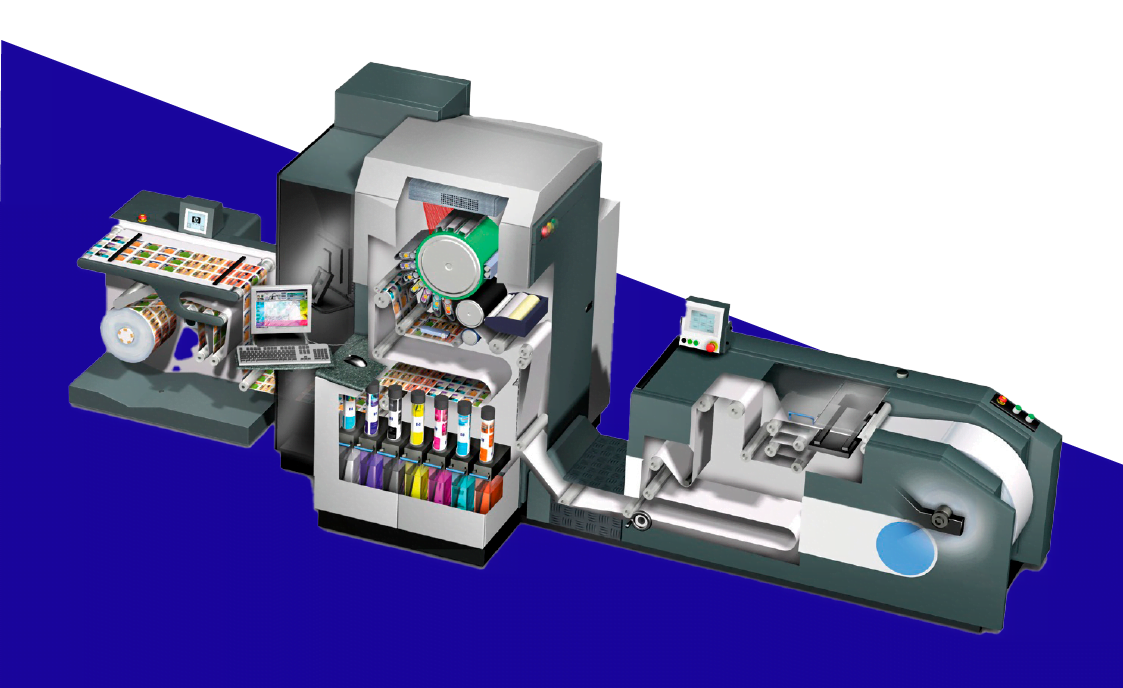
Digital printing is the process of printing digital-based images directly onto your package

Uses a thin aluminum plate to transfer your design onto the pouch 

Digital files such as PDFs, AI files, are sent directly to the printer. All designs are made from 5 ink colors: cyan, magenta, yellow and black (CMYK +White) 

Artwork is separated into ink colors. Both CMYK and true PMS Pantone Colors can be applied to the bag

Best for small projects that have many different designs. 

Provides maximum economies of scale to reach the lowest per-unit cost.  

MSpot matte / gloss and soft touch coatings.  

Use up to 10 colors 

Pros/Cons of Digital vs Plate printing

When deciding which printing process suits your business better, it’s important to look at the pros and cons for both printing processes. One may suit you better than the other depending on your company’s needs.

Plate Printing

Pros

Cons

Lowest per-unit cost

Metalized colors available

Minimum order quantities 5,000+

Most economical choice

Full range of print effects

One-Time Plate Costs

Spot Gloss & Spot Matte available

PMS ink colors can be used

Startups with lots of different designs could have a lot of plates. 

Works with any material

Most versatile printing method

Cell

Edge to Edge printing allows you to cover the entire bag with your design or color

Cell
Cell

Digital Printing

Pros

Cons

Zero Setup Costs but higher per unit costs

Great for high color count designs

Higher costs

Don’t want to commit to ordering thousands of customized packages

Best for trial runs to test your design in the market

Not advisable for higher quantities 

Perfect for smaller print runs

Frequent regulatory changes make bag designs obsolete quicker than you can use your bags

Unable to color 100% match PMS colors

Easier to print multiple versions of your design

Great for multiple SKUs (e.g. chocolate, vanilla and strawberry)

Cell

Short runs-as low as 1,000 bags

Quick turnaround time

Cell

No plate fees

Can be used with any material

Cell

Digital vs Plate Printing Conclusion

When deciding whether to use digital or plate printing, it is vital to understand the requirements of your business. If you want a large number of bags for a low cost and don’t mind paying a one-time plate fee, CarePac has you covered with their plate printing option. 

However, if you’re just starting out and don’t want to commit to ordering thousands of customized packages or you want to test out different designs in the market and don’t mind paying the higher cost, digital printing may be the best option for you! 


Selection of Lead Times:

Lead times can vary significantly depending on where you purchase your bags. If you’re thinking about purchasing from China, it’s important to remember you’ll likely have to wait over 3-4 months until you see your beautiful pouches. However, you shouldn’t have to wait that long if you’re ordering from one of the three U.S. based packaging companies we’re talking about today.
If ordering from ePac, they state that your pouches will be produced in 15 business days once your artwork is approved. Rollstock will be produced in 5 business days (once artwork is approved). Not a bad turnaround time for someone who needs bags quickly. However, they do not offer options to help decrease costs. 

If you’re considering ordering from Roastar, they estimate their lead times to be between 17-30 business days after artwork is approved. Roastar updates their lead times weekly so check out their website when you decide to order for the most up to date estimate. On some forums customers complain about how Roastar is unable to deliver on their lead times. 

When ordering from Carepac, customers can choose a 15 day, 30 day, or 60 day lead time depending on their wants and needs. Carepac is the only company to offer different lead times for customers who would like great bags but are willing to sacrifice one of two things. All of Carepac’s bags are high quality; however, you may be able to save some money if you’re willing to accept a longer lead time. You could also receive your bags more quickly if you’d like to spend a little extra. Carepac allows customers to make the best decisions for themselves, so you can get exactly what you want without having to sacrifice the quality of your bags! 


Ordering Process: 

Unless you know EXACTLY what you’d like to order and have knowledge on all things barrier material, it’s a great idea to get a consultation before ordering any packaging. Having a company that will send you samples is also a great way to ensure you are getting exactly what you want! 

CarePac and Roastar offer samples to customers and will provide a free consultation. All three companies we are comparing today allow you to easily request a quote online from their website; however, CarePac is the only company that can provide an instant estimate for you. 

Instant estimates through CarePac are best for start-ups or new buyers, getting a rough estimate, basic options, orders requesting 1,000 bags or if you don’t have any art or designs. If this sounds like you, head over to their website and get an instant estimate!

If you’re an established company, have art designs or graphics ready and want to order 5,000 bags or more, it's best to get a detailed quote. By receiving a detailed quote you will also be able to select advanced options for your packaging. 


Design Process:


Each company has a slightly different design process. Whether you’re a startup or an experienced packaging designer, it is almost always best to choose a company that will support you through the design process, especially if this is your first time using a new company. 


Roastar:

Roastar’s design process begins with getting an optional free quote. At stage one you will choose your type, size, and material to receive pricing. Next you will start your project, create your account and download templates. You can then create and upload your artwork. If you need a designer, you can use their directory and choose a designer. After this, you will receive and approve your proofs either digitally or physically. Place your order and watch for your bags to arrive!

 CarePac vs Competitors

ePac:

ePac’s design process is much simpler than Roastar’s and from what we could find, offers less support during the process than Roastar and CarePac (we’ll get to them in a minute). 

ePac’s process starts by requesting a quote. They will then approve your artwork, print and finish your packaging and ship your bags. They focus on providing bags quickly to customers; however, lack in support from designers or customer service representatives. 

 iHcaR4ZFsNRX0Udlpdlk73f0ETo6RxcwG0nB5yxw7AEL0iJ7pbQM1EctpKNnkgLCPZdWun9mWAMkIWUNnMLaOH51UsilcUGh ISP1uQHeq7NMIG3wlXVygxAuAkwBe X87JTV 4E CarePac vs Competitors


CarePac:

CarePac prides themselves on their exceptional customer service and support they provide to their customers. They are dedicated to providing you with the most support during your bag creation process. 

Their design process starts by providing you with an online quote either instantly or detailed. You will next select your size and configuration of your bags. Next you will approve your proofs with the help of a CarePac professional. You don’t even have to bring press ready art, they will take your original art files and set them up for printing during this step to ensure you get the best quality printing, and develop digital art proofs that you can revise. They will then print your materials and you can enjoy your new bags! 

How Stand Up Pouches are Made - Bags 101 (1)

Cost: 

Cost is an extremely important thing to consider when making any business decision. Customized bags vary in price depending on which printing method you decide, type of bag, bag features and size. 

CarePac is the only company out of the three we are comparing that will price match within 5% of any other quote so you don’t have to settle for an inferior product just to save money. 


Customer Service:


Customer service is extremely important in any industry and packaging is no exception. Deciding on materials, sizing, printing, features, and design can seem overwhelming almost instantly. Having a great, experienced team supporting you is vital to the success of your bags (and sanity). 

As mentioned above, ePac seems to have the least support when it comes to designing and creating your bags. They offer the quickest turnaround time compared to the other two companies; however, the lack of support may have you stuck with bags that aren’t right for your product. 

Roastar prides themselves on the creativity and design work of their bags. They allow you to pick one of their designers to help with artwork design but seem to offer little support when it comes to deciding what material is best for your product. While having an amazing design is super important, making sure your material holds up and keeps your product fresh is even more vital. People don’t like soggy popcorn! 

CarePac’s main focus is their customers. They reiterate how important customer service is to them on every page of their website. They will be with you through every stage of the packaging process from deciding which materials are best for your product to helping you design the best artwork. They also uphold their ethics with every customer they serve. If the professionals at CarePac know that a certain material will not work for the product you are packaging, they will not provide the bags. You can rest assured with CarePac you will get high quality, beautifully designed bags that are perfect for your product’s requirements.  


Roastar: Overview

Roastar has done an excellent job marketing their quick and easy packaging creation process while making the experience enjoyable. They offer personal help to businesses during the design process and are able to digitally print designs for their customers. They acknowledge that small business needs are different from a big corporation and offer quick turnaround times in order to get products on the shelves fast! 

Roastar offers many bag types including stand-up pouches, gusseted bags, flat-bottom pouches, flat pouches, and fill-n-ship mailers. Roastar is located in the United States and believes that small businesses can look big with their packaging!


ePac Flexibles: Overview

ePac is a relatively new player in the packaging space. Created in 2016, their mission has been to help small brands obtain a big brand presence while giving back to the communities they serve. ePac also aims to contribute to the creation of a more sustainable, circular economy. 

ePac currently has locations throughout the United States, Canada, and the United Kingdom. Once artwork is approved, orders will ship between 5-15 business days and customers can purchase low minimum quantities. They offer many bag types including lay flat pouches, stand up pouches, rollstock, child resistant packaging, films and sustainable packaging.


CarePac: Overview

CarePac is focused on making sure their customers are properly educated, guided and cared for through the entire packaging process. They are a California based company that focuses exclusively on flexible barrier packaging and putting the customer FIRST. They claim to offer deeper knowledge, better product selection, and higher quality service than any other packaging company in the market. Carepac guarantees that your bags will be done right through their CareDesign process to reflect your company’s values. They are a transparent, tell it like it is, company that ensures their customers receive exceptional customer service and great bags! 

CarePac is one of the only companies to offer both plate and digital printing and a variety of materials. They offer 10+ available features customers can add to their bags and have 14 different pouches to choose from. Customers can get exactly what they need to make their products stand out against the big guys with CarePac! 


What Packaging Company is the Best? 

While all companies we discussed today have similarities, Carepac is the best choice. Their exceptional customer service, wide variety of materials and bag choices, knowledgeable staff, and price matching promise makes them the top choice for any company looking to create custom printed bags. With Carepac, you’ll receive the best customer service in the packaging industry. Still skeptical? Give them a call todaycall today and see for yourself! 


Read More
Custom Coffee Packaging Custom Coffee Bags
Beverage Packaging

Everything You Need to Know About How to Choose Coffee Packaging

Everything You Need to Know

About How to Choose Coffee Packaging

Packaging is an essential process in your coffee business. It draws the attention of your potential customers and ensures the freshness of your coffee while it’s sitting on the shelf. After all your hard work finding the right beans and the right suppliers, you don’t want to make the common mistakes when selecting your packaging. This is why you need to be very purposeful when designing a package and choosing the right packaging provider. 


Of course, the packaging isn’t just about an attractive outlook of the bag — several factors need to be considered when packaging coffee. From the filling process, size and scale of your business, to your customer’s preferences, you must give your coffee packaging the proper attention it deserves.


Here is everything you need to know, so you can get it right when it comes to coffee packaging. Let’s dive right in!

Read More
custom quad seal bags Carepac offers including dog calming supplement and dog food packaging
Non Food Items Packaging

Best In Show: How to Create Organic Dog Treat Packaging That Stands Out

Best in Show: How to Create 

Organic Dog Treat Packaging

That Stands Out

organic dog treat packaging

Humans love dogs. Hence the old adage that dogs are a man’s best friend. That’s why pet owners want the best for their companions — healthy, tasty, and nutritious organic treats. Creating the best organic dog treats is one thing, but getting buyers to believe your product is the best is a different ball game. It all comes down to marketing. 

But how do you enhance your organic dog treat packaging to stand out? That is where excellent packaging that’s appealing and customer-centric comes in. Today, we’ll focus exclusively on how to create the best organic dog treat packaging that will stand out and convince customers to pick up your package. So let’s dive right in!


Premium dog food needs premium packaging

Untitled design 30 Best In Show: How to Create Organic Dog Treat Packaging That Stands Out

Dog enthusiasts want nothing but priceless treats for their pets. They wouldn’t want something that would easily go bad and possibly harm their pets. Furthermore, premium dog foods need premium packaging. You need to choose the right packaging materials to ensure your dog treats remain fresh, even after sitting on the store shelf.

Let’s face it, if a dog owner buys organic treats for their pet, and after a couple of days the treats are stale, or even worse, the treats have gone bad, and the dog gets sick, requiring costly medical attention, customers will undoubtedly be upset and never buy your product again. 

To avoid this, you need durable and resealable bags that would maintain the quality of your dog treats even after being opened. In addition, quality packaging will attract new customers and possibly turn them into loyal shoppers.


Using high barrier materials

pic4 3 Best In Show: How to Create Organic Dog Treat Packaging That Stands Out

You wouldn’t want to get it wrong, especially, after all the hassles in the refining processes, without forgetting the high costs. And that’s why without any doubt, you require packaging that uses high barrier materials to keep the dog treats safe while maintaining their quality.

A package made of high barrier materials protects the food treats against harmful external intruders, such as moisture and unpleasant odors. The barrier is always made of a thick protective layer, which keeps your treats fresh and appealing. It also ensures the flavors are intact, so the treats maintain their taste.

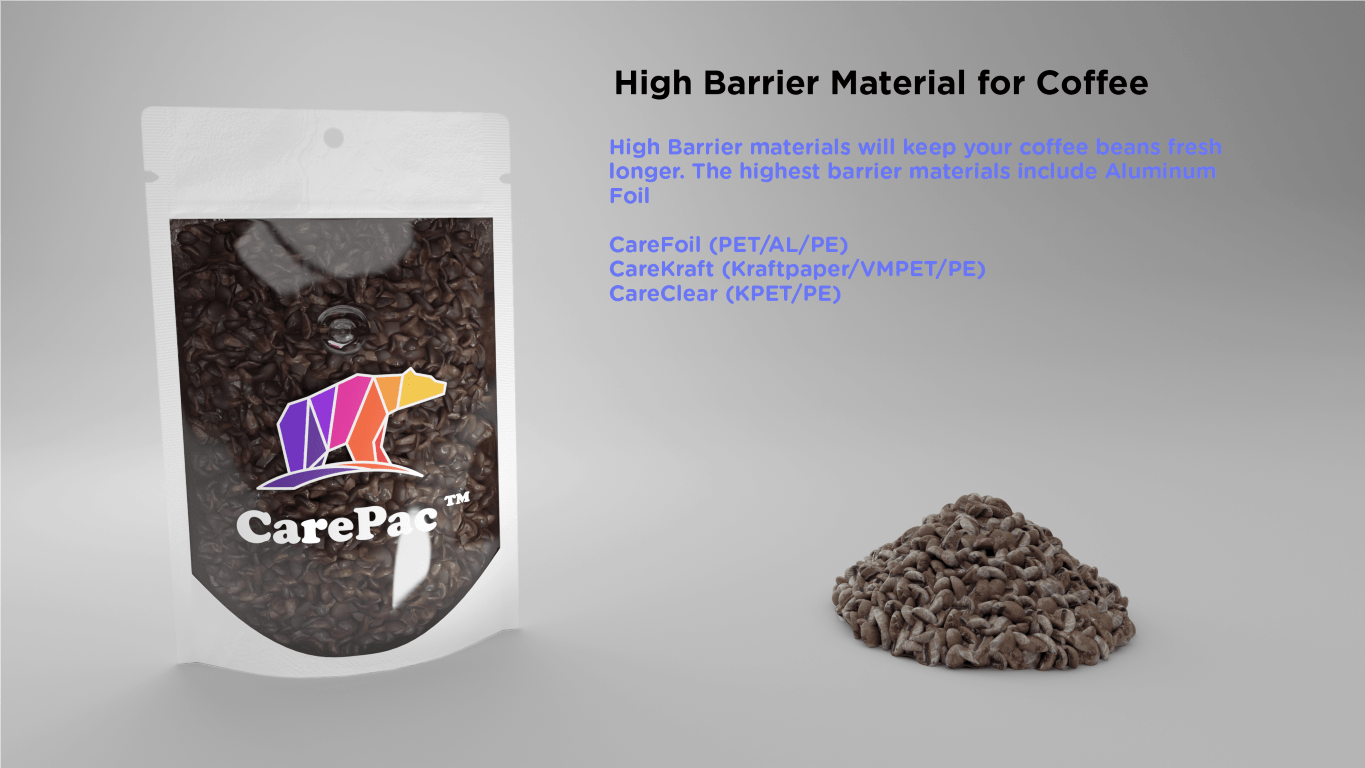
For example, CareFoil has a very high barrier to oxygen and moisture. It has a strong protective layer that doesn’t allow oxygen or any amount of moisture to penetrate through. With such grade A materials that assure safety, you’ll be certain to keep your treats fresh and appealing.


Differentiate yourself from competition

Every business wants to be unique — they want their product to have a core differentiator. Your dog treats are no exception. They shouldn’t look similar to your competitors’ brands. With so many organic dog treat brands out there, you need to be on top of your game to get ahead of the rest. Customers don’t want plain or cluttered packaging designs. That would look unattractive and low quality, hence putting them off.

A unique design tailored according to the culture of your business, and perhaps your targeted audience will help you sell more dog treats. You need great images with bright color schemes, pretty accents, and engaging fonts.

Above all, you should ensure that your organic dog treat packaging is appealing to the eye as customers buy with their eyes.


Build a strong brand reputation

Customers are the backbone of your business. Their view of your brand matters. And it’s no lie that one unsatisfied customer can walk away with thousands of others. You, therefore, need to give utmost attention to the quality of your dog treats. 


For example, Coca-cola has a unique, admirable, and selling appearance, which goes hand in hand with the quality of their products. They have always ensured high quality in their products, and that explains their dominance in the market for such a long period of time.


In online market platforms such as Amazon, it’s all about customer reviews. Good reviews will sell your dog treats, while negative reviews will, on the other hand, shun away thousands of potential customers, even those who can afford to pay a pretty penny for organic dog treats.


And remember that a customer’s perception is always right. Their perception may not be accurate, but consumers still carry a lot of power, especially in the current digital market. So you shouldn’t hesitate to provide remarkably high-quality organic treats packaging.


Use your packaging as marketing and remarketing opportunities

pic1 Best In Show: How to Create Organic Dog Treat Packaging That Stands Out

It is an undeniable fact that packaging plays a significant role in marketing products. It is what arouses a potential buyer’s curiosity and invites them to pick your product over others, specifically on the competitive store shelves. You, therefore, need to create a packaging that will market and re-market your dog treats and brand in general, even while being consumed.

You can do this by customizing your packages with unique configurations, such as brand logos that will enable your customers to distinguish your dog treat products from competitor’s brands. You can also consider stand up pouches, packages with valves to let the smell or the treat aroma out, especially to entice the dog.

Ensure that your package uses high barrier materials to preserve the dog treats and maintain freshness. Re-closable packages such as square bottom bags are also a good option to keep the dog treats fresh even during consumption. Plus, they’re customer-friendly due to their ease of opening and stronger re-seal.


CarePac Helps You Choose the Right Organic Dog Treat Packaging

Ultimately, creating top organic dog treat packaging calls for an outstanding appearance to draw customer’s attention, maintain and preserve your dog treats. You should be concerned about the outward impression of your products as much as you are about the quality and condition of the food itself.

Do you have any questions or need to learn more? Feel free to contact us for a free consultation with our experts. You can also check our online price estimating tool if you need quick custom printed pouches for your organic dog treats.

Read More
flexible packaging
Flexible Barrier Packaging

12 Questions to Ask Your Flexible Packaging Provider Company

Bag Manufacturer Questions

To succeed in the manufacturing industry, you need to be a team player. One significant member of your larger team will be your flexible packaging manufacturer. As you design your bags, it is good to think about the person you will entrust to make them for you. Here's a few qualities your flexible packaging manufacturer should have and some essential bag manufacturer questions you should ask before purchasing packaging solutions.
Coffee printing 30 12 Questions to Ask Your Flexible Packaging Provider Company

In this article, we will guide you on the 12 essential bag manufacturer questions to ask about their manufacturing process and technologies before buying. With the answers to these bag manufacturer questions, you will determine if a bag maker can give you a good deal or not. You'll also learn a little more about their packaging technologies  and solutions. If you're interested in learning about mistakes to avoid when designing your own packaging, check out our article here where we round up the top 10 mistakes companies make when creating packaging dielines. 

Here are the questions you should ask you flexible packaging supplier or flexible packaging company today.
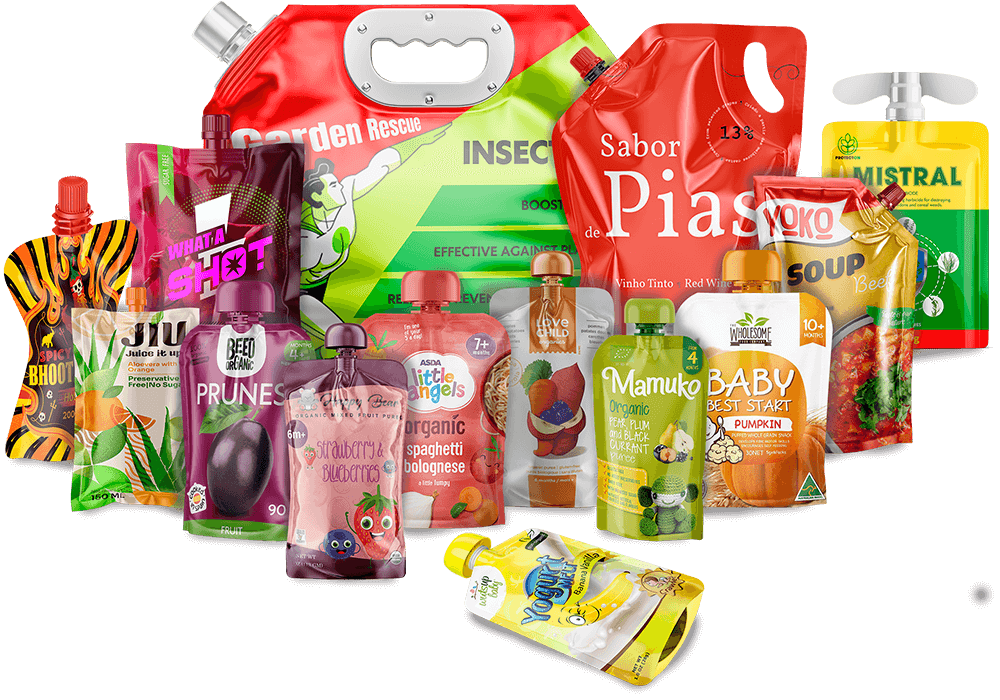
Custom Cosmetic Packaging FAQs

Whether you are new to custom printed packaging or a seasoned pro you may have a few questions about our products and process.

Q: What Minimum Order Quantity Can I Place for Packaging?

At Carepac, we give our customers two choices for the minimum quantity orders they can place. If you are ordering digital printed bags, we allow a minimum order of as few as 100 pieces. (yes 100 printed bags!) 

In addition, when ordering the plate printed bags, the least number you can order is 5,000. If you want to know how much your order will cost you, we have an Quick Quote to give you your price.

Q: Can You Fully Customize? Are You Flexible?

Unlike most of our competitors, who do not allow a fully customized bag, we will let you choose your unique design to suit your taste and budget. When you pick from set sizes, you may pay more for features you do not need, making your bags more costly in the end. Whether you're looking for flexible beverage packagingsustainable food packaging, flexible food packaging, flexible plastic packaging, or flexible cosmetic packaging, this is important. 

At Carepac, we understand your products may be unique, needing unique packing, or you may have a special request from a client to package for them in a particular way. That is why we allow you to choose your design, and then we customize your bags.

Q: Are Your Bag Making Raw Materials and Practices Approved?

Carepac uses only FDA-approved materials.

Q: How Many Bags Do I Need to Buy to Get to XX Price Per Unit?

Do you have a specific amount to spend on bags? Are you thinking about the cost of your bags per unit? Whatever you have in mind regarding the cost of your order, we have a solution for you. Using the Carepac Instant Online Calculator, you will know the estimated cost of your order or your price per unit. 

Q: Does Your Company Offer Help With Design Services? If So, May I Ask the Fee? 

Carepac does not charge a consultation fee for your art. We offer free consultation and art setup support for our customers.

Q: How Soon Can I Have The Bags in Hand from the Provider?

When placing your order, you can choose if you want the bags done in 15 or more working days, depending on the urgency of your order. However, this may not be inclusive of the shipping time, which may depend on your location and the shipping company.
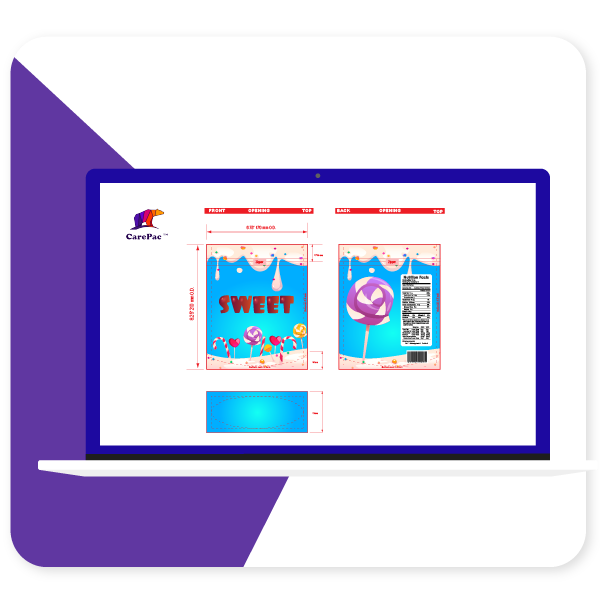
Q: What does Production Time Include?

Production time includes the time we take to complete making your bags. The time it takes for the order to leave our premises and get to your door is not included. 

This is because we may not control the shipment of your order since that largely depends on the efficiency of the shipping company. As you order your bags, we advise you to factor in freight time so that you do not run out of supplies awaiting the bags to arrive.

Q: Can I Talk to Your Representative about My Order? Is All Communication Through Email only?

Carepac understands your design is important to you and that you want it done right. We, therefore, offer free consultation so that you can explain what you want to our designers. 

Our bags experts are always available to discuss your order to ensure you get your art right. You can call, email, or visit our offices for a free consultation with them.

Q: Do I Need to Have an Art File to Get a Quote from Your Business?

An art file may help us to give you a more accurate quote. However, even without an art file, you can get a free estimate using our quick online calculator.

Q: What Type of Format Should My Pouches Design Be in?

Industry best practices demand the use of Adobe Illustrator for the best results. You may use other formats like Inkscape, Photoshop, EPS, SVG, and Canva, but they do not give the best results. 

We also advise you to use vector files do not lose configuration when enlarged or minimized. They produce uniform results on big and small pieces. Here are some of the design mistakes you should avoid.

CarePac logo white 12 Questions to Ask Your Flexible Packaging Provider Company

Getting in touch with Carepac

What kind of bags do you need to package your products? Maybe you already know, or you are not yet sure. Get in touch with CarePac bag experts for a free consultation on your bag design art.  

We will also give you free art setup support to help you get it right. You can also visit our website to calculate your unit price or the estimated cost of your order. We offer pocket-friendly rates while upholding high qualities for all our orders. Besides, we offer low minimum orders, unmatched customer services and a 5% price match guarantee. If your business is especially bootstrapped, we've compiled tips for how to reduce packaging costs here.

Contact us now!
Read More
Untitled design 28 Get Your Package Designs Right with Pantone Color Numbers
Packaging Design

Get Your Package Designs Right with Pantone Color Numbers

What does “getting the colors right” really mean when you design packaging? You know from experience that it means not only getting it right on the screen but when printed, not only when printed once but every time, and not only by one printer but all your suppliers wherever they are located. Whether used on a logo, package, or instruction brochure, the right color is essential to the brand because “brand” means continuity, consistency, and quality. At CarePac, we use the Pantone Color system to get your bags done right.


Color interpretation

For all our personal familiarity with color, of course—its emotional meaning to us, its stimulative qualities, and its evocation of memories—we all perceive colors slightly differently. Most often it is not the basic colors but the huge variations in shades that drive those disagreements, even arguments, about what color we are seeing. There are now thousands of colors available to use in creating packaging, so there is plenty of room for diverging perceptions.


So the challenge of getting the colors right is not when we are standing beside someone and looking at a swatch, but, instead, conveying that precise color to multiple printers, often in different countries, sometimes in different languages. And doing so over decades of changes in our suppliers.


These are the kind of challenges that gave rise to the Pantone color sets and the systems for using them in any possible context. Pantone identifies thousands of colors, in different sets for different applications, by letters and numbers to create a unique tag for every color.

Untitled design 28 Get Your Package Designs Right with Pantone Color Numbers


Multiple materials

These different color sets specify and communicate color across different industries. For example, the Pantone Plus Series is based on graphic/printing ink and for half-a-century has constituted the Pantone Matching System (PMS). Each of the colors is specified with numbers and a suffix (for example, “C” or “U” to specify if the color is printed on coated or uncoated paper). Depending upon the paper, a Pantone color can look quite different when printed. The number and the suffix get the color right.


The only exception to this number-and-suffix system are the 18 Pantone Basic Colors (base inks) used to mix the rest of the colors. The basic colors have names such as Pantone Yellow. Another Pantone color system well worth mentioning is the Fashion Home + Interior Guides (FHI). The system is based on specifying textiles: paper (TPG) or cotton (TCX). Again, depending upon the material you are working with, you would choose the guide on which you want to visually see the color.


Thus, when you work with multiple materials and naturally want to achieve precisely the right color in final production, the pantone number makes possible complete satisfaction with the results. The reason is that the Pantone physical color reference guides, and also the Pantone digital tools for searches and matching, let you see before the printing and manufacturing process begins precisely the color you will get—and convey your choice unmistakably to everyone in the production process.


Multiple suppliers

Using different suppliers to produce your packaging and other brand materials inevitable entails some variations in the equipment and processes that will be involved. That means that the resulting color can be considerably different from supplier to supplier. The Pantone system of color tools—physical, digital, and cloud-based—enables you to specify unambiguously a single desired outcome for all those involved. The number given to any color tells the same story in every language, every culture.


Of course, if you can assign your production to a single supplier and use that supplier repeatedly, the process of communication and the opportunities for inconsistent results are greatly reduced. But for most companies the printing of a logo, packaging, and other brand-related materials must be repeated constantly. And as the company grows and production runs become larger and larger—and perhaps are most efficiently done in other countries—the color problem arises, again. Color measurement and evaluation tools from Pantone and its parent company, X-Rite, make it possible to achieve consistent color from run to run, no matter when or where it is produced. Pantone’s color measurement and evaluation tools mean precision and consistency in your color run after run in any location.


Pantones and digital printing

It is highly likely that your design process, today, is in large measure digital whether you are creating real-world or online designs. That means, you want to preserve color accuracy and consistency in moving between digital and physical environments. Pantone has the tools you need to move easily and confidently between those two worlds—to translate a brand’s printed colors into a website design and know how your website designs will look in physical form. Pantone Connect is a new digital platform that gives you immediate access to every Pantone Color in every Pantone Library. The Pantone color sets we discussed—and many more—are there.


Onscreen color is produced by a red-green-blue (RGB) system, mixing those primary colors to create others. But when you print from the screen, the resulting colors are produced by CMYK, which is called “four-color process” because it uses Cyan (C), Magenta (M), Yellow (Y) and Black (K). The problem is that RGB and CMYK colors do not precisely match. Pantone has all the tools you need to make the translation again and again to achieve the same results in both environments.  


At Carepac we rely on Pantone

At Carepac, we use the Pantone color systems and tools in designing our bags for the spectrum of companies that seek excellent, consistent, distinctive packaging for their products.


Your next step in getting the color for your packaging every time is to reached out to the Carepac team of bag experts for all the support you need on art design. There is a Carepac bag for virtually any product you want to package efficiently, imaginatively, and for optimal marketing impact and sales. We are ready to discuss your individual needs at every step of the package planning, design, and production process.


Be sure to check back here for the latest information, insights, and updates.


Meanwhile, don’t be a stranger. Follow us any day on Twitter for new ideas, offers, and advice on getting your product in the right package.

Read More