FDA 03 1 Meeting Food Safety Standards for Large-Scale Distribution
Food Industry Packaging, Other Packaging Topics

Meeting Food Safety Standards for Large-Scale Distribution

$0.00
Cart

No products in the cart.

round account button with user insidegrey Meeting Food Safety Standards for Large-Scale Distribution

Meeting Food Safety Standards for Large-Scale Distribution

Why Food Safety Standards Matter for Large-Scale Distribution

Food safety is critical for large-scale operations because it protects consumers from potential hazards, can help prevent cross contamination, and reduce the likelihood of food-borne illnesses from inefficient processes or dirty equipment. Not only do food safety regulations protect consumers, but good manufacturing practices can protect food manufacturing companies from legal repercussions and severe damage to their reputation. 

Regular inspections, refresher training courses, adhering to regulatory requirements, routine pest control, proper storage processes, equipment inspections, and good record keeping can reduce food safety risks and enhance consumer trust. Risks of non-compliance with established regulations for food manufacturing facilities include product recalls, health hazards due to an increased risk of cross contamination, legal issues, and a loss of consumer trust. 

Food Safety 01 Meeting Food Safety Standards for Large-Scale Distribution
Food Safety 02 Meeting Food Safety Standards for Large-Scale Distribution

Fortunately, a comprehensive food safety manufacturing plan, including proper packaging and distribution practices across the food industry, is essential to preventing food-borne illnesses and maintaining consumer confidence. Even if your customer will end up cooking the food, the bulk of food safety falls on food manufacturing companies.

Key Food Safety Regulations for Large-Scale Distribution

Major food safety regulatory bodies in the United States include the FDA, USDA, and the Food Safety Modernization Act. These regulatory bodies provide general guidelines for food safety across many aspects of the food industry, including food production and food manufacturing, how raw materials are handled during manufacturing and distribution, and safe food handling practices. Below we'll discuss a little more about these food safety procedures and processes.

FDA Food Safety Standards

The food safety guidelines outlined by the FDA focus on proper food manufacturing processes, including sanitation, hazard analysis, and critical control points for food production facilities. The FDA has very specific regulations for different food categories, including seafood, juice, frozen food, and quality standards for other foods. They also regulate the proper temperature a food thermometer needs to reach to prevent foodborne illnesses and things like avoid thawing chicken under cold water.

Food Safety Modernization Act (FSMA)

The Food Safety Modernization Act requires food facilities to develop and implement food safety plans and tips with hazard analysis and risk-based preventive controls. Key components of the FSMA include regulations for handling fresh produce and specific food safety temperatures during transportation.

USDA Food Safety Requirements for Meat, Poultry, and Dairy

The USDA food safety regulations focus on meat, poultry, and dairy specifically. Their corrective actions include mandatory inspections of meat and poultry processing plants, which includes pathogen testing and grading based on manufacturing quality. Not only do they focus on the food production process, but they also have strict guidelines for distribution of food products, so the meat, poultry, and dairy products are regulated throughout the supply chain.

Food Safety 03 Meeting Food Safety Standards for Large-Scale Distribution

Food Safety Packaging Best Practices for the Food Industry

When it comes to food packaging and safety, specifically, there are several food safety best practices to keep in mind. These are intended to protect the safety and quality of food products as they make their way through the supply chain. Below are a few things to keep in mind:

Food Safety 04 Meeting Food Safety Standards for Large-Scale Distribution

Choose the Right Packaging Materials

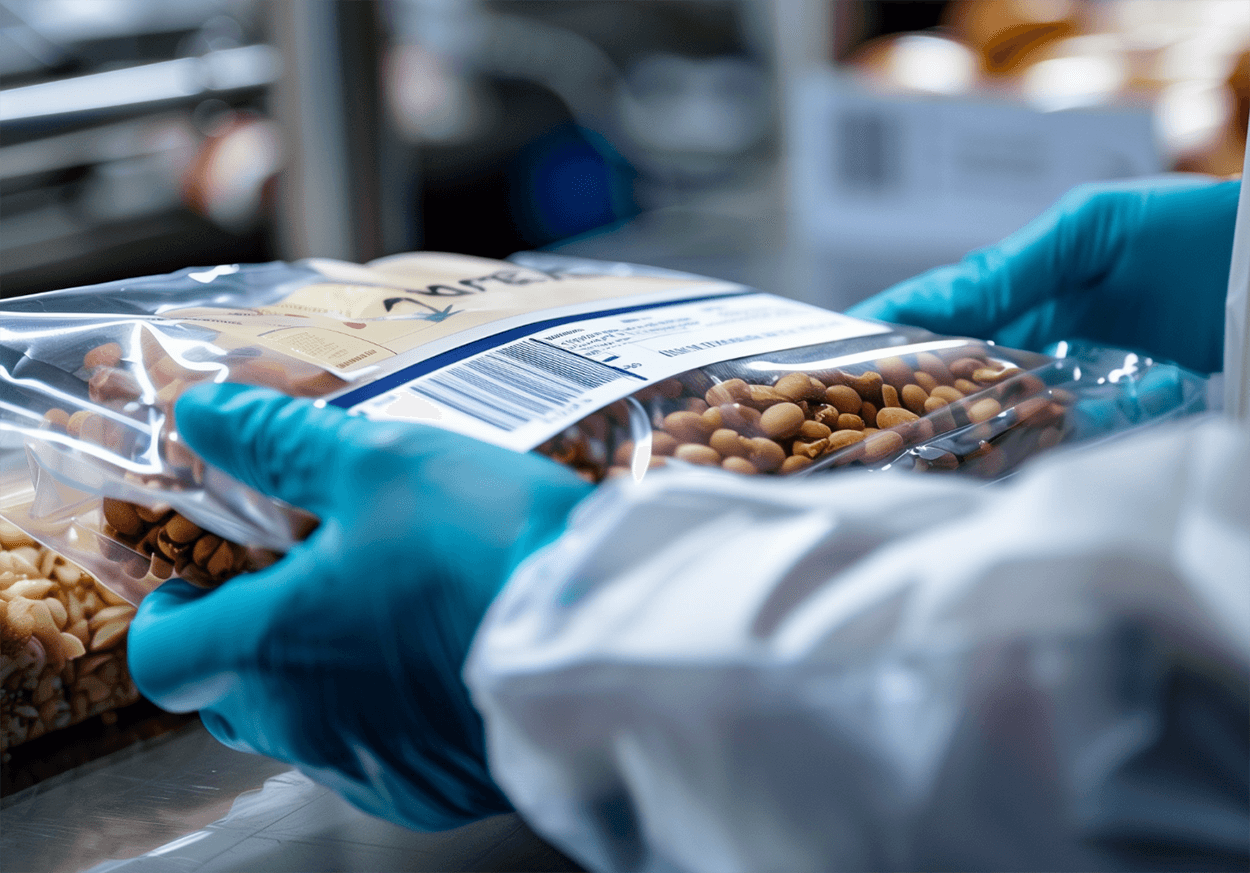
To adhere to the critical control points for food packaging, you'll need to choose packaging that's FDA-approved, durable, and leak-proof. Proper packaging can prevent raw materials from coming into contact with each other during transport and protects things like fresh beef and dietary supplements from spoilage during transport. Browse our materials here.

Food Safety 05 Meeting Food Safety Standards for Large-Scale Distribution

Pay Attention to Barrier Properties

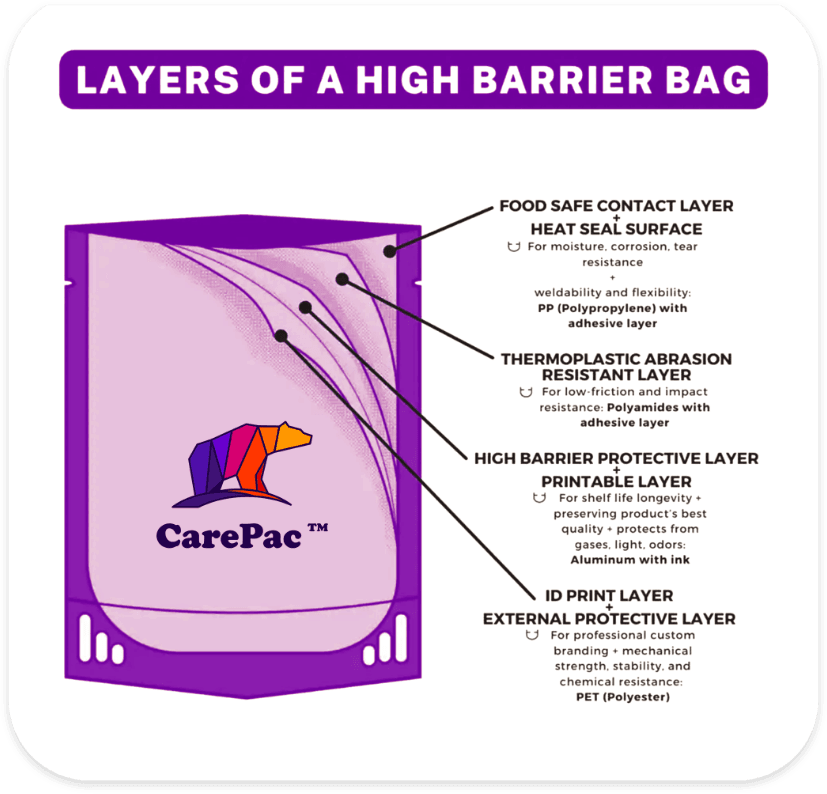
By selecting the appropriate barrier properties, you can prevent moisture, oxygen exposure, and contamination. After all, what's the point of going through risk assessment, training programs, and maintaining proper hygiene and equipment safety at the food manufacturing plant if your transport and storage practices cause the food to spoil before arrival?

Use Tamper-Proof and Resealable Features

Another important thing to keep in mind is adding tamper-proof or resealable features to your packaging. Although these safety standards aren't mandated by the FDA or USDA, it can enhance food security during transit and throughout the food supply chain. The best food defense is taking the extra steps during both transport and during the manufacturing process.

Food Safety 06 Meeting Food Safety Standards for Large-Scale Distribution

Preventing Contamination & Ensuring Safety Throughout Food Production & Distribution

There are several food safety best practices to keep in mind as you package and distribute your product, whether you're producing raw materials like flour or sugar or processed food products that are ready-to-eat. These corrective actions and internal processes can help ensure your products meet safety standards and protect the American food supply chain from major issues.

Temperature control & cold chain logistics

Ensuring proper temperature control and cold chain logistics throughout your operations can help keep perishable foods safe. Even if your customers will be cooking food to the appropriate temperature before eating, the responsibility still falls on you to maintain the proper temperature of your finished products during transport.

Proper storage & handling

If you haven't already, you'll need to come up with standards to help avoid cross-contamination in warehouses. Some standards to consider include how to handle dirty cutting boards, if your employees need to change clothes after coming in contact with certain raw materials, hygiene standards for your employees and contractors, washing hands with soapy water, ensuring running water in your facility is clean, and outlining other operations processes you can think of.

Labeling & tracking

Another thing you'll need to ensure is accurate food product identification for consumers. Do your labels outline proper cooking instructions? Does it provide tips for keeping the food fresh and safe? Food safety might start with the individuals in the food manufacturing industry, but it ends with the consumer. Make sure they have the hygiene and sanitation tips they need for proper cooking, storage, or consumption.

Food Safety 07 Meeting Food Safety Standards for Large-Scale Distribution

How CarePac Helps You Meet Food Safety Manufacturing Standards

When it comes to food safety, compliance with food manufacturing regulations isn't just important—it’s essential. Our food-safe packaging solutions are designed to help food manufacturing businesses meet strict FDA, USDA, and other industry standards. Our packaging is made from food-grade materials that meet regulatory requirements and will protect your food products against product contamination. This way, your food products stay safe for consumption throughout their life cycle. 

Food Safety 08 Meeting Food Safety Standards for Large-Scale Distribution
Food Safety 10 Meeting Food Safety Standards for Large-Scale Distribution

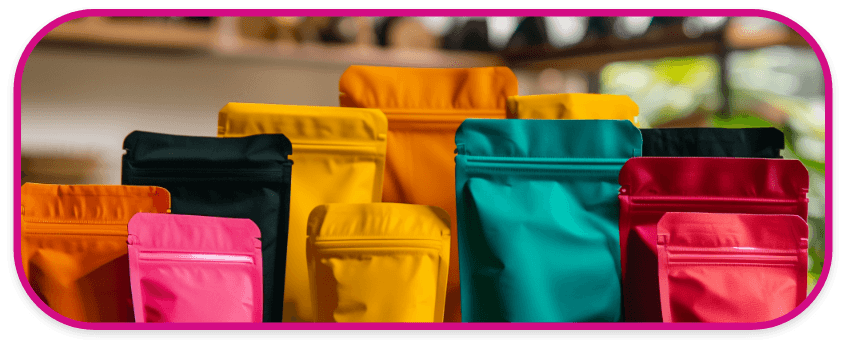
We're proud to provide custom packaging solutions for large-scale food distributors, whether you need packaging for bulk food distribution, ready-to-eat meals, or fresh food products, like fruits and vegetables. Choose barrier films, resealable pouches, and tamper-evident options to ensure the safety and quality of your food after manufacturing. 

Don't leave the safety and quality of your food to chance. Contact us today to find the right packaging solutions that will keep your business compliant and customers safe.

Packaging for Food Safety: FAQs

Here are some common questions we receive about food safety and how it is impacted by proper packaging.

Q: What kind of packaging is best for food safety?

The best packaging for food safety should have strong barrier properties. Materials like PER, HHDPE, and PP can enhance food safety while providing you with plenty of customization options that will help your product stand out on the shelves.

Q: What is the safest food packaging?

If you're concerned about food safety, the best packaging for food safety is airtight, non-porous, and made from materials like glass, stainless steel, or food-grade plastic. CarePac can help you enhance your food safety with our premium packaging.

Lets Get Started

united states of america Meeting Food Safety Standards for Large-Scale Distribution

Made In
The USA

customize Meeting Food Safety Standards for Large-Scale Distribution

Full Pouch
Customization

printer 1 Meeting Food Safety Standards for Large-Scale Distribution

Scalable Printing
Digital & Plate

Read More
10 FDA Food Packaging Requirements
Packaging Design

FDA Food Packaging Requirements

Carepac Logo black FDA Food Packaging Requirements
$0.00
Cart

No products in the cart.

round account button with user insidegrey FDA Food Packaging Requirements
Carepac Logo white FDA Food Packaging Requirements

FDA Food Packaging Requirements: What You Need to Know

What Are FDA Food Packaging Requirements?

The FDA regulates many aspects of the food supply chain, including how food products are packaged, labeled, and prepared. The FDA's food packaging requirements ensure that food does not become contaminated by its cardboard or plastic packaging, is safe for consumers to eat, and doesn't pose a health risk. This impacts packaging suppliers directly since this requirement regulates direct food additives and contact substances and ensures that food labels and packaging doesn't change the food's smell, taste, or composition. 

Although the FDA does not require testing for all of its requirements, typically testing or vendor assurances are permitted for its packaging regulations for food products. In order to be FDA compliant, the FDA requires tests to ensure that the packaging material is safe for use in contact with food.

FDA 01 FDA Food Packaging Requirements
FDA 02 FDA Food Packaging Requirements

Considerations when selling food products in the Global Market

As you might imagine the FDA is not the only regulator of food products in the world. While the FDA has stringent standards there are other regulatory bodies that you should be aware of that also will regulate your food, its labeling, and container packaging. 

Key FDA Regulations for Food Packaging Materials

There are several specific regulations the FDA requires food packaging providers to comply with, these regulations are found in the CFR Code of Federal Regulations. There are various regulations from food contact material requirements, to nutrition facts label requirements, and the requirements for other information panel contents.

Understanding FDA’s CFR Parts 170-199

The FDA's Code of Federal Regulations (CFR) Parts 170-199 are a set of rules and regulations that govern food products and drugs intended for human consumption. These parts focus on direct and indirect food additives, food additive petitions, and irradiation of food. These regulations are generally recognized as the holy grail of FDA regulations for food packaging suppliers.

The CFRs worth noting for food contact are found in Title 21 and include: 

Food Contact Substances and Indirect Food Contact Materials

Food contact substances are exactly what they sound like: materials that come into direct contact with food during processing, packaging, transport, or storage. These substances are generally recognized as coatings, adhesives, and the packaging materials themselves. Indirect food contact materials are substances that do not directly touch food, but may still transfer to the food through migration. Examples of indirect food additives include inks, adhesives, and processing equipment coatings.

FDA 03 FDA Food Packaging Requirements

Notifications and FDA Approval Process

Food packaging manufacturers that want FDA approval for a new food contact materials must comply with the complicated food contact notification process outlined by the FCN program. This process means manufacturers need to notify the FDA of their intent to use a new substance in food packaging. The steps of this notification process are as follows: safety assessment and testing, submission of notification, an FDA review period, and final authorization.

FDA 04 FDA Food Packaging Requirements

How FDA Regulations Impact Packaging Design and Manufacturing

In this section, we'll discuss how the FDA's regulations impact the design and manufacturing of your product packaging and how manufacturers and suppliers can ensure your packaging is FDA compliant.

FDA 05 FDA Food Packaging Requirements

Packaging Materials Approved by the FDA

There are several materials that are approved by the FDA for food contact applications, including plastics, metals, glass, and paper and paperboard. Flexible barrier packaging, which combines several layers of these materials, is a great option: not only does it meet the FDA's requirements but it offers superior protection against moisture, oxygen, the elements, and other contaminants.

CarePac is committed to providing safe, compliant, and quality flexible barrier packaging solutions for your food packaging needs. We utilize FDA-approved materials that adhere to regulatory standards and are free from chemical or food additives.


Why Meeting FDA Food Packaging Requirements is Critical for Consumers

Meeting FDA food packaging requirements is critical for consumers because, at its core, it protects them from harm. Since these regulations prevent harmful substances from contaminated food, this means that the food consumers consume won't pose a health risk. By complying to these regulations, not only are you avoiding litigation due to non-compliance, but you're helping to build trust with your customers. This can help re-enforce your brand reputation.

Steps to Ensure FDA Compliance for Your Packaging

Ensuring that food packaging meets FDA food packaging requirements is essential for consumer safety and the compliance of your company. Here's a quick checklist that can help you navigate the regulatory process effectively: 

  • Identify applicable FDA regulations
  • Select safe and approved materials and substances
  • Conduct in-house safety and migration testing
  • Submit documentation for FDA review
  • Maintain ongoing compliance by establishing an internal audit process

By following these steps, you can ensure that your packaging materials meet the requirements outlined by the FDA. Additionally, the food itself should be free from harmful additives and the packaging may need to include a nutrition facts label that outlines things like saturated fat, the net quantity that's inside the bag, and total fat.

FDA 06 FDA Food Packaging Requirements
FDA 07 FDA Food Packaging Requirements

How CarePac Helps Packaging Manufacturers Meet FDA Requirements

If meeting these regulations seems complex, it certainly can be. Fortunately, we can help. Our family-owned flexible packaging company specializes in custom printed barrier packaging for a variety of industries, including the food and beverage industry. By utilizing FDA-approved materials and adhering to regulatory standards, we can help ensure that your packaging is safe for direct food contact. This enables you to maintain compliance while delivering your high-quality product to consumers.

Let's Get Started

united states of america FDA Food Packaging Requirements

Made In
The USA

customize FDA Food Packaging Requirements

Full Pouch
Customization

printer 1 FDA Food Packaging Requirements

Scalable Printing
Digital & Plate

Read More
Food-grade flexible barrier pouch for long-lasting freshness.
Packaging Design

How to Master the Packaging Design Process

Carepac Logo black How to Master the Packaging Design Process
$0.00
Cart

No products in the cart.

round account button with user insidegrey How to Master the Packaging Design Process
Carepac Logo white How to Master the Packaging Design Process

How to Master the Packaging Design Process: A Complete Guide for Businesses

Introduction to the Packaging Design Process

The packaging design process is critical for businesses, since the outer packaging of your product is often the first thing your target market sees. Whether they're walking past your product at retail stores or opening their Amazon package, more and more customers seek out attractive visual elements in product packaging. Fortunately, your design production team can make a huge impact on the final version of your retail packaging with these design packaging tips.

In this blog, you'll discover a complete guide to the packaging design process for businesses of all sizes and in all industries. Learn how to create an impactful packaging design strategy that attracts customers and elevates your brand. From graphic design tips and the package printing process to the structural integrity of your packaging, here's everything you need to know about the packaging design process.

Packaging Design 01 How to Master the Packaging Design Process
Packaging Design 02 How to Master the Packaging Design Process

Why Packaging Design Matters

There are several key cold chain challenges, including maintaining temperature integrity, preventing condensation and moisture damage, and ensuring compliance with industry standards. We'll cover each of these cold supply chain challenges more in-depth below.

The design of your product packaging can make or break the success of your product. As mentioned, your packaging design is often the first thing your target audience sees as they walk through their local store, and over 70% of customers agree that the packaging design (i.e., font style and other elements of the finished art) influences their purchasing decision. 

Whether you're just barely starting market research for your packaging design or have been crafting outer and inner packaging for decades, there are a few key things and creative ideas to keep in mind before you sign off on the final packaging for your product.

Step-by-Step Packaging Design Process

When it comes to the packaging design process, there are quite a few things any packaging design project will need to focus on. Below, we'll discuss the step-by-step packaging process in depth so your packaging designer can make sure the final design will protect your product and "wow" your target customer.

Define Your Goals

Your packaging design should align with your business objectives. The print ready files should stick to your brand guidelines, and if things like being eco-friendly are important to your organization then you should seek out sustainable packaging options. Remember: your product packaging is an extension of your brand, so your packaging should tell your brand story.

Research Your Competitors

This is one area where your marketing team can really help you out. They have probably already analyzed your competitors to identify opportunities for differentiation with your positioning details and graphic imagery. Yes, your overall design strategy and concept development should discuss your brand story in depth, but it needs to do so in a way that will help you stand apart from the competition, regardless of your core sales channels.

Create the Dieline

Once you've finalized your packaging design ideas, it's time to create your dieline. A dieline is a template, often times in Adobe Illustrator, that allows you to be as creative as you'd like with your product packaging design while still falling within the appropriate dimensions of the final packaging. A dieline outlines the cut lines and other fold and glue lines of your packaging boxes, so there's no surprises when you receive the final packaging or test print.

Prototype and Test Your Packaging Design

Prototyping is an often overlooked part of the packaging design process. By getting real feedback from your target audience, you can further refine your project objectives and shipping features to align with what you learned during your in-depth client research. Every good packaging company or design team will encourage prototyping and testing so your product packaging incorporates real life feedback. It starts with getting the usage contact information from your customers and using that post packaging feedback to refine your product.

Understand Your Audience

If your project manager hasn't already done style research or market research to truly understand what your finished package should look like, now is the time to incorporate that into your package designing process. Tailor your packaging design to appeal to your target customers, and talk about key messaging instructions for each industry. (Ex: if you're a cosmetic company, make sure your visually appealing packaging discusses things important to your brand identity, like animal testing and product lifespan.)

Choose the Right Packaging Material

Regardless of what you're packaging, your packaging project manager can help you choose the right packaging material. This is actually one of the most important parts of the packaging design process, as the wrong material could cause your product to break or spoil, completely ruining the creative magic of your packaging design. We offer several different packaging materials, including foil barrier films and compostable options. We also offer several options for FDA-approved food packaging, so let your packaging designer know if this is a non-negotiable.

Finalize Your Packaging Design

Once you have the dieline that clearly outlines the cut lines and offset printing instructions, it's time to create mockups for your design team to review. During this design phase, you'll be making sure your packaging design aligns with branding. CarePac can support custom designs with low MOQs, so you can test new package printing ideas without having to worry about budget. Regardless of your desired price range, we can try to ensure our design concepts will fall within the range.

Approve and Produce the Product Packaging Design

Now that your graphic designer has designed packaging that aligns with your brand identity, the next step of the packaging design process is to send your design concepts to the printing press! The printing process is a relatively quick part of design packaging, but the timeline does depend on the printing technique selected. For example, using printing plates might take a little longer than digital printing. To explore the pros and cons of your different package printing options, click here.

CarePac Can Help with Packaging Design

Regardless of your current sales channels or where you're at in the design process, we can help you finalize and perfect your packaging design. We specialize in providing custom packaging design solutions that spans the entire packaging lifecycle, from design and development to manufacturing. Our graphic designer will work with you to ensure that your packaging design is aesthetically pleasing, and our packaging experts will make sure it's functional, protective, and cost-effective. 

Our deep knowledge of material selection, design optimization, and production capabilities enables us to deliver packaging design solutions that will enhance product presentation, reduce costs, and ensure sustainability. Ready to get started with your packaging design?

Packaging Design 03 How to Master the Packaging Design Process

Lets Get Started

united states of america How to Master the Packaging Design Process

Made In
The USA

customize How to Master the Packaging Design Process

Full Pouch
Customization

printer 1 How to Master the Packaging Design Process

Scalable Printing
Digital & Plate

Read More
Why CarePac for world tea Meet CarePac at the 2025 White Label World Expo in New York & Las Vegas
Exhibitions and Tradeshows

Meet CarePac at the 2025 White Label World Expo in New York & Las Vegas

Carepac Logo black Meet CarePac at the 2025 White Label World Expo in New York & Las Vegas
$0.00
Cart

No products in the cart.

round account button with user insidegrey Meet CarePac at the 2025 White Label World Expo in New York & Las Vegas
Carepac Logo white Meet CarePac at the 2025 White Label World Expo in New York & Las Vegas

White Label World Expo

Meet CarePac at the 2025 White Label World Expo in Las Vegas

The White Label World Expo is the world's largest event for professional online sellers to meet white label goods suppliers. With speakers from Google, Amazon, Verizon, and the SBA scheduled for this year's event, it's a great opportunity to network, attend a seminar, view product showcases, and learn more about sustainable sourcing.

If you'll be attending the White Label Expo Las Vegas in 2025, connect with us at the events to discuss your white label packaging needs. Unlike other white label packaging solutions, we allow for full customization and low MOQs and work with brands of all sizes to help them craft the perfect packaging for their white labeled products.

White Label 01 Meet CarePac at the 2025 White Label World Expo in New York & Las Vegas

Event Details: White Label Expo Las Vegas

Attendees can expect over 300 exhibitors, 150 seminars, innovation awards, an e-market hub, product showcasing, keynote speakers, a business connections wall, a speed networking area, and exclusive offers at the events. We invite you to attend so you can learn how to maximise your online sales and uncover the latest industry trends. It's the perfect place for start up businesses entrepreneurs who want to learn more about selling white labeled goods.

This year, the White Label World Expo will be held in both New York and Las Vegas:
Las Vegas- October 15th and 16th 2025 at the Las Vegas Convention Center
White Label 02 Meet CarePac at the 2025 White Label World Expo in New York & Las Vegas

CarePac’s Booth and Offerings

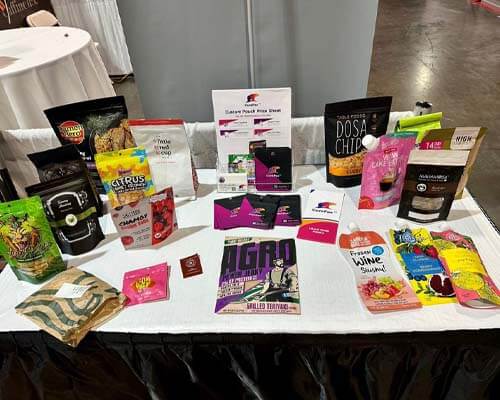
At White Label Expo Las Vegas, you can find our booth to learn more about custom offerings. We'll be showcasing our custom flexible packaging solutions, in addition to our innovative features and eco-friendly options. Stop by to learn more about our product demonstrations, promotions, and special consultations available live and in-person at the White Label Expo Las Vegas.

Why Visit CarePac at the White Label World Expo?

There are several key benefits to visiting our booth at the White Label World Expo, including one-on-one consultations, learning about market trends, and tailored support for white label brands.

One-on-One Consultations

CarePac offers personalized one-on-one consultations, ensuring each client’s unique needs are thoroughly understood. This enables you to discuss specific requirements, explore options in depth, and receive expert advice on how to best package your products for maximum impact.

Learning About Market Trends

We keep a close eye on emerging market trends and innovations in the packaging industry. This knowledge helps you make informed decisions that can positively influence your product's success in the market

Support for White Label Brands with Tailored Packaging Solutions

CarePac excels in providing white label brands with fully customized, ready-to-market packaging solutions. This includes tailored branding and design, scalability, and a focus on sustainability.

In short, we provide white label brands with expert packaging solutions that support their growth, align with ever-changing market demands, and help enhance brand visibility in a crowded market.

CarePac’s Expertise in White Label Solutions

We have extensive experience working with a diverse range of white label brands across a variety of industries, including food and beverage, health and wellness, pet food, and more. Our expertise is wide-ranging and allows us to provide highly specialized packaging solutions that will meet the unique demands of each sector. By partnering with us, white label brands will benefit from market-ready solutions, packaging that meets compliance and safety regulations, and our cost efficiency.

If your brand's white label packaging needs a competitive edge, you can't go wrong with CarePac.

White Label 03 Meet CarePac at the 2025 White Label World Expo in New York & Las Vegas

Custom Packaging Solutions for White Label Brands

In addition to high-quality packaging, we also offer an impressive range of customization options to help your brand's packaging stand out on the shelves. Our customization capabilities include:

Design and Artwork

We work closely with our clients to create eye-catching designs that reflect their identity and will appeal to their target customers. From logo placement to color schemes, every square inch of your packaging can be customized to align with your brand's vision.

Material Selection

CarePac is proud to offer a variety of materials for packaging, including sustainable and eco-friendly materials. Our clients can choose the material that best suits their product and brand identity, whether it's premium finishes or sustainable options.

White Label 04 Meet CarePac at the 2025 White Label World Expo in New York & Las Vegas

Packaging Size and Shape

We offer a variety of shapes and sizes to suit different product types. Whether you need small stand up pouches or large-format packaging, we can create a solution that’s functional, cost-effective, and visually appealing.

Branding and Market Differentiation

Custom packaging not only protects and preserves the product but also plays a crucial role in brand differentiation. Our design team can help create distinctive packaging that will help your product stand out in competitive markets.

White Label 05 Meet CarePac at the 2025 White Label World Expo in New York & Las Vegas
White Label 06 Meet CarePac at the 2025 White Label World Expo in New York & Las Vegas

How to Connect with CarePac During the Expo

To connect with us at the White Label World Expo, visit our booth, schedule a one-on-one consultation ahead of time, or engage with us on Facebook or Instagram. Visit our booth to pick up samples and brochures or to exchange contact information with our representatives.

We're excited to meet you at White Label World Expo and are ready to help make your vision for your packaging a reality.

Lets Get Started

united states of america Meet CarePac at the 2025 White Label World Expo in New York & Las Vegas

Made In
The USA

customize Meet CarePac at the 2025 White Label World Expo in New York & Las Vegas

Full Pouch
Customization

printer 1 Meet CarePac at the 2025 White Label World Expo in New York & Las Vegas

Scalable Printing
Digital & Plate

Read More
Optimizing Packaging 09 Optimizing Packaging for Cold Chain Logistics
Flexible Barrier Packaging, Food Industry Packaging, Non Food Items Packaging, Other Packaging Topics

Optimizing Packaging for Cold Chain Logistics

Carepac Logo black Optimizing Packaging for Cold Chain Logistics
$0.00
Cart

No products in the cart.

round account button with user insidegrey Optimizing Packaging for Cold Chain Logistics
Carepac Logo white Optimizing Packaging for Cold Chain Logistics

Optimizing Packaging for Cold Chain Logistics

Introduction to Cold Chain Logistics

Cold chain logistics is essential for maintaining the quality, safety, and sustainability of temperature sensitive products, like food and certain pharmaceuticals. If you've ever tried to keep food cold during a long day at the beach, though, you already understand that keeping things at a specific temperature is more difficult than it sounds. That's where cold chain packaging solutions come into play.

The right cold chain packaging solutions ensure the integrity of vaccines, biologics, medication, and food products as they make their way from the manufacturing and shipping facility to the store or pharmacy shelves. There are three types of cold chain packaging: active, passive, and hybrid, all of which use different methods to maintain a consistent temperature for temperature sensitive items.

In this blog, we'll discuss the key challenges of cold chain packaging, how cold chain packaging manufacturers can better optimize their processes, and how CarePac can help support your cold chain products with our customized and high-quality packaging.

Optimizing Packaging 01 Optimizing Packaging for Cold Chain Logistics

Key Challenges in Cold Chain Packaging

There are several key cold chain challenges, including maintaining temperature integrity, preventing condensation and moisture damage, and ensuring compliance with industry standards. We'll cover each of these cold supply chain challenges more in-depth below.

Optimizing Optimizing Packaging for Cold Chain Logistics

Maintaining Temperature Integrity

Whether you're transporting vaccines or shipping frozen goods and dairy products, you'll need to maintain temperature integrity via insulated box liners, gel packs, and robust seals. Finding packaging solutions that fit the bill can be difficult and expensive, especially for an industry that's already strained.

Optimizing Optimizing Packaging for Cold Chain Logistics

Preventing Condensation and Moisture Damage

You'll need to find moisture-resistant packaging that will help protect your products from moisture damage. Additionally, you'll need to invest in expensive technology to protect your frozen foods and pharmaceuticals from drastic temperature changes in the first place.

Optimizing Optimizing Packaging for Cold Chain Logistics

Ensuring Compliance with Industry Standards

Cold chain packaging materials will need to meet strict industry standards that are set forth for the cold chain industries. This protects the end user from sickness (or even death) due to consuming spoiled food or expired vaccines or pharmaceuticals that spoiled during transport.

Best Practices for Optimizing Cold Chain Packaging

Optimizing cold chain packaging is crucial for ensuring product integrity and reducing costs throughout the supply chain. Here are a few best practices:

Optimizing Optimizing Packaging for Cold Chain Logistics

Use Insulated and Durable Materials

By using cold chain solutions that focus on insulated and durable materials you can avoid damage during transit. Higher quality materials may be more expensive on the onset, but they'll save you money in the long run. Invest in materials and gel packs that retain temperature and help you avoid food waste.

Optimize Package Design for Efficiency

Compact, stackable designs can help maximize shipping space and reduce costs. Find cold chain packaging solutions and providers that will work with you to truly understand your shipping logistics and craft cold chain packaging that'll fit the bill. Even better if they offer thermal packaging solutions in various sizes.

Optimizing Packaging 07 Optimizing Packaging for Cold Chain Logistics
Optimizing Packaging 09 Optimizing Packaging for Cold Chain Logistics

Incorporate Real-Time Tracking Solutions

The benefits of integrating tracking for temperature-sensitive shipments are many. Not only will you be able to track your goods throughout the transportation cycle, but you'll be able to rest easy knowing that your temperature sensitive goods are being transported in the proper temperature environment.

Cost-Effective Strategies for Cold Chain Logistics

If all of the above sounds expensive, it's because it is. Fortunately, there are a couple things you can do now to cut back on costs.

Minimize Packaging Waste

Use reusable or recyclable materials to lower costs. Some companies even offer discounts or other incentives for customers that send their packaging back in the mail. Whether you use expanded polystyrene or sustainable materials, anything you can do to improve sustainability is a step in the right direction.

Streamline Packaging Processes

You can streamline your packaging processes by partnering with trusted suppliers for efficient packaging solutions. It's always a good idea to find a few companies that can manufacture your temperature controlled packaging; that way, if one of your temperature controlled packaging solutions goes out of business or needs to close due to bad weather, you won't be left in a lurch.

Optimizing Packaging 08 Optimizing Packaging for Cold Chain Logistics

How CarePac Supports Cold Chain Packaging Needs

At CarePac, we are proud to offer custom cold chain packaging solutions for temperature sensitive products. Not only will our packaging help you ensure proper temperature control for your sensitive items, like pharmaceuticals, chemicals, or food products, but our customization capabilities mean that your product will stand out to your customers.

Ready to learn more about our cold chain solutions for packaging? Contact us today to get started!

Lets Get Started

Made In
The USA

Full Pouch
Customization

Scalable Printing
Digital & Plate

Read More
04 2 DPI vs. PPI: What Packaging Designers Need to Know
Packaging Design

DPI vs. PPI: What Packaging Designers Need to Know

Carepac Logo black DPI vs. PPI: What Packaging Designers Need to Know
$0.00
Cart

No products in the cart.

round account button with user insidegrey DPI vs. PPI: What Packaging Designers Need to Know
Carepac Logo white DPI vs. PPI: What Packaging Designers Need to Know

DPI vs. PPI: What Packaging Designers Need to Know

An Introduction to PPI and DPI

PPI and DPI are both measurements of resolution, which is an incredibly important aspect of working with digital images. Image resolution, or display resolution, is important because it determines how clear an image will look in its intended size once it is physically printed onto a piece of paper or postcard, or when it's viewed on a computer screen. An image's resolution that's high will show more detail and definition on a printed picture than digital images with a lower print resolution.

In this blog, we'll discuss what DPI stands for, what PPI stands for, and how the different resolutions (especially a higher resolution) impact packaging design. Read on to learn more about how the number of pixels matters so much.

04 2 DPI vs. PPI: What Packaging Designers Need to Know
16 1 DPI vs. PPI: What Packaging Designers Need to Know

What is DPI?

DPI stands for dots per inch, and it refers to the number of ink droplets inkjet printers will produce per inch when printing a digital image. The higher the dots per inch, the more closely together the ink droplets are packed, and the more detail the image will have when printed. 300 DPI, or dots per inch, is a standard for high quality prints, and it means that there are 300 individual dots per inch. This is because the human eye can't usually differentiate detail beyond 300 DPI, so whether it's 300 tiny dots per inch or 5,000 dots per inch, the overall image quality will look the same to the naked eye.

While DPI most commonly refers to the printer resolution so you know what to expect during the printing process, it also is used for scanning and a mouse's sensitivity setting. In this case, though, we're referring strictly to printing a digital image.

05 4 DPI vs. PPI: What Packaging Designers Need to Know
11 2 DPI vs. PPI: What Packaging Designers Need to Know

What is PPI?

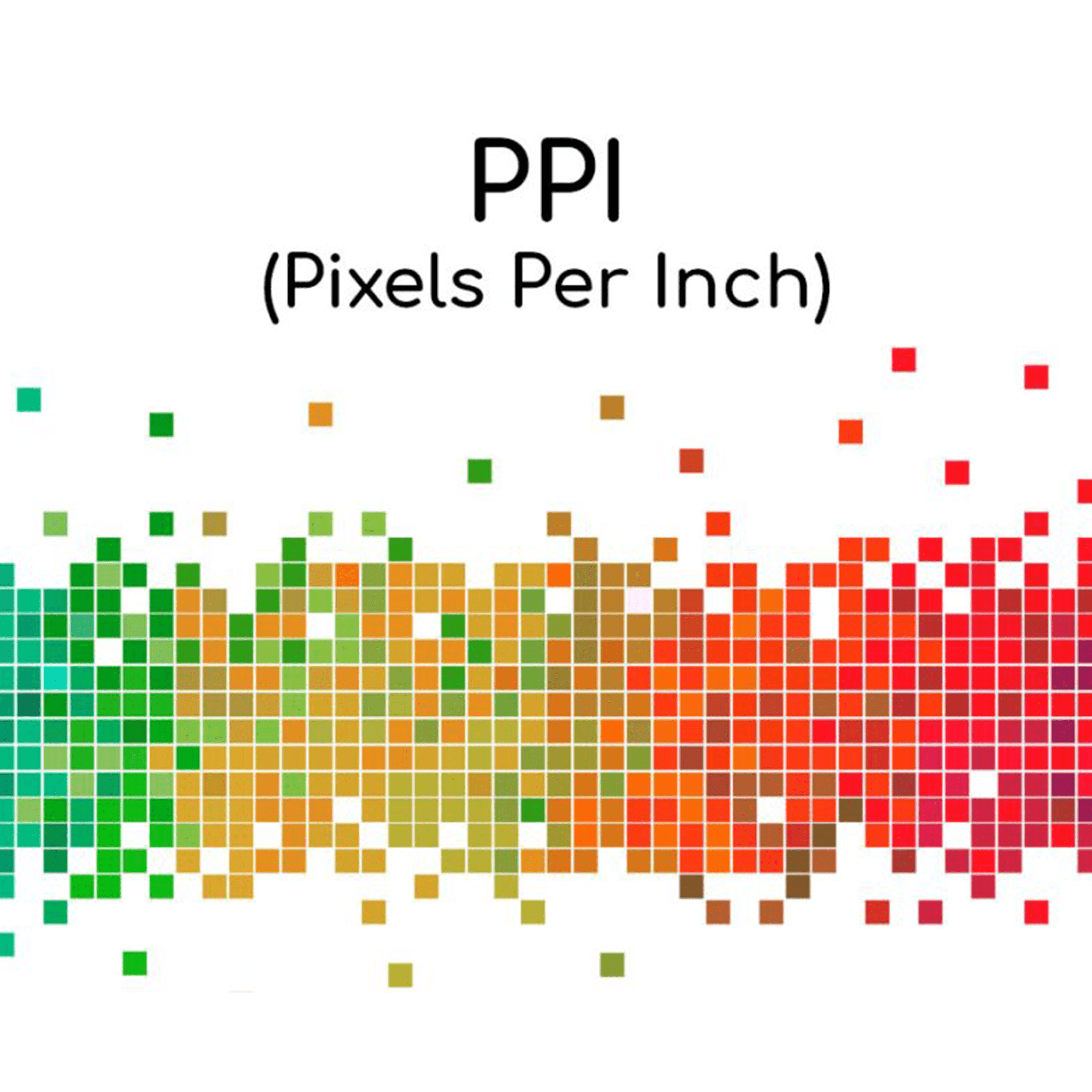
PPI stands for pixels per inch and, like DPI, PPI resolution affects how a digital image looks on a web page. A higher PPI (pixels per inch) means better image quality, with smaller pixels that create both clarity and depth. Low resolution images contain larger pixels in fewer numbers (resulting in a more pixelated image), while high resolution images have a greater number of smaller pixels, resulting in a crisp and smooth digital image. This is why selecting the correct PPI setting is so important.

Roughly speaking, web images are standardized at 72 pixels per inch, which allows for a faster load time and a clear and eye-catching image appearance.

02 2 DPI vs. PPI: What Packaging Designers Need to Know
03 2 DPI vs. PPI: What Packaging Designers Need to Know

DPI vs. PPI: Key Differences

The main difference between PPI and DPI is that PPI (pixels per inch) refers to the image resolution of digital images and those viewed on computer monitors while PPI refers to the print resolution of a printed image. Think of it this way: if you can hold a picture in your hand, you should be concerned about DPI (dots per inch). If you're a graphic designer who works only with digital images, you should be looking at PPI, or the pixel count of the image.

Why Understanding DPI and PPI Matters in Packaging Design

There are several key reasons why understanding dots per inch and pixels per inch is so important in packaging design. The most important is that it directly affects the print quality of your packaging. If you want high quality images that accurately represent your brand, you'll want to avoid a low DPI (dots per inch.). You wouldn't think that how many dots line one inch of a package matters, but they really do!

08 1 DPI vs. PPI: What Packaging Designers Need to Know
03 1 DPI vs. PPI: What Packaging Designers Need to Know

Practical DPI and PPI Tips for Packaging Designers

Here are a few quick tips for packaging designers who are preparing an image file for print or for viewing online:

  • Use 3000 PPI as the baseline for print images. This higher DPI will ensure your image will be of the highest quality.
  • When saving images, use a lossless file format like TIFF.
  • Don't compress or reduce the size of your image using image editing software, like Adobe Acrobat Pro.
  • Before saving the image, check the image's properties (file size, number of pixels, screen resolution) to ensure they're still correct.
  • If you're preparing a digital image for print, consider the material you'll be printing on. You may need to make the image larger or the image size window smaller depending on the material.
  • Photographs, barcodes, and some graphics may require a higher DPI.

It's clear that if you're seeking a clear image there are a lot of things to consider. Fortunately, CarePac can help. Contact us today to get started on your project. We're well versed in the different resolutions and will work with you to ensure your packaging is of the highest quality.

PPI and DPI: FAQs

What is the relationship between PPI and DPI?

Although DPI (dots per inch) and PPI (pixels per inch) are used interchangeably, they refer to two very different things. PPI refers to display resolution, while DPI refers to the resolution of a printed image once it completes the printing process.

Does PPI matter more than image resolution?

PPI doesn't matter "more" than image resolution since PPI is, in fact, a measurement of resolution.

Does PPI matter in a printed image?

No, PPI doesn't matter as much as DPI in a printed image. If you're printing an image and want the picture represented accurately (including all the picture elements), you'll need to worry about the DPI (not the PPI resolution.)

Is DPI just for digital images?

No, DPI is primarily used to measure the resolution of images for print (not digital images.) A higher DPI indicates more ink dots contained within a one inch area, ultimately resulting in a clear image.

Lets Get Started

Made In
The USA

Full Pouch
Customization

Scalable Printing
Digital & Plate

Read More
02 1 What is a Zip of Weed Bag? Measurements & Packaging Solutions for the Cannabis Industry
Packaging Design

What is a Zip of Weed Bag? Measurements & Packaging Solutions for the Cannabis Industry

Carepac Logo black What is a Zip of Weed Bag? Measurements & Packaging Solutions for the Cannabis Industry
$0.00
Cart

No products in the cart.

round account button with user insidegrey What is a Zip of Weed Bag? Measurements & Packaging Solutions for the Cannabis Industry
Carepac Logo white What is a Zip of Weed Bag? Measurements & Packaging Solutions for the Cannabis Industry

What is a Zip of Weed Bag? Measurements & Packaging Solutions for the Cannabis Industry

Whether you work in the cannabis sector or consider yourself a casual user, you likely come across a lot of cannabis jargon and slang in your day-to-day life. Cannabis terms like "couchy" (indica-heavy cannabis strains that make you tired), "burn one" (smoking a small amount of cannabis, like a joint), and "chiefing" (hogging cannabis in a group setting), are all equally confusing. In this blog we'll discuss one cannabis phrase in particular- a zip of weed.

If you're curious about what a zip of weed is and how to choose the right packaging, you've come to the right place. We'll walk you through what you need to know about this cannabis term.

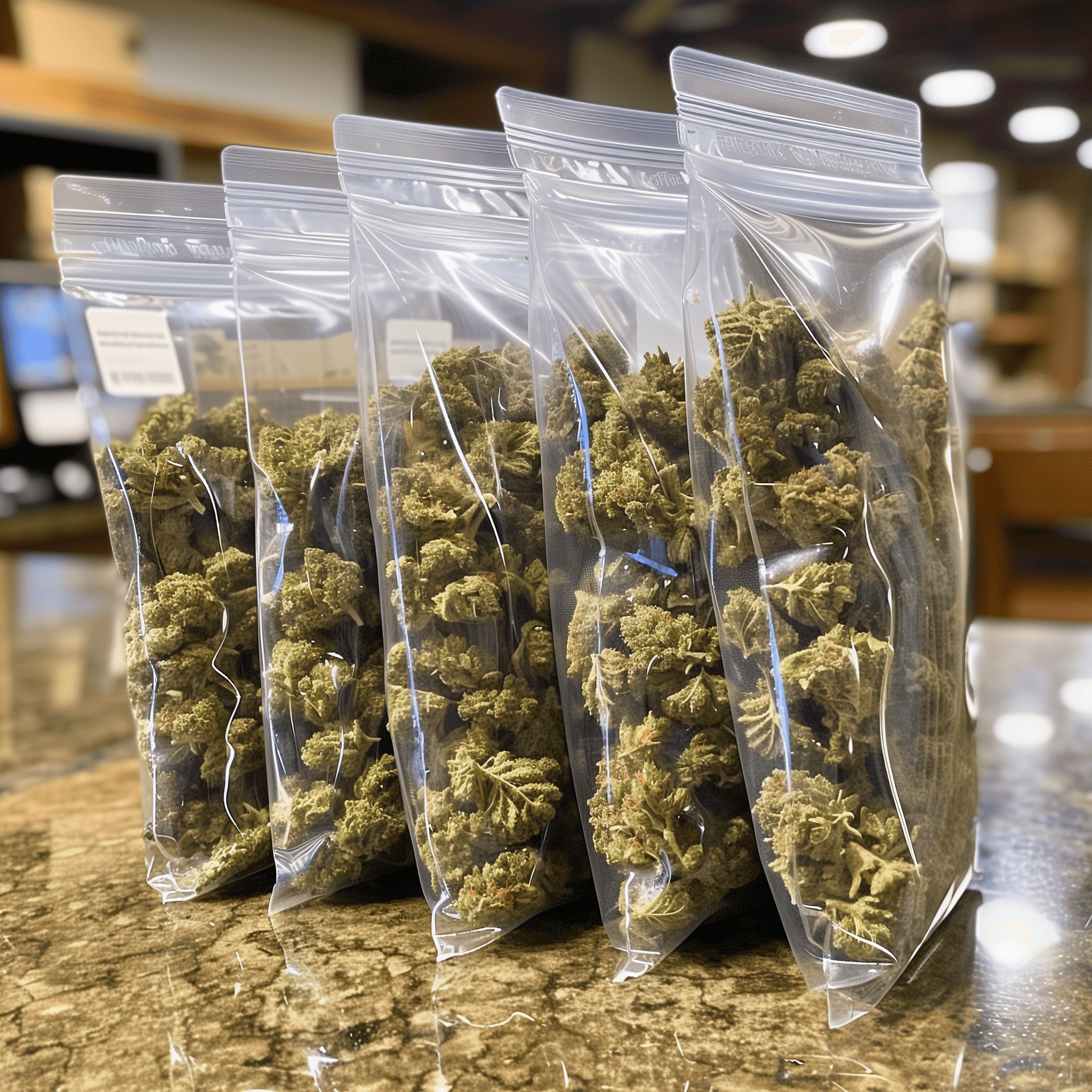
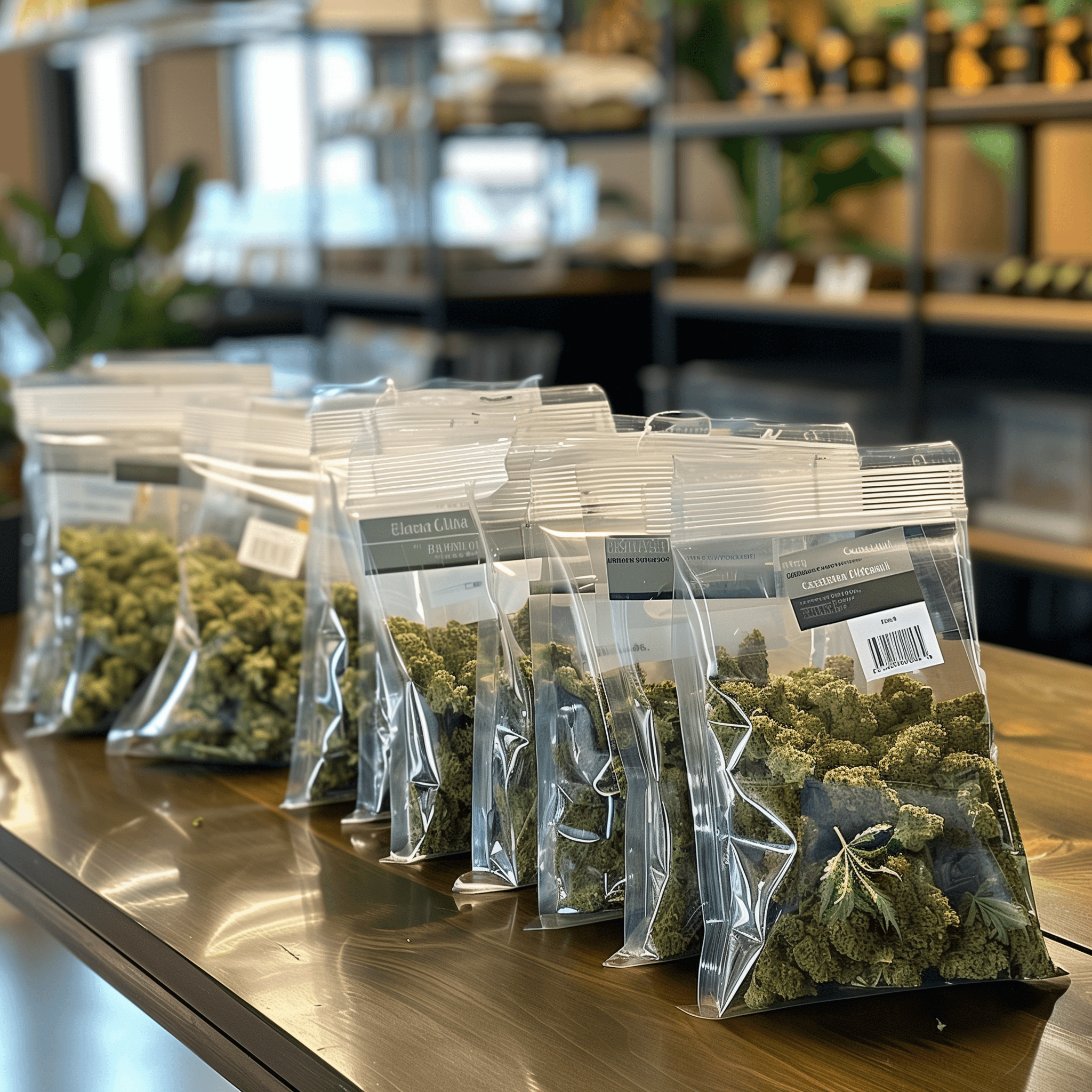
Multiple resealable CarePac cannabis packaging bags filled with dried flower buds, displayed on a wooden counter in a dispensary, highlighting bulk weed storage solutions.
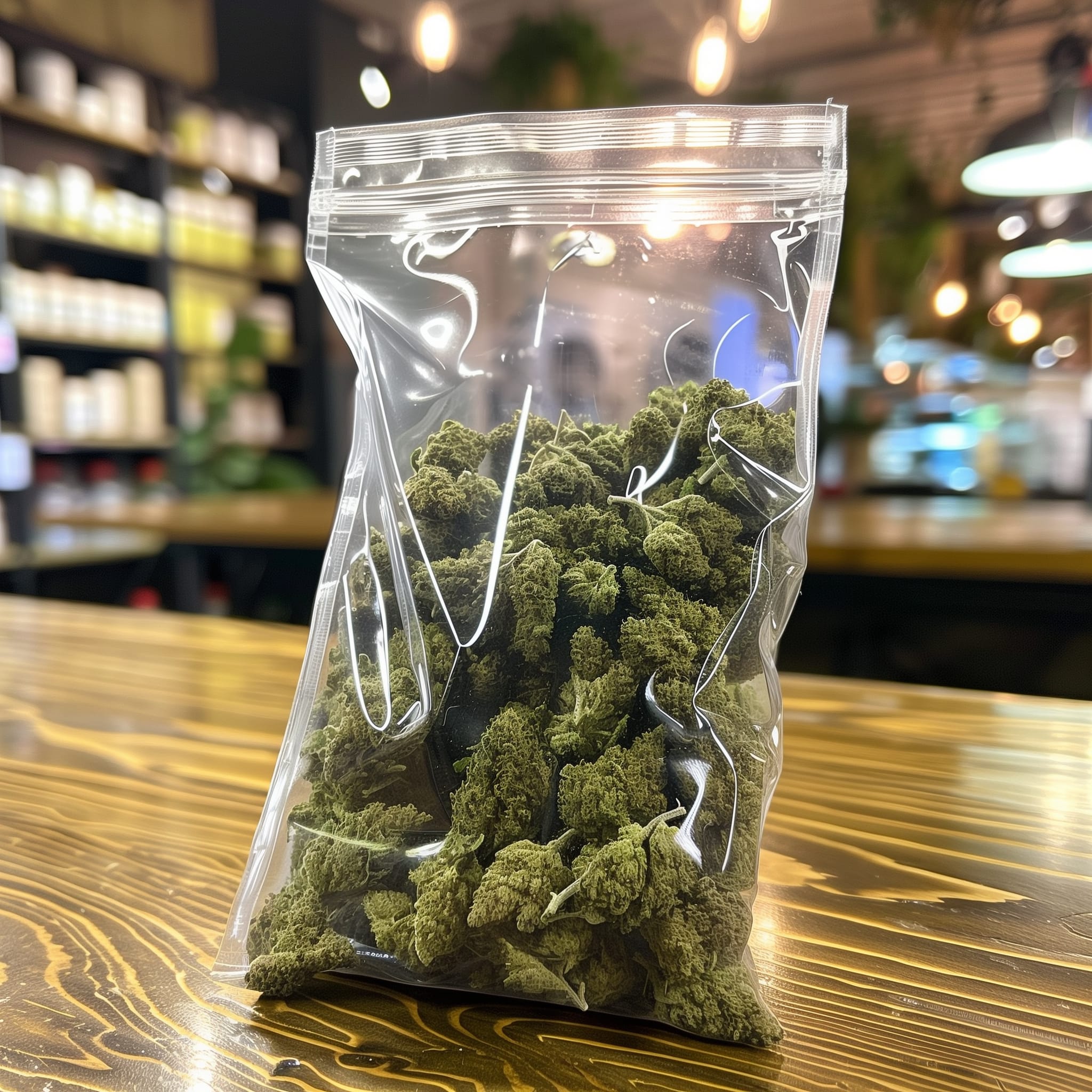
Single resealable clear cannabis packaging bag from CarePac filled with marijuana buds, designed for freshness, odor control, and dispensary display.

What is a Zip of Weed?

A zip of weed is a slang term that refers to a unit of measurement that's equal to one ounce (28 grams) of cannabis. This is an incredibly common unit of measurement in the marijuana industry, particularly in states where it's legal for medical or recreational marijuana consumption.

Currently, cannabis is legal or decriminalized in almost 40 states, including all along the West Coast (Oregon, Washington, and California). If you're located in one of these states or in any of the other states where cannabis is legal, we can help take your brand to the next level with fully customized packaging items for your cannabis.

A zip of weed is considered personal use, and anything more than one ounces can lead to felony or misdemeanor charges, even in states where it's decriminalized. If your brand sells cannabis in any size, you've come to the right place.

Custom Packaging Solutions for CBD/THC Companies

Here are a few of the custom packaging solutions we offer for our customers and brands in the marijuana sector:

  • Tamper resistant bags- Tamper resistant bags are critical to assuring that your customer knows if a bag or their vaporizer cartridges or vaporizer batteries have been opened prior to their first use. Since it shows clear signs of tampering, it prevents unauthorized tampering with a bag's contents during transport or storage in dispensaries.
  • Stand up pouches- Stand up pouches are manufactured with a bottom gusset which, when deployed, allows the pouch to stand up on the shelf in a store, instead of laying down like flat pouches. This can help provide the best experience in a store or dispensary.
  • Smell proof mylar bags- Our smell proof mylar bags are perfect for cannabis companies of all shapes and sizes. Our packaging offers the highest level of odor containment, ensuring that no air will escape from your product and into a users car or home.
Row of CarePac custom cannabis packaging bags containing marijuana flower, shown in a dispensary setting with clear resealable pouches for secure storage.
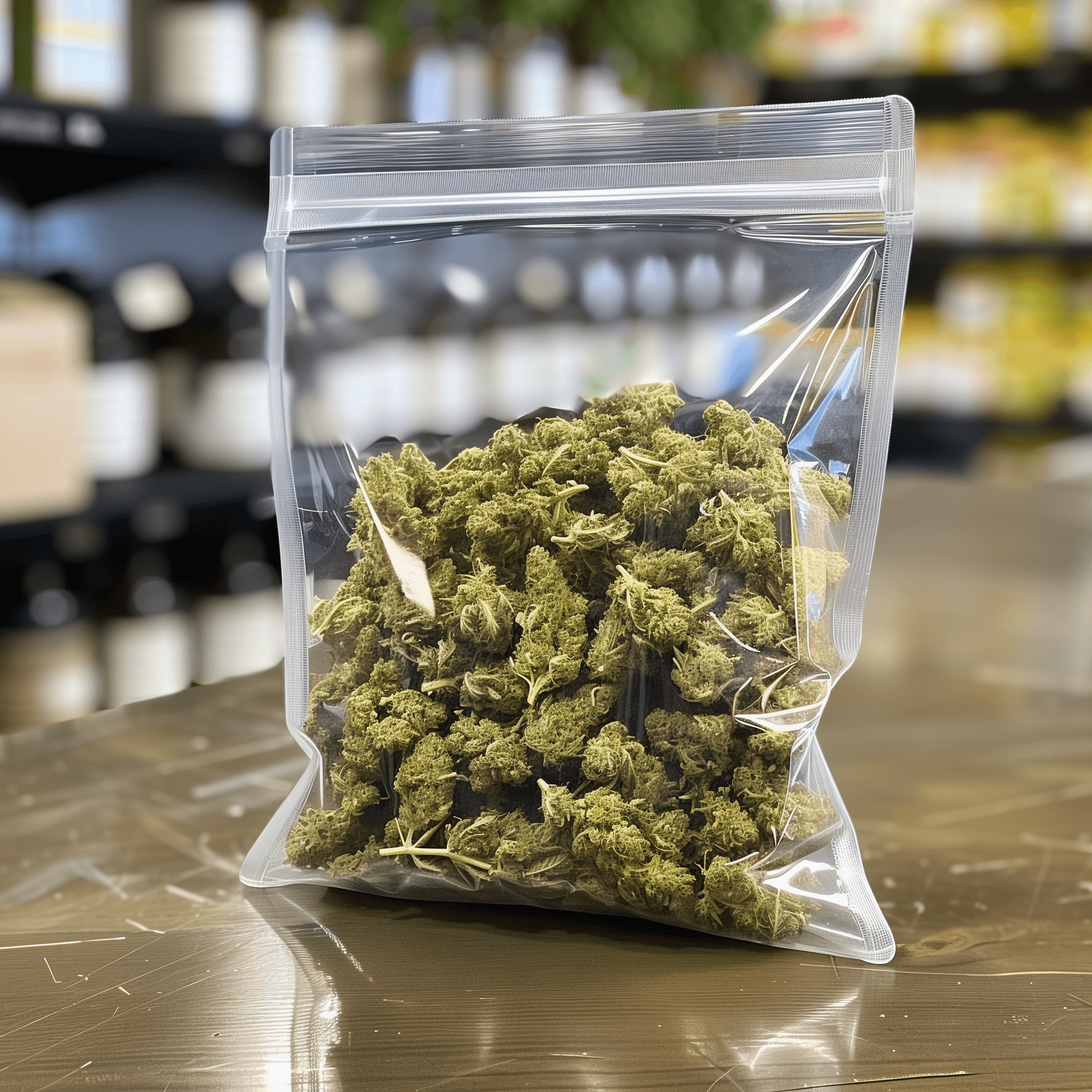
Large clear cannabis packaging bag by CarePac filled with marijuana buds, placed on a wooden countertop with a dispensary background.

Choosing the Right Packaging for a Zip of Weed

When it comes to choose the right packaging for one ounce of weed, here are a few features to consider:

  • Proper labeling- To comply with the legal requirements in your state, your cannabis bags will need to have clear labeling. Check with your company legal counsel for a full list of what needs to be included (often the product name, dosage, potency, origin, and lab testing.)
  • Exit bags- Many states require that customers use exit bags to package their products in the store. Again, check with your state's requirements for more information.
  • Child resistant packaging- Child resistant packaging is of utmost importance in the cannabis sector. In fact, it's essential!

Conclusion

We're your one stop shop for cannabis packaging, and are well versed in the ins and outs of packaging for the marijuana industry. Not only will we work with you to design the perfect packaging for your edibles and tinctures, but we can design and manufacture packaging for a zip of weed, too. Our packaging is durable, tamper evident, and will portray a feeling of luxury to your consumers.

Contact us today to experience the CarePac difference for yourself.

Multiple CarePac cannabis packaging bags displayed on a dispensary counter, featuring resealable clear pouches filled with marijuana flower for retail sale.

FAQs: Packaging for the Marijuana Industry

How much weed is in a zip?

A zip of weed is equal to 28 grams, or one ounce, of marijuana or weed.

What’s the best packaging for a zip of weed?

Mylar bags are incredibly popular in the marijuana sector. Not only are they fully customizable, but they're odor resistant, opaque, sturdy, and cheaper than many other options. They'll ensure your weed lasts longer and maintains its freshness over time.

Why are child-resistant plastic containers important for cannabis products?

Child resistant containers are a top priority for cannabis companies because they're required to be child resistant by law. This is for the protection of children and other under age individuals who may come into contact with the container.

Can I customize packaging for different weed measurements?

Yes, our designers will work with your business to design high quality bags that will help your product stand out on the shelves, regardless of its pricing or size. We're ready to help your business break into the highly competitive market with bags that'll stand out.

Lets Get Started

Made In
The USA

Full Pouch
Customization

Scalable Printing
Digital & Plate

Read More
07 1 Satin Varnish vs Matte: Understanding Print Packaging Finishes
Packaging Design

Satin Varnish vs Matte: Understanding Print Packaging Finishes

Carepac Logo black Satin Varnish vs Matte: Understanding Print Packaging Finishes
$0.00
Cart

No products in the cart.

round account button with user insidegrey Satin Varnish vs Matte: Understanding Print Packaging Finishes
Carepac Logo white Satin Varnish vs Matte: Understanding Print Packaging Finishes

Satin Varnish vs Matte: Understanding Print Packaging Finishes

Introduction to Print Packaging Finishes

When it comes to designing your product's packaging, there are a lot of things to consider. From bag size, material, and colours to the level of protection and different accessories, all are equally important to how your bag functions and looks. One area that's often overlooked by most people is the protective finish. Selecting the right protective layer and finish requires more than just going with your gut -- generally speaking, certain finishes offer better durability and are more resistant to scratches, while others can help create a more premium or high-quality look.

In this blog, we'll guide you through two popular finishes (matte varnish and non-shiny or glossy finish), their difference and similarities, visual and tactile effects and details, and how they influence the overall packaging experience. Read on to learn more about these two popular surface varnishes.

16 Satin Varnish vs Matte: Understanding Print Packaging Finishes
04 1 Satin Varnish vs Matte: Understanding Print Packaging Finishes

What is Satin Finish?

A satin finish, often referred to as soft touch, gives your product the ultimate feel of luxury. If you've ever held packaging that feels like soft suede, this is an example of a package with a satin finish. In addition to its tactile feel, a satin varnish also renders colors amazingly well. Blacks will look deeper, reds will look brighter, and blues will look as clear as the sky. If your brand's colors have looked dull and flat in the past, make no mistake -- you can't go wrong with a satin finish this time around

Satin varnishes offer several unique benefits, including a heightened visual appeal, a tactile sensation your customers simply won't be able to experience with other materials, protection against scratches and other damage, and a sense of quality and sophistication. If you're looking to enhance your brand

What is Matte Varnish?

Matte varnishes have become very popular in the last few years, as they offer a good alternative to the high gloss or semi gloss finishes that customers are accustomed to. Within the matte category, there are two primary types of matte finishes (or matting agent) that we offer:

10 Satin Varnish vs Matte: Understanding Print Packaging Finishes
12 Satin Varnish vs Matte: Understanding Print Packaging Finishes

Matte Lamination

With this option, the entire outer surface of the bag will have a matte lamination. This option is slightly less expensive than the other two. Pros include its cost effectiveness, and cons include its lack of barrier properties against oxygen and humidity.

Matt Varnish Coating

A matte varnish coating can be applied as a "spot" treatment, meaning only certain parts of your bag will have a matte look. Pros: less susceptible to scuffing since it's not included on the entire bag; cons: requires more than one plate, making it more expensive.

As you can see, which you choose between the two ultimately comes down to personal preference. All three are high-quality model that will help enhance the durability and style of your bag.

06 2 Satin Varnish vs Matte: Understanding Print Packaging Finishes
15 Satin Varnish vs Matte: Understanding Print Packaging Finishes

Matte Finish vs. Satin Varnish: Key Differences

The primary differences between a matte varnish and a satin -finish can be divided into the following categories:

  • Appearance- A matte finish provides a slightly chalky look, while satin can have more gloss in certain areas of the pouch. This ultimately depends on the thickness of the final coat.
  • Protection- While both finish options will protect the packaging from finger oils, smudges, and scuffs, packaging with a matte finish is slightly more protective against wear and tear.
  • Uses- Matte finishing is often used for luxury goods, while bags with a satin finish is a good middle ground between matte and gloss.

If you're seeking a non-reflective finish that will give your packaging a more subdued look, you can't go wrong with either of the non-gloss varnish options discussed in this blog. Unlike packaging with a gloss varnish, bags with matte and satin finishes won't reflect lighting or look shiny in the sun.

Perfect Your Packaging with CarePac

03 Satin Varnish vs Matte: Understanding Print Packaging Finishes

Now that you understand the importance of selecting the right finish, you're probably wondering how to get started with your custom packaging design. Fortunately, it's easy! By partnering with a custom packaging design company (like us!), you can let us handle all the hard work while you sit back, relax, and wait for us to send you some designs to approve.

02 1 Satin Varnish vs Matte: Understanding Print Packaging Finishes

With commercial-grade, FDA-approved barrier packaging available in a variety of sizes and configurations, we can craft a bag that will suit your unique needs. Whether you are just starting a new project or considering switching packaging suppliers, talk with us to see how your product can benefit from our high-quality and fully customizable packaging.

Non-Gloss Varnish: FAQs

Here are some common questions we receive about our non-gloss varnish options, including satin and matte finishes.

What is matte packaging?

Matte packaging is a type of packaging that uses an acrylic varnish to create a "softer" look and smooth texture. It's not reflective and you won't need to worry about fingerprints or glare.

What is satin packaging?

Satin packaging is packaging that uses a satin finish, which falls somewhere between a matte and gloss. Often referred to as "soft touch" packaging, satin varnished pouches create a premium, non-dull, non-shiny, and high-quality feel.

Lets Get Started

Made In
The USA

Full Pouch
Customization

Scalable Printing
Digital & Plate

Read More
03 scaled Gloss Lamination vs Matte Lamination: Key Differences Explained
Packaging Design

Gloss Lamination vs Matte Lamination: Key Differences Explained

Carepac Logo black Gloss Lamination vs Matte Lamination: Key Differences Explained
$0.00
Cart

No products in the cart.

round account button with user insidegrey Gloss Lamination vs Matte Lamination: Key Differences Explained
Carepac Logo white Gloss Lamination vs Matte Lamination: Key Differences Explained

Gloss Lamination vs Matte Lamination: Key Differences Explained

Introduction to Lamination in Packaging

When people think about a product's packaging, elements like logo placement, size, and color may come to mind. But did you know that even the smallest details, like a bags protective layer and how it reflects light also have a big impact on its visual appeal?

Choosing the right lamination is crucial to your print project -- it draws your customer's attention to the printed items, whether it be a stand up pouch, menu cards, or research posters, and can also act as a layer of much-needed protection against dust and damage, particularly if spot UV elements are incorporated into the packaging.

Here, we'll discuss matte lamination, glossy lamination, their key differences, and how to use lamination to create a sophisticated and understated look. Whether you opt for matt lamination with spot UV or opt for a glossy surface instead, we're here to help you choose the right type of film lamination for your needs. Read on to learn more about matte and gloss lamination.

01 Gloss Lamination vs Matte Lamination: Key Differences Explained
07 Gloss Lamination vs Matte Lamination: Key Differences Explained

What is Matte Lamination?

The most basic way to describe matte lamination is muted and flat. If you choose to incorporate matte laminates into your packaging or printed materials, it'll give it a silky smooth and non-reflective finish. Matte laminate is a great choice for many different types of packaging, as it reduces glare and ensures your package design is visible from every angle. It also hides minor imperfections and provides a tactile feel to the package, making it more interesting to hold. Often used for book covers and cosmetics packaging, matte lamination will hide smudges and fingerprints while creating a sophisticated finish.

Limitations of Matte Lamination

Of course, matte lamination does have some drawbacks. It can make colors seem dull and washed out, and scratches more easily than gloss lamination.

06 1 Gloss Lamination vs Matte Lamination: Key Differences Explained
02 Gloss Lamination vs Matte Lamination: Key Differences Explained

What is Gloss Lamination?

Unlike matte lamination, glossy lamination has a lustrous look. Think of gloss laminate like a clear coat on your freshly washed car or recently painted nails: it adds a touch of vibrancy and provides a protective layer. One of the biggest benefits gloss lamination offers is it makes pictures and images appear brighter and more vivid. If you're trying to wow your customers with bright colors and zany designs and are worried about the wear and tear of your packaging, you can't go wrong with the glossy surfaces created by gloss lamination.

Limitations of Gloss Lamination

Now for the drawbacks. The main drawback of gloss laminate is that it can create a glare, especially when viewed in direct lighting. This can make it difficult for your customers to read text or see photographs. Additionally, fingerprints and smudges are more obvious on gloss lamination than on printed material with a matte finish.

05 1 Gloss Lamination vs Matte Lamination: Key Differences Explained

Matte vs Gloss Lamination: Key Differences

Here's a quick breakdown of matte and gloss lamination, presented in an easy-to-view manner. When comparing matte vs high gloss laminate, the differences can be broken down into four categories: protection, laminate appearance, glare, and the ink receptiveness of the materials.

03 scaled Gloss Lamination vs Matte Lamination: Key Differences Explained

Gloss Laminate: A Quick View

  • Protection- Scratches and scuffs are more visible on the glossy surfaces produced by gloss lamination. It is simply not as durable as soft touch lamination.
  • Appearance- Gloss lamination produces a very shiny, high-impact result. If you're looking for a shiny appearance, gloss lamination is the perfect lamination for your packaging.
  • Glare- Since light reflects off gloss lamination, it produces a lot of glare, which can be problematic depending on its use. If the intended purpose of the package or product is to be read and it will be seen in direct or extreme lighting conditions, you may want to opt for matte lamination materials instead of gloss
  • Ink Receptiveness- Gloss lamination is difficult to write over, even with a Sharpie or permanent marker.
04 1 scaled Gloss Lamination vs Matte Lamination: Key Differences Explained

Matte Laminate: A Quick View

  • Protection- Matte lamination resists fingerprints, scuffs, scratches, and dirt better than glossy film packaging does. If you're concerned about dust, you can't go wrong with matte.
  • Appearance- Creates a soft, low-key final result. A matte finish creates a higher perception of quality, and is often used for high-quality cosmetics or in a book cover. If you need a smooth finish and an eye catching appearance, this is one of the best lamination types.
  • Glare- Matte lamination does not produce any glare. If your package will be handled in direct light, this lamination type is your best choice.
  • Ink Receptiveness- You can easily write over this thin film lamination.
09 1 scaled Gloss Lamination vs Matte Lamination: Key Differences Explained

How to Choose Between Matte vs Gloss Lamination

Choosing the right type of lamination ultimately depends on your specific use case. Are you in the beauty or cosmetics industry? If so, you can't go wrong with the soft touch lamination provided by matte lamination. Does your packaging contain a lot of colors and bright designs? You'll probably fare better with an attention grabbing glossy label.

Each has its advantages and disadvantages, and it can be difficult for our clients to choose on their own. Fortunately, we'll assist you in finding the sweet spot between impressing your customers and protecting what's inside the packaging.

Connect with us today to get your packaging project started! We'll help support all your printing needs, no matter how large or small.

Lets Get Started

Made In
The USA

Full Pouch
Customization

Scalable Printing
Digital & Plate

Read More
03 1 scaled Doypack Configurations: What They Are & When to Use Them
Packaging Design

Doypack Configurations: What They Are & When to Use Them

Carepac Logo black Doypack Configurations: What They Are & When to Use Them
$0.00
Cart

No products in the cart.

round account button with user insidegrey Doypack Configurations: What They Are & When to Use Them
Carepac Logo white Doypack Configurations: What They Are & When to Use Them

Doypack Configurations: What They Are & When to Use Them

Intro to Doypack Plastic Packaging

Doypack packaging is a type of flexible packaging that's sustainable, customizable, and easy to use. Sometimes referred to as a stand up pouch, a doypack can be made from a single layer, or several layers of the same (or different) materials. Doypack packaging can be fully customized to suit the unique needs of your application or business, and can include spouts, valves, or hang holes for added convenience. 

Initially devised in 1963 by French inventor Louis Doyen (hence the name "Doypack"), the basic Doypack design consists of two flat sheets sealed together along their sides, with a "W" fold running along the bottom. It is one of the most popular packaging options in the world, with over 40 billion Doypack pouches sold each year. Companies of all sizes love doypacks for their flexibility and customizability. 

In this article, you'll learn more about doypacks, including their benefits, common applications, and what makes the doypack one of the leading packaging solutions in the market. 

08 2 Doypack Configurations: What They Are & When to Use Them
01 1 scaled Doypack Configurations: What They Are & When to Use Them

Key Features of Doypack Flexible Packaging

One of the key benefits of doypack packaging is the sheer variety of options available. Your doypack can be adapted to fit the products you're storing, and can incorporate things like your branding, use instructions, and information on how to recycle.

Here are some common types of doypack stand up pouches:

As you can see, there are several options to choose from when it comes to selecting and designing your doypack packaging. The sky is the limit, and our team will work with yours to determine which type is the best fit for your product. From there, we'll create the package for you!

Common Applications of Doypack Packaging

Nowadays, a consumer can find doypacks pretty much everywhere. As mentioned, they are an incredibly popular type of packaging solution with almost 50 billion bags sold each year. Here are a few specific examples of how doypacks are used:

Liquids

Doypacks are often used to package products like soups and sauces. In the past, liquid foot items were typically packaged in bulky and rigid containers made from glass and rigid plastic material, but these were difficult and expensive for manufacturers to ship and store. Now, stand up pouches with a built-in nozzle or spout makes dispensing liquid foods easier than ever before.

Pet Food

As pet owners shift towards feeding their dogs and cats fresh pet foods made from fresh, real ingredients, pet food brands are moving away from those large, bulky bags filled with dry kibble. Enter doypacks. These polyethylene packaging solutions provide a better barrier against humidity and moisture, ensuring the food inside is kept fresh during storage and transport.

Nuts, Candies, and Snacks

Another popular application for doypacks are snacks, like nuts, candies, single serve coffee, and chips. Since doypacks can be designed with a zipper they can be used to package single-serving snacks and large family-sized packs alike. They'll provide superior protection against food spoilage, even after the packages are opened and resealed.

05 2 Doypack Configurations: What They Are & When to Use Them
04 Doypack Configurations: What They Are & When to Use Them

Benefits of a Doypack Stand Up Pouch

There are several benefits to choosing doypack stand up pouches for your packaging needs. Not only will they keep products fresher by protecting them from exposure to moisture and the elements, but they can help reduce waste and protect the environment. Here are a few key reasons why doypacks are one of the best packaging options for consumers in a variety of industries:

Transportation and Storage

As mentioned, doypacks are incredibly lightweight and flexible, meaning they're very easy to store and transport. Gone are the days of having to figure out how to store large, bulky plastic bags. Now you can store doypacks flat until they're ready to use. Simply fill them up to capacity, add labels, and ship the bag off to their final destination.

Sustainability

As sustainability becomes more and more important to consumers, it's important for manufacturers to commit to the environment. Fortunately, since doypacks ensure that the products inside remain fresher for longer, your customers can cut back on food waste. And in this economy, any money saved is a step in the right direction. They can also be manufactured using sustainable materials and features for a full circle effect.

Customization Options

Doypacks are an excellent option for companies looking to set their cosmetics or food products apart from their competition. They can be fully customized to complement your product and showcase your brand. Here are a few things you can do to impress your customers:

  • Show customers you're eco-conscious by explaining more about the material you selected and how to recycle the stand up pouch.
  • Customize your cosmetics bag to include your logo, brand colors, or other eye-popping imagery. You only have a few seconds to catch your customers eye, and we can help!
  • Show you care about your customers health by including nutritional information, like calorie counts and allergen info.
03 1 scaled Doypack Configurations: What They Are & When to Use Them
07 Doypack Configurations: What They Are & When to Use Them

CarePac: Your Partner in Doypack Packaging

If you're looking for a doypack supplier that will give you superior quality, outstanding customer service, and a wide selection of customization options, you've come to the right place. We're proud to offer high barrier packaging in both small and large runs, so whether you're prototyping or restocking a large order, we can help. Ready to design a high-quality, fully customized doypack? Get started today!

Lets Get Started

Made In
The USA

Full Pouch
Customization

Scalable Printing
Digital & Plate

Read More