Degassing 01 Degassing Valves for Flexible Packaging
Flexible Barrier Packaging

Degassing Valves for Flexible Packaging

$0.00
Cart

No products in the cart.

round account button with user insidegrey Degassing Valves for Flexible Packaging

Inside CarePac’s New Degassing Machine: Fresher Flexible Packaging Starts Here

What Is a Degassing Valve — and Why It Matters

A degassing valve, also called a one-way degassing valve, is a small, specialized valve used in flexible packaging solutions that release gases. This one-way vent integrates into your packaging and allows gas to escape while preventing outside air, dust, moisture, or bacteria from entering the packaging. It's especially popular in coffee packaging because coffee, especially beans with natural oils, continues to release gases after it goes through the packaging process. These gases build up pressure inside the sealed packaging, and if the gas isn't released through valves in the lid it can cause the package to burst.

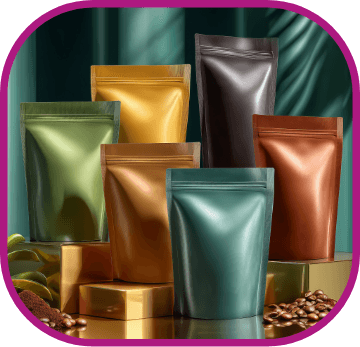
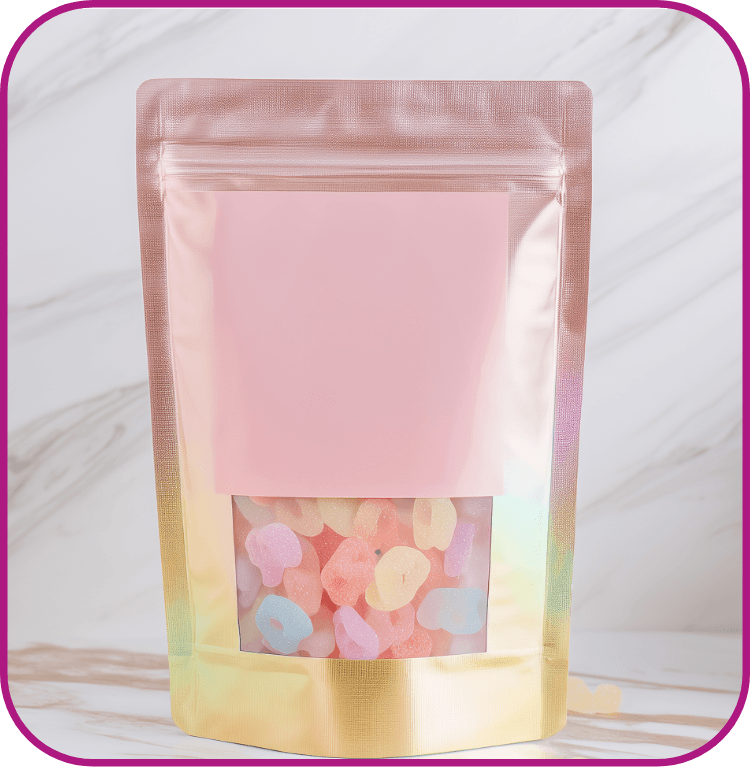
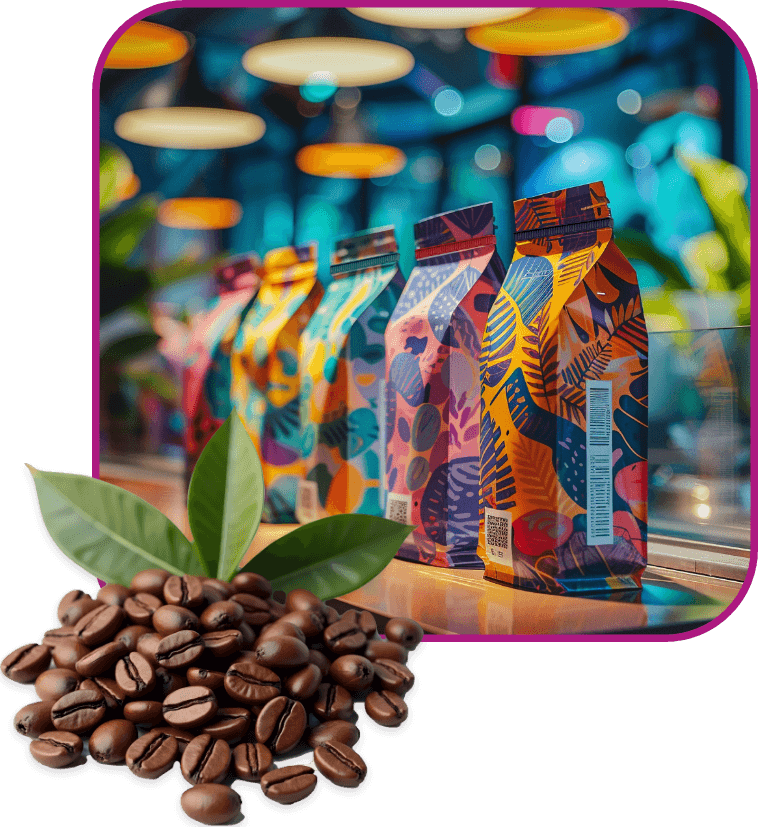
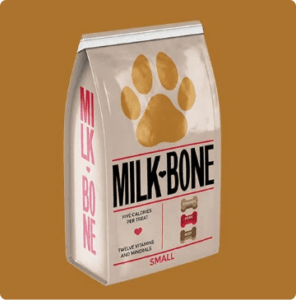
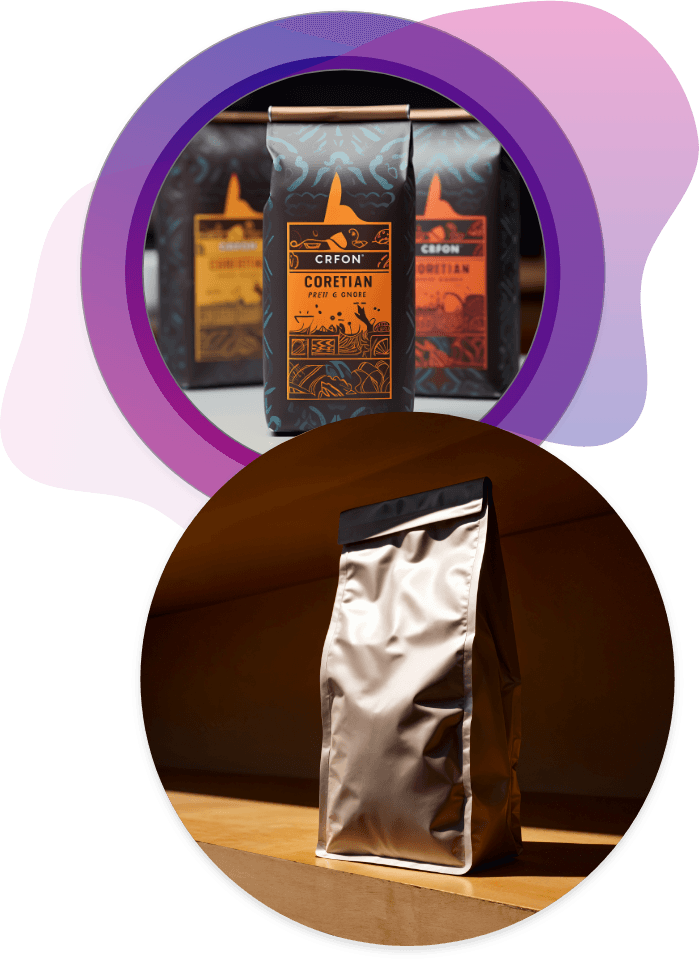
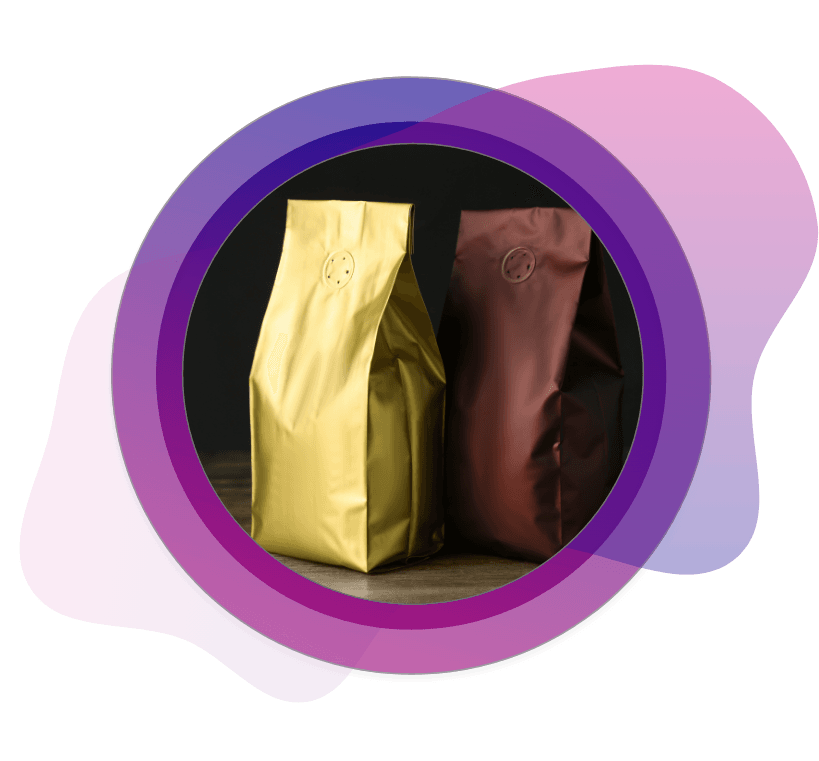
Custom printed stand-up coffee pouch featuring a one-way degassing valve for freshness and aroma control.
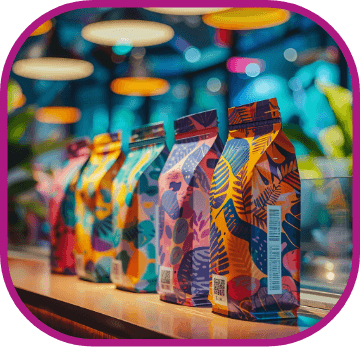
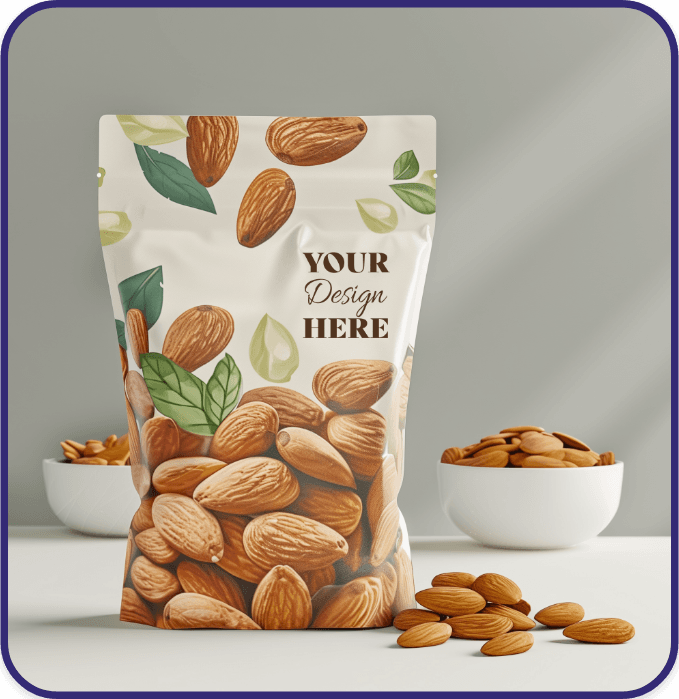
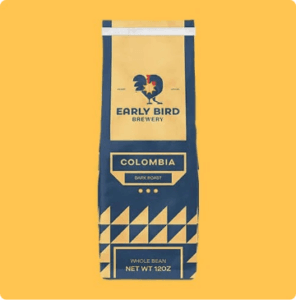
Custom-printed coffee packaging pouches with degassing valves displayed in a premium café environment for retail-ready presentation.

Degassing valves are critical for coffee quality, pouch integrity, and customer satisfaction. Here's more info about the impact degassing valves have on product quality and customer happiness:

Coffee freshness: Degassing valves prevent the build-up of excess carbon dioxide or days or even weeks after packaging. It also keeps oxygen out of the package. Both of these can help pre-oiled, powder, or ground coffee retain its rich aroma and strong flavors. 

Maintaining pouch integrity: Most coffee drinkers want to keep their coffee in the vertical packaging it came in. Imagine how upset they would be if the coffee packaging didn't have a degassing valve and the package exploded after just a few days in storage? 

Enhancing customer satisfaction: Since degassing valves work to keep the product fresh and the packaging intact, they help ensure that customers receive a high-quality product that retains its smell and flavor for a long time. And happy customers = repeat customers.

With the right packaging partner, these degassing valves can be seamlessly integrated into your coffee packaging, helping to keep oxygen and moisture out of your pre-oiled coffee beans.

Common Issues with One-Way Degassing Valve Applicators

When it comes to applying degassing valves to coffee packaging, there are several common issues that can cause the one-way degassing valves to operate incorrectly or not at all.

Misaligned valve application: If the valves aren't aligned correctly on the bag, the integrity of the seal can be impacted. This can cause leaking, reduced valve efficiency, and compromised sealing performance, among other issues.

Inconsistent adhesion: In this case, valves don't adhere properly to the bag film, resulting in detachment or leaks. These leaks can lead to product loss from degradation, compromised seal integrity, and reduced resistance to chemicals and high temperatures.

Poor valve placement or incompatible film: When the valves aren't compatible with the film, functional issues such as incomplete valve closure, leakage, reduced efficiency, and premature wear can occur.

Labor bottlenecks: If the valves are placed manually, this can lead to slower production rates and increased labor costs. Manual valve application is extremely time-consuming, so finding an automated way to add one-way degassing valves is key. 

Issues with semi-automatic valve application machines: Issues with valve application machines can also occur, such as issues with power indicators, clogged filters, and maintaining consistent fill line volumes. 

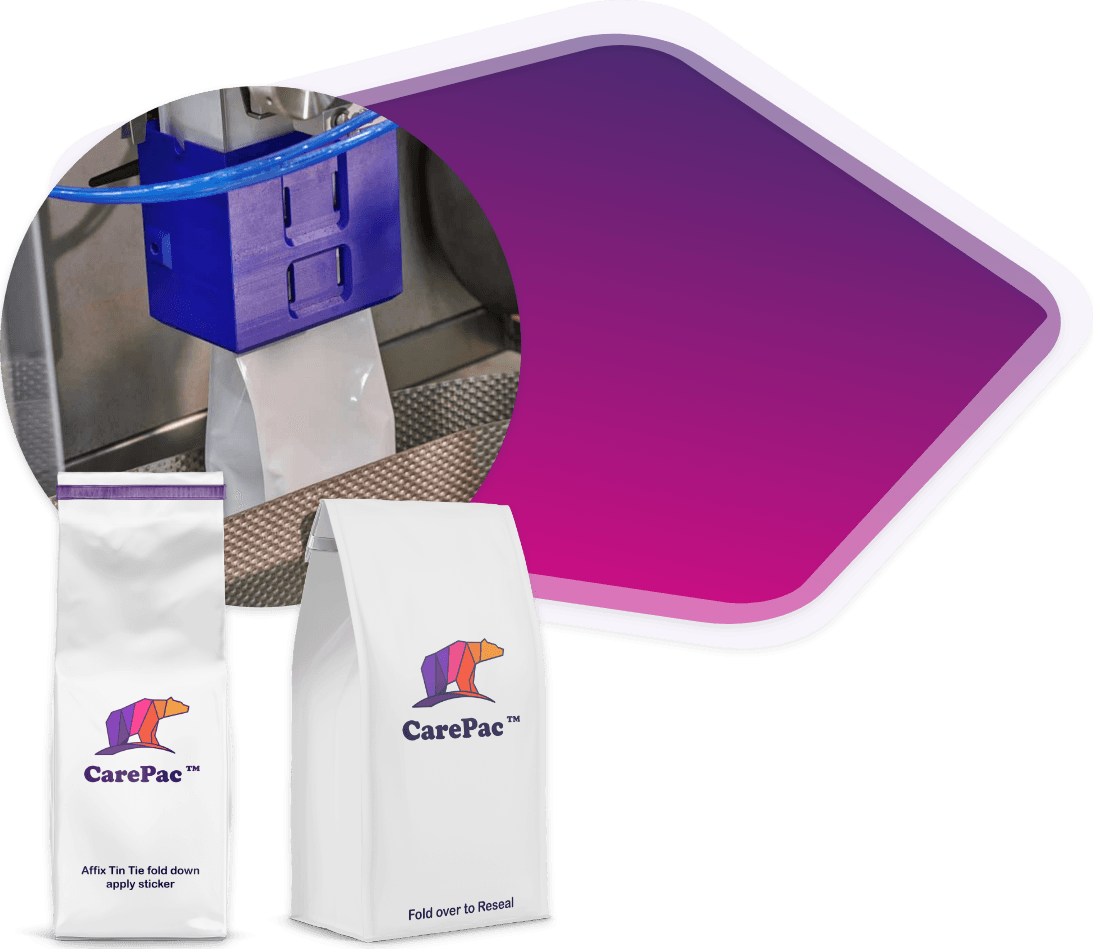
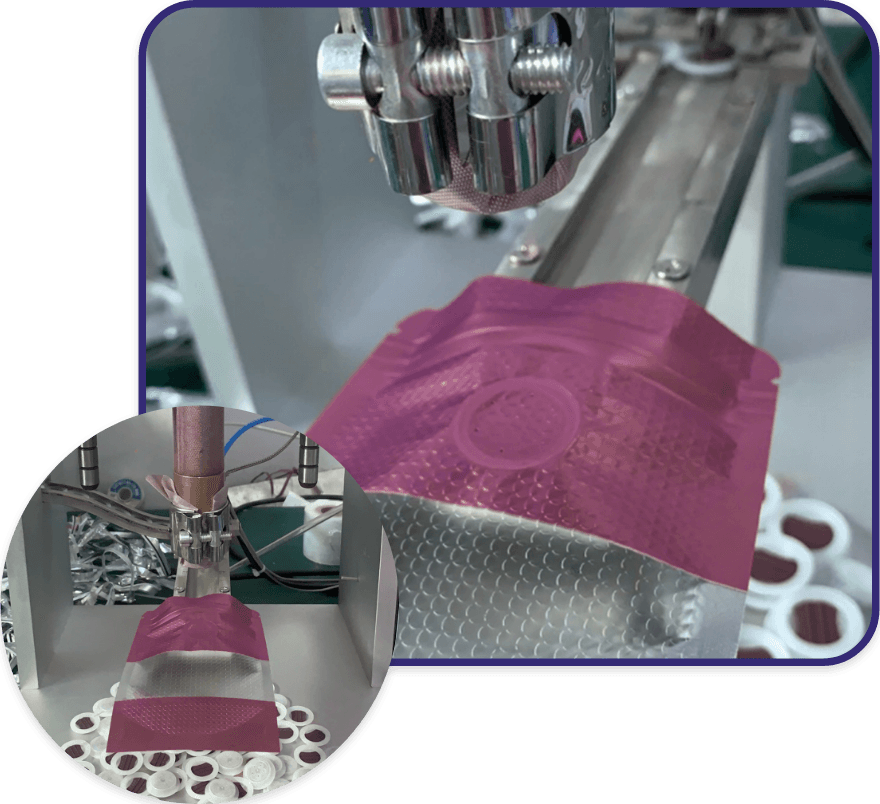
Industrial-grade packaging equipment applying one-way degassing valves to flexible coffee pouches on a high-speed production line.

Introducing CarePac’s Degassing Machines for Flexible Packaging

If you're concerned about the packaging machinery your current provider uses running into any of the above degassing valve issues, consider outsourcing your coffee packaging needs to a company with plenty of valve applicator experience, like us. CarePac uses state-of-the-art JW2 degassing valve application machines. Each machine is capable of applying 1,500 one-way degassing valves per hour. Alignment of the valve is controlled by an adjustable depth gauge and laser sight control system. 

With CarePac's degassing valve machinery, you'll achieve automation speed and consistency, accurate valve placement, compatibility with all types of bag types and film materials, and efficiency gains vs. manual or older semi-automatic models. Plus, it integrates into our existing workflows so you can continue to experience the customized and cost-effective CarePac flexible packaging you're already accustomed to.

This professional and seamlessly integrated machinery allows us to process a higher number of bags per hour with higher accuracy of valve placement. Typically between 10 and 20 bags are destroyed during the heat calibration process. Our valve applicator machine is capable of using different valve molds, so we can apply one way degassing valves from different manufacturers. This way, air and carbon dioxide can escape from your packaging, regardless of its material or individual features.

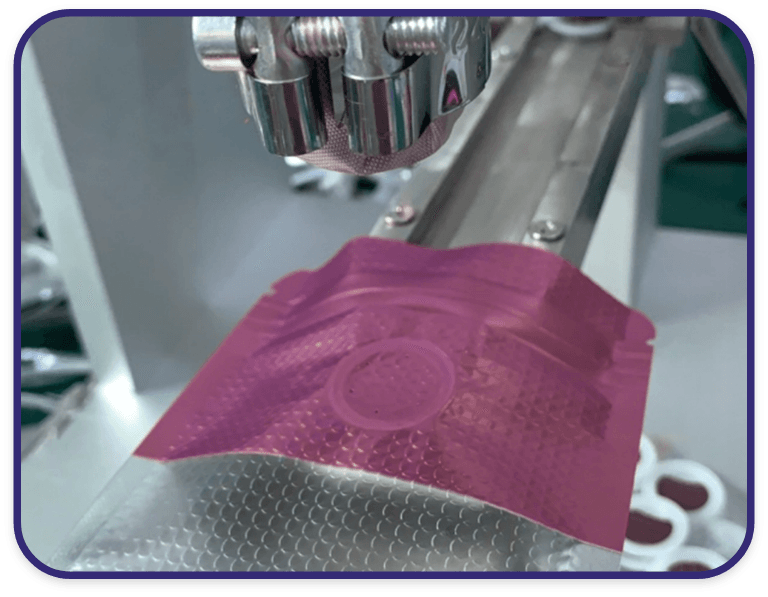
Close-up of a degassing valve being installed on a custom printed coffee pouch using precision heat sealing equipment.

What Makes CarePac a Trusted Coffee Packaging Authority

For companies seeking a flexible packaging expert with valve applicator capabilities, you can't go wrong with trusting us for your coffee packaging needs. We specialize in providing FDA-approved, food-safe packaging for a variety of industries and other markets, including coffee, snacks, and pet food. If you're looking for flexible packaging with valves, we'll keep the oxygen and moisture out of your product. Here are a few benefits to working with CarePac for your coffee packaging needs:

Degassing 09 Degassing Valves for Flexible Packaging

Responsive customer service

We pride ourselves on our customer service and strive to make the entire process as hassle-free as possible. While we use automation in the packaging plant, we maintain a human touch throughout our sales and customer service functions.

Degassing 07 Degassing Valves for Flexible Packaging

Low MOQs

With CarePac, you won't be tied to a huge minimum order volume. We offer low MOQs so businesses of all sizes can get started with customized products. For even faster turnaround, consider CarePac Express, which offers digitally printed pouches with MOQs as low as 100 bags.

Degassing 08 Degassing Valves for Flexible Packaging

R&D capabilities

We love pushing the needle on all things packaging, and one of the benefits of working with us is that we use our years of research and development to continuously improve our packaging. From enhancing the sealing capabilities of our bags to designing freshness systems, we'll make sure you're supplied with the best bags technology can offer.

Is Your Packaging Losing Freshness? Let’s Fix That.

If your coffee is being exposed to air and losing freshness, it's time to draw the line and talk to professionals about your issues. Our helpful sales team is on hand to create the customized coffee packaging you've always dreamed of. We'll integrate with your current processes and will always be available to answer questions and support your packaging goals. 

Contact us today to learn more about our new degassing machine or request a quote today!

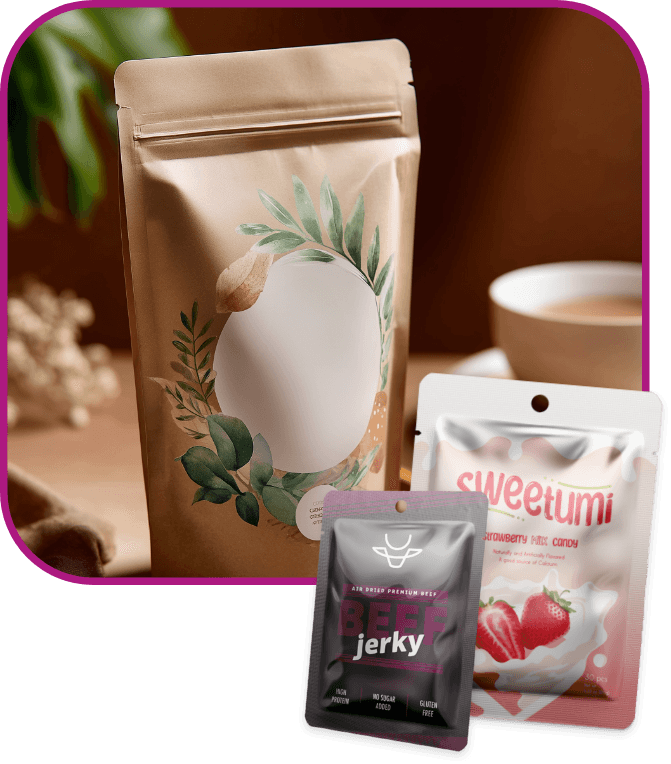
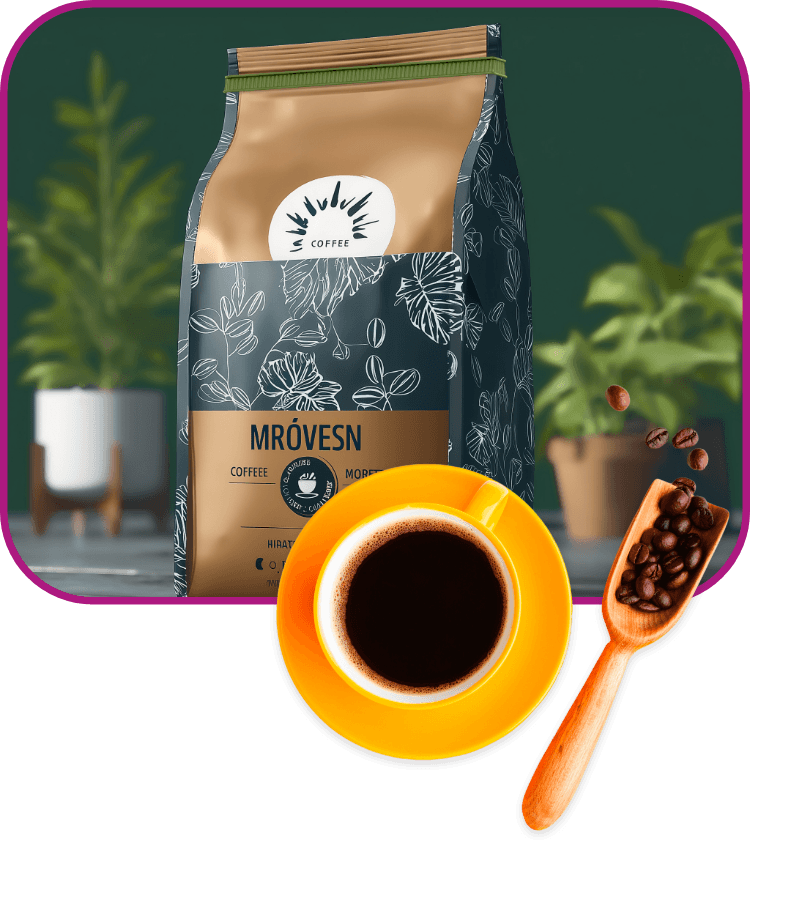
Premium custom printed coffee pouch with colorful geometric pattern and a functional degassing valve for maintaining coffee freshness.

Let's Get Started

united states of america Degassing Valves for Flexible Packaging

Made In
The USA

customize Degassing Valves for Flexible Packaging

Full Pouch
Customization

printer 1 Degassing Valves for Flexible Packaging

Scalable Printing
Digital & Plate

Read More
Packaging Regulation 01 US Packaging Regulation Changes & Trade Tariffs
Other Packaging Topics

US Packaging Regulation Changes & Trade Tariffs

Carepac Logo black US Packaging Regulation Changes & Trade Tariffs
$0.00
Cart

No products in the cart.

round account button with user insidegrey US Packaging Regulation Changes & Trade Tariffs
Carepac Logo white US Packaging Regulation Changes & Trade Tariffs

US Packaging Regulation Changes & Trade Tariffs: What Brands Need to Know

The Evolving US Packaging Landscape: Why Brands Should Learn About These Fair Packaging Changes

The packaging industry, like so many others, is facing increasing scrutiny from regulatory bodies and fair packaging legislation like the Federal Trade Commission, the Poison Prevention Packaging Act, the Environmental Protection Agency, the Recycling Modernization Act, and the Packaging Producer Responsibility Act. Many states have their own packaging and labeling regulation or lab testing requirements, so check the specific packaging and labeling act in your state for more information.

3D illustration of miniature cardboard shipping boxes stacked on a wooden pallet placed over a delivery route map, symbolizing logistics, supply chain, and eCommerce fulfillment services.
Illustration of a cargo ship loaded with colorful shipping containers under the title "US Tariffs – What You Should Know," highlighting information on import/export taxes, customs regulations, and international shipping logistics.

These federal regulations aim to provide clear packaging and labeling requirements in an effort to reduce packaging waste, avoid unfair or deceptive packaging, protect children from exposure to microplastics, pinpoint false environmental marketing claims and exemption certificates, make packaging materials more sustainable, and ultimately aid in plastic pollution prevention.

Businesses of all sizes, regardless of the consumer commodities they sell or the net quantity, should monitor these regulatory shifts and legal requirements. These packaging and labeling regulations apply to everyone that manufactures or sells recycled plastic or single use plastic packaging. By monitoring and adhering to the applicable packaging legislation, including the fair packaging and labeling acts in your state, you can avoid supply chain disruptions and reputational damage, and gain a competitive advantage with uniform packaging and labeling for medical devices or other consumer products.

Extended Producer Responsibility (EPR) Programs: What’s Changing for Packaging?

The Extended Producer Responsibility (EPR) is an environmental policy that shifts responsibility for managing products, including packaging components, throughout their lifecycle from local governments to producers. Key states like California, Oregon, Maine, and Colorado are either implementing or expanding EPR legislation for all types of packaging, including compostable packaging and sustainable packaging. These packaging legislation changes have several impacts on those packaging products. First, it places the burden of remaining compliant with packaging materials to the manufacturers themselves, and second, it can increase compliance costs for businesses. 
So, what kind of impact does packaging EPR legislation have on packaging providers? Since each state has different packaging and labeling requirements there is no uniform packaging standard to follow. But here's a glimpse at some individual states EPR legislation and what it means for plastic packaging providers, from those who packaging cosmetic products, personal care items, food products, and everything in between.

  • California- California's Plastic Pollution Prevention Act was implemented in 2022, and requires producers in the plastics industry to meet specific recycling rates and design requirements. It was around this time that the now infamous plastic bag bans went into effect. 
  • Oregon- The state of Oregon passed legislation in 2021 to support municipal recycling programs and reduce waste. By promoting recyclable materials, these product packaging protocols (and other applicable labeling regulations) aim to reduce packaging waste in the landfills. 
  • Maine- Maine was actually the first state to implement EPR legislation. Established in 2021, the law aims to reduce waste management and improve recycling rates. They outlined minimum recycled content requirements and lab testing, among other sustainable packaging efforts. 
  • Colorado- Colorado's 2022 EPR legislation also aims to increase recycling and reduce waste.

If you package consumer products in one of these states, the law applies to you and you can expect to pay increased fees to cover the costs of collecting, recycling, and other waste management activities. You'll likely also need to switch packaging materials (i.e., avoid rigid plastic packaging containers), implement a compliance and lab testing infrastructure throughout your organization, and invest in educating your consumers about recycling programs and how to properly dispose of plastic packaging, including rigid plastic containers and those made from restricted substances, including polyfluoroalkyl substances.

Trade Tariffs and Global Supply Chain Challenges: How Packaging Costs May Change

Whether you package medical devices, consumer products, or hazardous substances, the upcoming trade tariffs and global supply chain challenges will have a huge impact on the cost of all types of packaging materials, including rigid plastic packaging containers and food service ware. Since tariffs are taxes on imported goods they directly increase the cost of those materials for manufacturers. Luckily, there are several things you can do to mitigate some of these costs:

  • Diversify your supply chains so you aren't relying on a single supplier to package your cosmetic products, personal care items, or other restricted substances. 
  • Optimize your logistics by working with suppliers and packaging providers to optimize shipping routes and minimize transportation costs. 
  • Consider switching to domestic suppliers. Not only will partnering with a domestic supplier help you avoid the tariffs on plastic bags, but they can also help you switch your product packaging to being made from recyclable materials.

U.S-based suppliers like CarePac can provide stability by reducing your reliance on products imported, offering reliable solutions and individualized professional advice, and providing hands-on expertise and in-depth quantity comparisons. By opting for packaging materials and polystyrene containers that are made domestically, you'll minimize your exposure to import tariffs. Connect with us today to see how we can leverage your existing packaging data to find you product packaging that's more affordable.

Futuristic infographic showing an airplane, trucks, and containers over a global map, representing international shipping, freight transportation, global distribution, and supply chain management.

How Brands Can Adapt to Changing Federal Government Policies & Consumer Expectations

Whether you're trying to meet the packaging requirements outlines by the Federal Trade Commission, the Environmental Protection Agency, the Packaging and Labeling Act, or any other packaging and labeling regulation in your state, our professional advice is to focus on proactive planning, material selection, and transparent communication. Here's a bit more about each of these packaging components.

Material Selection and Innovation

If you've always been resistant to recyclable and compostable options (or innovations like resin identification codes), now is the time to consider paper, cardboard, or plant-based alternatives. Minimize your packaging use by using less packaging products and consider flexible packaging options from companies like ours. We can help you meet the regulations for consumer products in your state while making sure to include accurate and adequate information about recycling on the label of your medical devices and consumer commodities.

Sustainable Packaging and Consumer Demand

While it is of course important to adhere to packaging and labeling regulations in your state to avoid fines and fees, it's also important that you're marking requirements like these because of consumer demand. Brands that embrace this trend will gain a competitive advantage, a boost to their reputation, and reducing material usage and waste can also lead to cost savings and operational efficiencies.

Proactive Planning and EPR Legislation Monitoring

The best thing you can do is stay up to date with the packaging and labeling regulations in your state. Monitor industry news, engage with government bodies, and develop a comprehensive strategy for transitioning to more sustainable and uniform packaging and labeling. A full transition can be daunting, so focus first on federal packaging and labeling regulations outlined by organizations like the Federal Trade Commission, before moving onto some of the smaller fair packaging requirements.

Transparent Communication and Customer Education

Whether you just started conforming to a specific packaging and labeling act or if you have been the entire time, you should inform your customers about the sustainable features of your packaging. Make sure they know what it's made from, how to dispose of it, and provide value comparisons that are easy to read and understand. Continuously assess the impact of your uniform packaging and labeling and identify areas of improvement.

Switch to Better Alternatives

There is no time like the present to switch to packaging that adheres to the applicable regulations in your state. We can help you review the fair packaging and labeling requirements you need to adhere to, and can even provide price and quantity comparisons between different materials. Whether you're packaging medical devices, food products, or other consumer commodities, we'll work with you to meet the packaging and labeling requirements outlined by your state. 

Request a free quote or contact us today to get started.

Customer and store associate reviewing food product packaging in a grocery aisle, emphasizing consumer engagement, custom printed packaging, point-of-sale experience, and product display design.

Lets Get Started

united states of america US Packaging Regulation Changes & Trade Tariffs

Made In
The USA

customize US Packaging Regulation Changes & Trade Tariffs

Full Pouch
Customization

printer 1 US Packaging Regulation Changes & Trade Tariffs

Scalable Printing
Digital & Plate

Read More
Innovative 05 Innovation in Packaging: Smart Packaging Solutions for Large Brands
Packaging Design, Sustainable Packaging

Innovation in Packaging: Smart Packaging Solutions for Large Brands

Carepac Logo black Innovation in Packaging: Smart Packaging Solutions for Large Brands
$0.00
Cart

No products in the cart.

round account button with user insidegrey Innovation in Packaging: Smart Packaging Solutions for Large Brands
Carepac Logo white Innovation in Packaging: Smart Packaging Solutions for Large Brands

Innovation in Packaging Design: Smart Packaging Solutions for Large Brands

The Rise of Innovative Packaging Design: Why It Matters for Brands & Consumers

In today’s fast-paced and highly competitive marketplace, food packaging has evolved far beyond its traditional role of protecting the products inside. Nowadays, packaging design is a critical component of brand identity, customer engagement, and sustainability strategies. With growing consumer awareness, technological advancements, and increased market competition, packaging innovation is no longer optional—it’s essential for both small companies and large brands aiming to differentiate themselves, improve their supply chain, and remain relevant within the food industry.

Colorful stand-up pouches displayed, highlighting CarePac’s food-safe custom packaging for everyday brands.
Custom CarePac pouch displayed in a sci-fi space setting, symbolizing next-generation barrier packaging and innovation

Twenty years ago, plain or basic food packaging was the norm in the food industry around the world: whether it was unbranded plastic packaging, recycled cardboard, or some other type of basic packaging material, consumers and brands weren't as focused on sustainable packaging solutions as they are today. 

In 2025 and beyond, the packaging supply chain will shift to focus on food packaging made from plastic alternatives, including recyclable materials and plastic-free packaging. These sustainable packaging materials can help companies and brands just like yours achieve a lower carbon footprint, avoid single use plastic, and meet their sustainable packaging goals in style.

Smart Packaging Innovations: How Technology is Transforming the Packaging Industry

Modern consumers expect more from manufacturers and packaging design than just aesthetics or protection. They seek efficient packaging that aligns with their values—particularly around environmental responsibility and convenience. This has driven companies and manufacturers to invest in smart packaging that integrates digital features like QR codes, sensors, and NFC tags, enhancing the consumer experience through interactivity, traceability, and real-time information. 

At the same time, sustainable and recyclable packaging has become a top priority. With concerns over plastic pollution, climate change, and the overall environmental impact of plastic packaging, companies have significantly reduced their dependence on high barrier single use plastic. Instead, they're focusing on packaging made from eco-friendly materials, like biodegradable films and other innovative materials.

Types of Smart Packaging Innovations

Generally speaking, there are two types of smart packaging solutions you can create: active packaging and intelligent packaging. Learn a bit more about each of these innovations below.

Worker wearing protective gear operating in a hygienic packaging facility, emphasizing CarePac’s commitment to quality and food safety standards

Active Packaging

Active food packaging is a packaging innovation that actually interacts with the environment around it in order to extend shelf life, preserve freshness, and improve safety. This is especially helpful in the food industry, where things like oxygen scavengers, moisture regulators, and antimicrobial coatings can help prevent spoilage, while freshness indicators can help consumers and markets make informed decisions and reduce food waste.

Digitally printed flexible pouch with floral design and QR code, ideal for interactive smart packaging and product tracking

Intelligent Packaging

Intelligent packaging leverages digital technologies that allow the packaging to communicate information, track movement, and engage users. Think: QR codes that users can scan to learn more about the farmers that create their food and RFID that allows for real-time supply chain tracking and improved inventory management. Whether you're a small batch jam maker or sell fresh milk, keeping track of your products via more efficient packaging, artificial intelligence, or machine learning technology can help you make better purchasing decisions.

Custom Packaging Innovation: How Large Brands Are Adapting to Consumer Needs

In today's diverse and ever-changing e-commerce landscape, taking a one-size-fits-all approach to packaging and sustainability will no longer cut it. Brands are tailoring their packaging innovations and materials to align with their products and the growing demands of their target consumers. Over the years, we've noticed a growing demand for these types of packaging throughout the packaging industry:

  • High barrier protection for food and pharmaceuticals- Whether your physical packaging is intended for food products or medications, using high-barrier packaging materials can help prevent contamination, preserve freshness, and maintain potency. 
  • Tamper-proof and child-resistant designs- As cannabis continues to be legalized for recreational use across the United States, we've noticed an uptick in demand for tamper-proof and child-resistant packaging design. 
  • Personalized consumer experience via packaging technology- As consumers continue to value personalization and interactivity, packaging design has become a new frontier for marketing. By using QR codes, AR, or leveraging digital printing to customize packaging for different regions, creating packaging that's as personalized as possible is key.

If you'd like to bring innovative packaging with visual appeal to your consumers, we can help. Our packaging innovations can take your basic, plastic packaging to the next level while continuing to protect the shelf life of your product. Whether you opt for recycled resin, paper boxes, or other eco friendly options, we'll create packaging that will protect products, reduce your carbon footprint, promote recycling, and improve consumer engagement.

The Role of Eco-Friendly Packaging Innovations in the Industry

Key takeaways from recent studies show a clear shift in consumer expectations, with more and more consumers willing to pay a premium for eco-friendly packaging materials that are recyclable. This demand and forward-thinking is pushing companies to rethink their packaging design process to align with the growing preference for sustainable products. Here are a few innovations we've seen among packaging designers and manufacturers in recent years.

Colorful floral stand-up pouch displayed in a bright kitchen, highlighting CarePac’s food-safe custom packaging for everyday brands.

Biodegradable and Compostable Food Packaging

One of the more promising trends is making packaging that breaks down naturally without producing waste or harmful residues. Packaging made from bioplastics or compostable materials (i.e., potato starch, corn-based polymers) are approved by the Sustainable Packaging Coalition and play an essential role in the push towards greater sustainability.

Recyclable Flexible Barrier Materials

In the past, flexible barrier packaging has been difficult to recycle. But, with recent innovations, like new-generation polyethylene (PE) and polypropylene (PP) that are more recyclable, you can achieve similar performance without the recycling challenges.

Minimalist Designs to Reduce Plastic Packaging Waste

Finally, taking a minimalist approach to packaging design can help companies maintain their identity while reducing their footprint in markets. This trend focuses on things like "right size" packaging that eliminate excess layers or boxes that will just end up in the landfill.

What’s Next? The Future of Smart & Sustainable Packaging Innovations for Large Brands

So, what's next in the packaging industry? Well, the future is limitless. From artificial intelligence and machine learning to IoT, technology is constantly changing and new innovations are constantly being discovered. Companies can prepare for the future with adaptable, scalable, and technology-driven packaging solutions, like ours. By partnering with CarePac for your packaging needs, you'll always be one step ahead of the competition. Our expertise in flexible packaging innovation can't be beat, and we invite you to explore our line of sustainable, recyclable, and eco-friendly options

Contact us today to discuss your sustainability goals, which materials we recommend, and how we leverage technology to bring you the best packaging materials we can.

Vibrant custom stand-up pouches in leopard and abstract patterns, showcasing CarePac’s high-quality flexible packaging for consumer products.

Let's Get Started

united states of america Innovation in Packaging: Smart Packaging Solutions for Large Brands

Made In
The USA

customize Innovation in Packaging: Smart Packaging Solutions for Large Brands

Full Pouch
Customization

printer 1 Innovation in Packaging: Smart Packaging Solutions for Large Brands

Scalable Printing
Digital & Plate

Read More
Pecan 03 1 Packaging Life Cycle Analysis
Other Packaging Topics

Packaging Life Cycle Analysis

Carepac Logo black Packaging Life Cycle Analysis
$0.00
Cart

No products in the cart.

round account button with user insidegrey Packaging Life Cycle Analysis
Carepac Logo white Packaging Life Cycle Analysis

Packaging Life Cycle Analysis: Why It Matters

What Is Packaging Life Cycle Analysis (LCA)?

A life cycle assessment (or analysis) is defined as the methodology used to assess the environmental impact of a product throughout its life cycle. It's used in the packaging industry, specifically, to determine the product life cycle and environmental impact of different types of packaging, from cartons and flexible packaging materials to plastics and aluminum cans. A packaging life cycle assessment is crucial to reducing your environmental footprint, as it can have a positive impact on ocean plastic pollution, methane emissions, greenhouse gas, energy and water usage, and other key environmental impact categories that affect sustainability. 

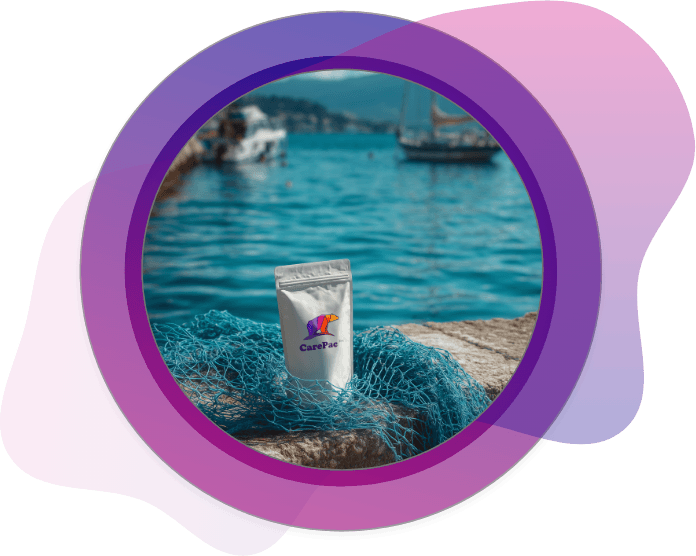
Compostable white stand-up pouch with CarePac logo resting on a fishing net near the ocean, promoting eco-friendly packaging in coastal environments.
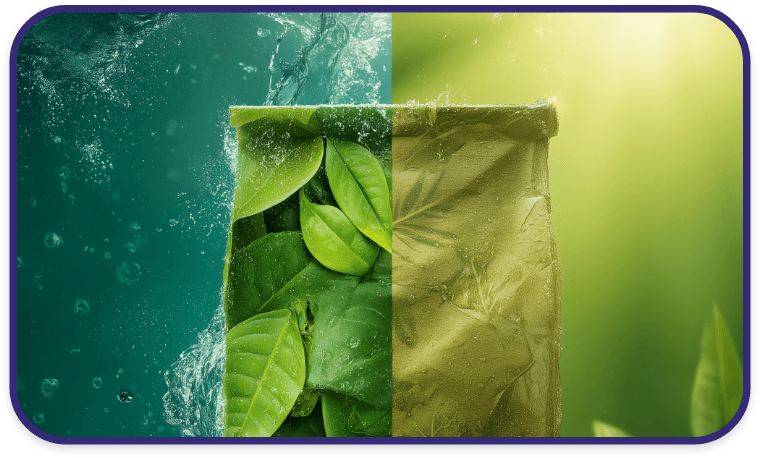
Sustainable stand-up pouch design with split background—underwater and forest—with green leaves on the left and kraft-style paper on the right, highlighting eco-conscious duality.

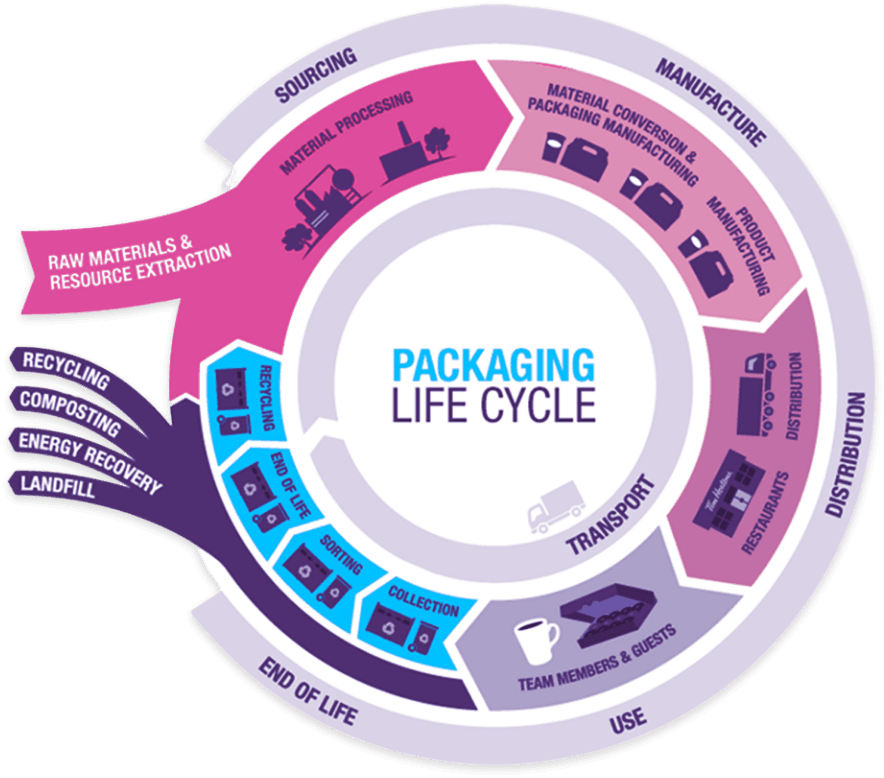
The key stages of a packaging life cycle assessment include looking at raw material extraction, manufacturing, transportation, use, and the packaging's end-of-life (disposal, recycling, composting.) Several tools used for life cycle assessments of packaging materials include specialized software like SimaPro, GaBi, and PIQET, and screening tools like EcoImpact-COMPASS. These tools and software don't just make assumptions -- they assess the entire life cycle of a packaging solution so companies can make informed decisions about the materials and manufacturing process of their existing (and future) packaging solutions.

Circular infographic showing the full packaging life cycle from raw materials to recycling, composting, and landfill, illustrating sustainable packaging practices.

Why Packaging LCA Matters in Design

The life cycle assessment of your packaging has a huge impact on packaging design. Businesses use the results of their life cycle assessment (LCA) to choose smarter, more sustainable materials and plastics. This helps them reach their sustainability commitments and reduce their carbon footprint. Since the LCA is a comprehensive review that looks at things like raw material extraction, end of life, and multiple aspects of the supply chain, it also helps prevent greenwashing (the practice of appearing to be eco-friendly on the surface but not actually having any impact or making progress on environmental goals.)

In addition to helping evaluate material selection, packaging research also informs design decisions related to functionality, weight, disposal, and recyclability. For example, a company may discover through an LCA analysis that reducing packaging weight or eliminating unnecessary layers can significantly lower emissions during transport and manufacturing. It can also highlight opportunities to progress towards a shift toward mono-material designs that are easier to recycle. 

By incorporating LCA assumptions and insights early in the design process, businesses can focus on creating packaging that balances performance, consumer appeal, and environmental responsibility—leading to more transparent, data-driven decisions across the product life cycle.

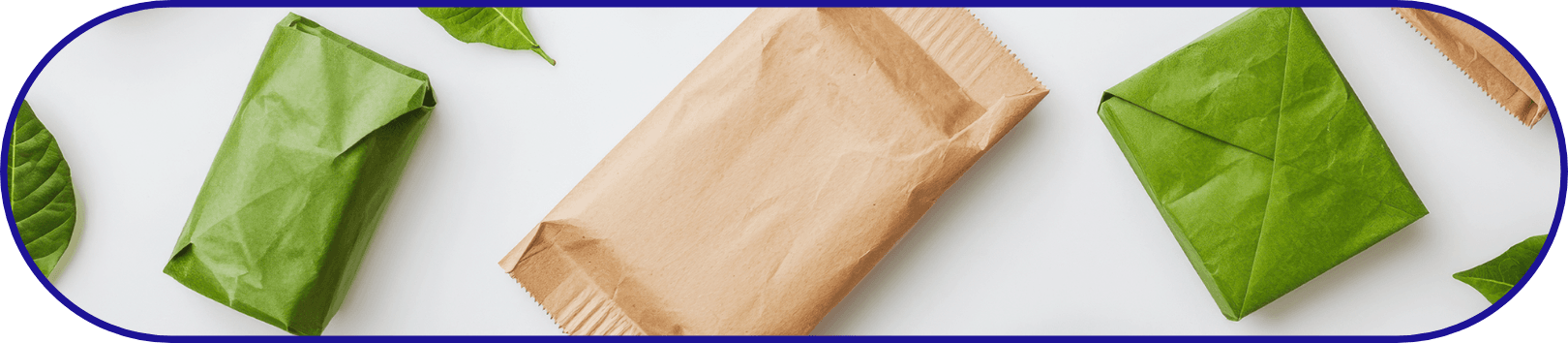
Multiple kraft paper pouches and green leaves laid out on a white surface, showcasing compostable and sustainable flexible packaging options for eco-conscious brands.

Comparing Packaging Materials Through an LCA Lens

If you're wondering what the results of a life cycle assessment might look like in real life and how companies evaluate the info to make packaging decisions that can impact climate change, here's an example. Say you're comparing the environmental performance and impact of a glass bottle vs. a flexible pouch -- here are some of the takeaways you might expect from your LCA results:

Detailed view of a brown kraft stand-up pouch featuring the colorful CarePac bear logo, emphasizing custom printed compostable packaging.

Flexible pouches waste less energy and use fewer materials, making it more resource efficient. On the other hand, glass is heavier than most plastics and uses more energy, but is made from abundant natural materials and is often easier to recycle. 

When it comes to transportation, pouches can reduce the carbon footprint during transport while glass's weight and fragility can increase its environmental impact. 

Glass has a circular life if properly collected and recycled, while pouches have limited recycled content and even less recycling infrastructure.

As you can see, no packaging alternatives are better than something else. The best choice depends on context, including manufacturing, transportation, water usage during the production life cycle, and end of life plans for the product. You'll need to evaluate the data and choose the materials and services that make the most sense for you and the overall environmental impact of your company.

How CarePac Helps You Make Sustainable Packaging Choices

At CarePac, we provide ourselves on providing a variety of material options to our customers, and we're constantly working on the sustainable development of new product offerings. If you'd like to review the life cycle assessment (LCA) of any of our products or materials, we'd be happy to provide them and answer any questions you have about our sustainable products. Currently, we offer packaging materials that include PCR plastic, recyclable packaging, PFAS-free food packaging, and several biodegradable and compostable options. We're all about reducing our carbon footprint and can help you do the same. 

A person holding a heart-shaped leaf in front of their chest, symbolizing eco-friendly values

By working with us, you can also reduce your environmental impact in other ways. For example, you can avoid unnecessary overpackaging or poor end-of-life options. Whether you're concerned about the raw material used in your packaging or the energy and tools required during the manufacturing process, we can help you make informed packaging decisions that'll have a positive environmental impact. We're all about transparency with our packaging design and services.

A trio of plant-themed stand-up pouches with botanical designs, emphasizing sustainable and visually appealing packaging for organic products.

Final Thoughts: Think Beyond the Circular Economy Buzzwords

When it comes to packaging design and life cycle assessment, it's important to emphasize data-driven decision making over "eco-friendly" marketing claims that have zero substance. If you truly care about improvement in sustainability, we can help you evaluate your existing packaging framework and system boundaries and identify areas where you can enhance sustainability and minimize your environmental impact. 

Today’s consumers and stakeholders are looking for authenticity and measurable impact when it comes to sustainability—not just green-colored packaging or buzzwords. CarePac is your trusted partner in navigating the innovation and complexities of sustainable packaging. With our expertise in materials, compliance, and life cycle assessment (LCA), we can help you align your packaging choices with real sustainability metrics and data, ensuring that your environmental efforts are both credible and effective—not just cosmetic.

White box bottom pouch and stand-up pouch placed in a vibrant wildflower meadow and a scenic mountain waterfall, showcasing natural, compostable packaging in an outdoor setting representing eco-friendly packaging solutions inspired by nature.

Packaging LCA FAQs

Here are some common questions we receive about sustainability and how the proper packaging choices can help reduce your environmental impact.

Q: What do my LCA results mean? 

A life cycle assessment (LCA) measures the environmental impact of a product through every phase of its life – from production to waste (or recycling, etc.). But LCA isn't simple – there are countless factors involved and it can be difficult for manufacturers to review the results and make a decision right away.

Q: What are the challenges of sustainable packaging?

The core challenges of sustainable packaging often come down to cost, infrastructure, durability, and regulatory complexities. For example, sustainable packaging is often more expensive due to lower availability and less-established supply chains, but its environmental impact cannot be understated.

Q: How can I assess the environmental performance of my packaging?

To assess the environmental impact and sustainability of your packaging, you can use life cycle assessments (LCAs) and focus on key data like carbon footprint, resource use, and recyclability. By reviewing the results, you can find areas of improvement when it comes to resource use, waste, energy use, and other sustainability factors. 

Q: How long does a life cycle assessment (LCA) usually take?

Since a life cycle analysis evaluates at so many different factors and can use several different tools, the methodology can take anywhere from 3-6 months to complete. 

Let's Get Started

united states of america Packaging Life Cycle Analysis

Made In
The USA

customize Packaging Life Cycle Analysis

Full Pouch
Customization

printer 1 Packaging Life Cycle Analysis

Scalable Printing
Digital & Plate

Read More
Environmental Holidays 04 1 Guide to Environmental Holidays
Other Packaging Topics

Guide to Environmental Holidays

Carepac Logo black Guide to Environmental Holidays
$0.00
Cart

No products in the cart.

round account button with user insidegrey Guide to Environmental Holidays
Carepac Logo white Guide to Environmental Holidays

Environmental Holidays: A Year-Round Guide to Celebrating the Planet

Why Celebrate Environmental Awareness Days?

As climate change continues to impact the world around us, environmental awareness is growing in popularity all around the world, and not just during the holiday season. As such, it's incredibly important to honor and celebrate all the environmental holidays that pop up throughout the year. Not only does honoring special environmental days, like World Migratory Bird Day, National Park Week, and Energy Efficiency Day help bring attention to these important issues, but it can help you connect with your consumers and loved ones on a much deeper level. 

In this blog, we'll discuss some of the most popular environmental holidays (sometimes called green holidays) and how you can use them to get more involved in sustainability efforts and eco friendly awareness throughout the year.

A person holding a heart-shaped leaf in front of their chest, symbolizing eco-friendly values, with an overlay of a tree growing from the Earth, representing sustainability in packaging design.

Earth Day & Other Green Holidays & Environmental Days

When people think about sustainable or environmental holidays, the first thing that comes to mind is Earth Day in April, but there are many other opportunities to celebrate biological diversity and the Earth all year long. The United Nations and other environmental organizations have created various awareness days and environmental days to promote sustainability and conservation throughout the world. Celebrating these environmental holidays can help individuals and communities make a huge difference in protecting the planet by bringing awareness to the cause.

Here is an ultimate list of all the major environmental holidays that focus on reducing our environmental footprint and food waste, improving clean air, helping endangered species, and making greener choices. By celebrating these national and international days you can help bring some much-needed attention to environmental issues that deplete the ozone layer and impact everyone around the world.

Here are some environmental awareness days and eco friendly holidays to mark down in your calendars:

World Wetlands Day- Second day of February
World Wildlife Day- March 3
International Day of Forests- March 21
World Water Day- March 22
Arbor Day- April 25
World Migratory Bird Day- May 10 
Endangered Species Day- Third Friday in May 
World Environment Day- June 5
World Oceans Day- June 8
World Rainforest Day- June 22

World Habitat Day- October 6

International Day of Climate Action- October 24
America Recycles Day – November 15
World Soil Day- December 5
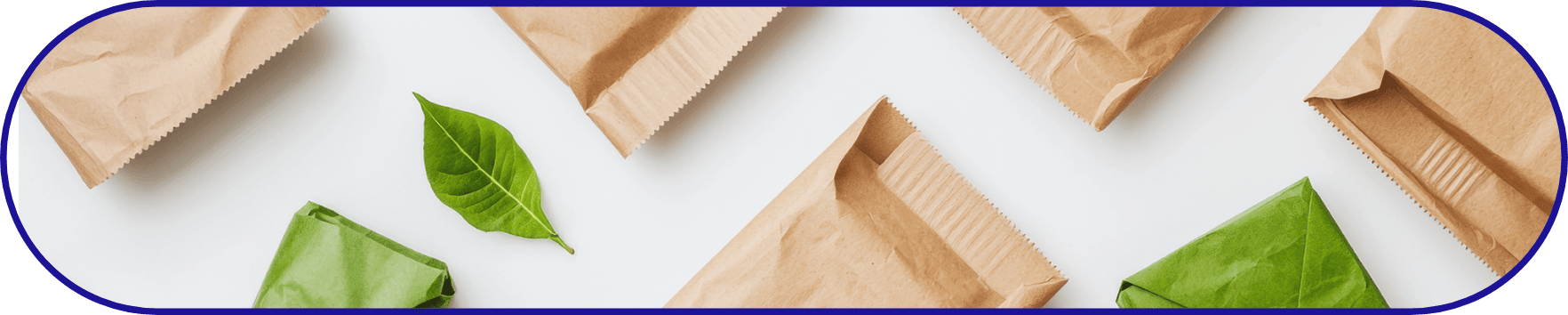
Multiple kraft paper pouches and green leaves laid out on a white surface, showcasing compostable and sustainable flexible packaging options for eco-conscious brands.
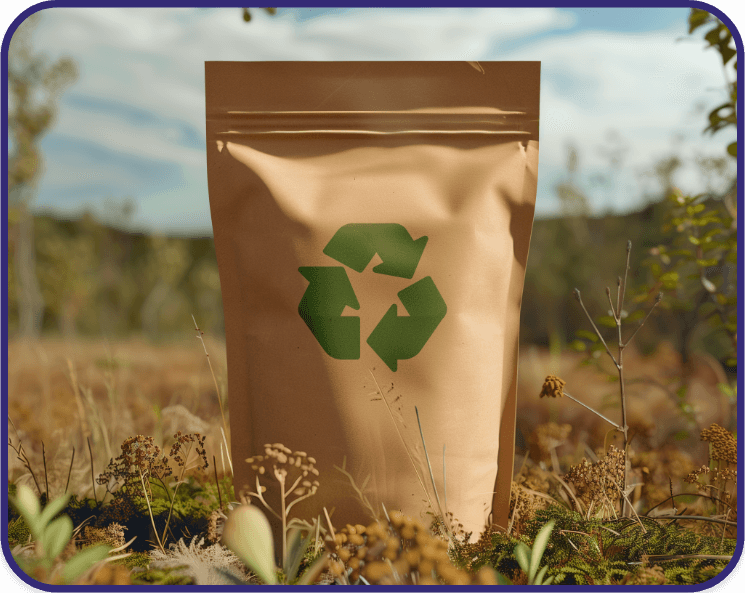
A brown kraft stand-up pouch with a green recycling symbol, displayed outdoors in a natural environment, highlighting compostable and environmentally responsible packaging.

Other environmental days occur on a more recurring basis, like Meatless Mondays, which encourages people to avoid eating meat every Monday. Other environmental days, like Earth Hour, Plastic Free July, or Zero Waste Week occur across a hour, an entire month, or an entire week, respectively. Regardless of when they occur or how long they last, these environmental holidays are a great opportunity for brands to focus on their sustainability and promote important organizations like the Environmental Protection Agency and the United Nations General Assembly. 

Whether the eco friendly holiday falls on a Friday, Saturday, Sunday, Monday, or any other day of the week, mark it down and prepare to celebrate these awareness days.

Easy Ways to Honor These Holidays as a Business

As a brand, there are several ways you can get involved and help combat desertification. First, you can use social campaigns to raise awareness for these important world days, and use the holidays as a way to bring your team closer together (think employee beach clean up days or other fun family outings for a good cause.) Align your sustainable actions with your company goals so your customers have insight into your overarching sustainability goals. 

If you haven't yet switched to eco-friendly packaging, there is no time like the present to invest in the future. Whether you manufacture holiday decorations specifically for the holiday season or products used all year long, a greater focus on the environment never goes out of style.

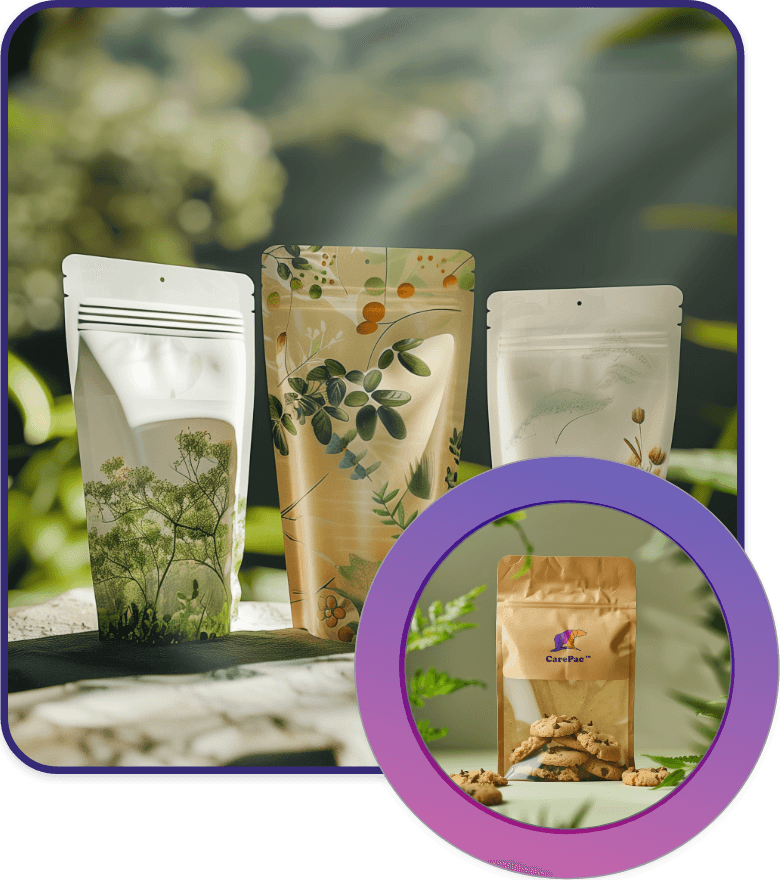
A trio of plant-themed stand-up pouches with botanical designs and a CarePac kraft pouch in the foreground, emphasizing sustainable and visually appealing packaging for organic products.

How CarePac Supports Your Eco-Friendly Goals

At CarePac, we understand that sustainability is more than just a trend — it’s a commitment to the future. That’s why we offer a range of eco-conscious packaging solutions that help your business reduce its environmental footprint without compromising on quality or performance. Our eco-friendly packaging options include recyclable, compostable, and packaging made from plant-based materials, each with its own unique advantages.

Recyclable Packaging

Our recyclable pouches and bags are designed to be easy to sort and process in existing recycling streams. This is ideal for brands looking to reduce landfill waste and contribute to a circular economy by using recycled materials.

Compostable Packaging

Made from renewable plant-based resources, our cost effective compostable packaging breaks down in commercial composting facilities — returning nutrients to the earth instead of creating lasting waste. Perfect for food, cosmetics, and specialty products.

Plant-Based Materials

CarePac offers innovative packaging made with bioplastics derived from sources like corn, sugarcane, and cellulose. These renewable alternatives to petroleum-based plastics help lower your carbon footprint and dependence on fossil fuels.

Why Choose CarePac as Your Partner in Sustainability?

At CarePac, our celebration of green holidays isn't just symbolic — it can (and does!) drive real change. If you'd like to celebrate these international days all year long, whether they take place on a Friday, Sunday, or some other day of the week, now is the perfect time to start. Whether you're looking for sustainable gift wrap this holiday season or want to add special touches to your eco-friendly packaging with high-gloss features or QR codes, we're here to help.

Here are several important benefits of working with CarePac to make your brand more eco friendly and sustainable:

  • Custom Packaging with Purpose – Our design team helps you balance sustainability with functionality and brand appeal. You'll be able to protect nature without losing your brand messaging. 
  • Low Minimum Orders – Small businesses can go green without over-ordering or creating excess waste. With our low MOQs you can help reduce waste and energy while still having enough packaging to meet the extra holiday demand. 
  • Future-Ready Innovation – We continuously research and add the latest green packaging technologies to our product line. At CarePac, we're always on the hunt for energy conscious packaging that gets the job done while still protecting the environment.

Ready to get started? Have questions? Request a quote today to get started.

Let's Get Started

united states of america Guide to Environmental Holidays

Made In
The USA

customize Guide to Environmental Holidays

Full Pouch
Customization

printer 1 Guide to Environmental Holidays

Scalable Printing
Digital & Plate

Read More
Pecan 03 Earth Day 2026
Other Packaging Topics, Sustainable Packaging

Earth Day 2026

Carepac Logo black Earth Day 2026
$0.00
Cart

No products in the cart.

round account button with user insidegrey Earth Day 2026
Carepac Logo white Earth Day 2026

Earth Day 2026: How Your Business Can Make a Real Impact with Sustainable Packaging

What Is Earth Day and Why It Matters in 2026

Earth Day is an annual global event held on April 22. The first Earth Day was held in 1970 by Earth Day organizer Senator Gaylord Nelson as a way to raise awareness about environmental issues affecting planet Earth, like global warming, plastic pollution, roadside trash, and sustainable development. Growing environmental issues make Earth Day more relevant than ever for businesses, and many companies now recognize the economic and ethical benefits of adopting more sustainable practices. 

3D illustration of purple hands gently holding a heart-shaped globe, symbolizing sustainability, global care, and eco-conscious packaging initiatives.
Stylized digital image of a pink hand holding a pastel shopping bag with a glowing shopping cart icon, representing e-commerce, consumer packaging, and retail design trends.

The Earth Day Network, along with its partner nonprofit organizations, provides community engagement opportunities and environmental awareness at the local, state, national, and global levels. Earth Day Network launched shortly after the first Earth Day and currently works with partners in over 190 countries to build environmental protection agencies and reverse environmental destruction. If you're a business that's curious about Earth Day 2026 and want to take part in this annual event, keep reading for how you can make cleaner swaps when it comes to product packaging, specifically.

How Packaging Waste Contributes to Environmental Issues

Packaging waste is a major source of roadside trash and plastic pollution, both of which cause environmental destruction, climate change, and global warming. Approximately 40% of the world's plastic waste comes from product packaging, and a significant portion of that ends up in the landfills. The biggest culprits are retail, food, and e-commerce, with e-commerce alone contributing over 2 million pounds of plastic packaging in 2019. 

Fortunately, there are several things business can do to reverse environmental destruction and take part in this important environmental movement, including using more sustainable packaging materials, reducing excessive packaging, implementing effective waste management systems, raising public awareness, and educating employees and customers about their carbon footprint.

5 Packaging Swaps to Support a Greener Planet

In addition to the above, you can also take environmental action to reduce roadside trash by switching to greener packaging options. Here are some actional swaps you can take today:

By opting for environmentally-friendly packaging from the get-go, you won't have to worry about issues like plastics being rejected from local facilities, plastics degrading over time, or consumers tossing recyclable containers in the trash. Learn more about our eco-friendly packaging options.

Multiple striped purple shopping bags arranged in neat rows on a gradient background, highlighting retail packaging solutions and consistent branding for eco-friendly businesses.

How Eco-Friendly Packaging Benefits Your Brand

Unless you're living under a rock, you've probably noticed that climate change and global warming are hot-button issues. The only way to reverse environmental destruction is to stop it from happening in the first place, whether by using renewable energy, taking part in environmental education initiatives, or fighting for environmental laws like the Clean Air Act or Endangered Species Act, consumer demand for this environmental movement is growing.

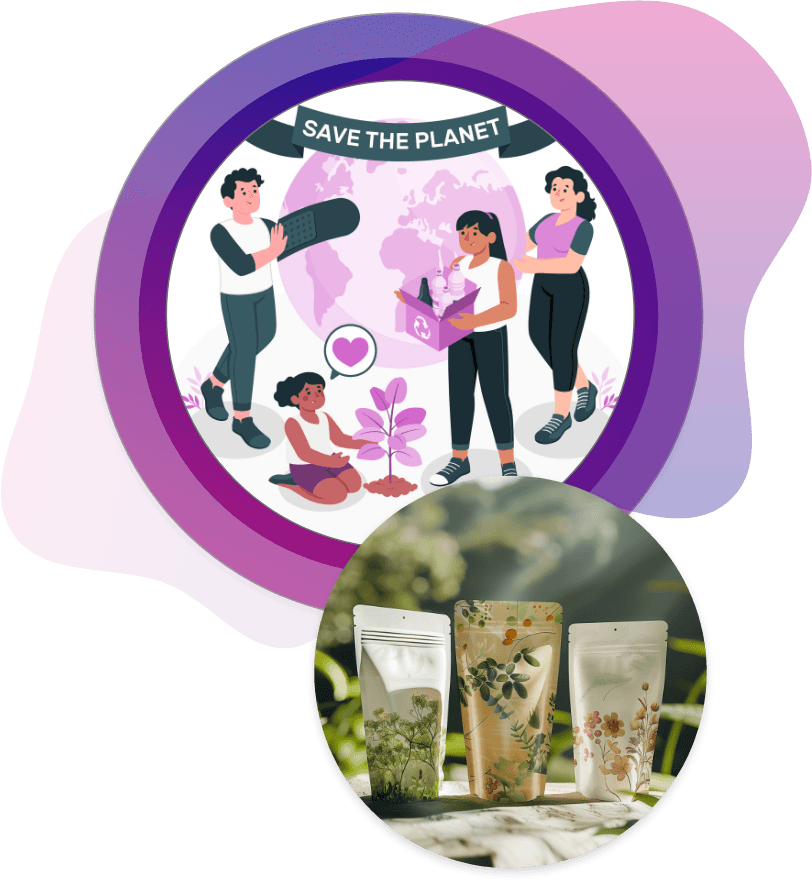
Illustrated women engaging in sustainable activities around a “Save the Planet” sign, paired with real-life compostable stand-up pouches featuring natural designs, showcasing eco-friendly packaging practices.

There are several ways that eco-friendly packaging can benefit your brand, including:

Reduced operational costs- Implementing sustainable practices, like using renewable energy or taking part in waste reduction programs, can lead to significant cost savings in the long run. 

Mitigation of environmental risks- Proactive sustainability efforts can help businesses slow global warming and avoid costly regulatory penalties and lawsuits related to environmental damage. 

Resource efficiency- Sustainable practices can optimize resource utilization, reducing waste and material costs, leading to increased profitability. 

Improved brand reputation- Modern consumers are more likely to choose brands that focus on environmental issues or use renewable energy. 

Competitive advantage- If your competitors aren't taking part in Earth Day celebrations or focusing on environmental issues, doing so can help you gain a competitive advantage. 

Enhanced employee engagement- One less talked about benefit to cutting carbon emissions and being more eco-focused is that your employees are more likely to be engaged and loyal.

How CarePac Supports Climate Change Goals Year-Round

At CarePac, we can help you combat these environmental issues year round. We’ll help you select a material, perfect your branding, design the perfect package, and decide on eco-friendly packaging that’s right for you and your industry. Overwhelmed with the options? We’re here to help, and are more than happy to recommend the correct product! Have questions about sustainable packaging advantages or recycled packaging materials? Contact us today.

Collage-style image of a tree growing from a cutaway Earth illustration, symbolizing environmental regeneration, responsible packaging lifecycle, and green business practices.

Final Thoughts: Make Earth Day Celebrations Count

While celebrating Earth Day 2026 is important, it's also important to protect planet Earth year round. Your commitment to a sustainable future shouldn't end when the Earth Day celebrations end; instead, it should be engrained into the culture of your company. Whether you plant trees with your employees, attend a climate rally, work to raise public awareness, or do something that pushes for stronger or immediate action, all of these combined can help combat environmental issues and protect planet Earth. 

We encourage you to lead by example this Earth Day 2026 by taking the leap into sustainable packaging. Join us in the effort to stop global warming and push for environmental protection by going (and staying) green. Ready to go green? Talk to the CarePac team today about custom sustainable packaging.

Vector illustration of a woman with long purple hair hugging the Earth, surrounded by foliage, representing sustainability, environmental awareness, and care for the planet in packaging design.

Earth Day 2026 FAQs

Here are some common questions we've received about Earth Day 2026.

Q: When is Earth Day 2026? 

Earth Day 2026 will be celebrated on April 22. You can celebrate Earth Day (and Earth Week) by signing petitions, contacting television stations to ask for an Earth Day feature, or partaking in other environmental science-focused Earth Day activities. Check with your local city for more information about its Earth Day events and how you can help support Earth Day celebrations on a local scale. So mark Earth Day on your calendar and get ready to celebrate Earth Day 2026 with fun Earth Day activities!  

Q: How can my business support   environmental education? 

To support environmental education, businesses can implement green practices, educate employees and customers, partner with relevant organizations, and donate or sponsor environmental projects. This can involve reducing waste by switching to recyclable containers, conserving resources, using clean electricity, and promoting sustainable consumption habits. 

Q: What is the Earth Day Network?

The Earth Day Network was established after the first Earth Day and connects with college campuses, the private sector, and other important organizations on the world stage to fight against climate change and improve environmental literacy. It reaches hundreds of thousands of people each year to raise environmental awareness and to help stop global warming. They're in urgent need of support, so visit their website to see how you can help support its various programs.

Lets Get Started

united states of america Earth Day 2026

Made In
The USA

customize Earth Day 2026

Full Pouch
Customization

printer 1 Earth Day 2026

Scalable Printing
Digital & Plate

Read More
Evolving Market 06 Custom Packaging for Evolving Market Needs
Other Packaging Topics

Custom Packaging for Evolving Market Needs

Carepac Logo black Custom Packaging for Evolving Market Needs
$0.00
Cart

No products in the cart.

round account button with user insidegrey Custom Packaging for Evolving Market Needs
Carepac Logo white Custom Packaging for Evolving Market Needs

Custom Packaging for Evolving Market Needs: Adapting to Change

Why Packaging Design Changes Are Important for Brands

Packaging changes are essential for brands to stay competitive, improve sales, stay up-to-date with customer preferences, and maintain strong brand identity in a highly competitive market. If you stay up-to-date with packaging design, you already know that it's not uncommon (and certainly isn't wrong) for brands to focus on a logo or packaging redesign every so often. 

A young woman with a backpack browses a grocery store aisle filled with colorful stand-up pouches and custom food packaging on black shelves, showcasing evolving consumer packaging trends.
A woman in a pink skirt holds a white shopping bag with the colorful geometric CarePac logo, illustrating strong visual branding and private label packaging identity.

Whether it's adjusting the product name, testing a different logo or label look, enhancing the visual appeal, improving usability, or changing the material so it's more eco-friendly, there are several ways brands can move past their original packaging and create product packaging that feels fresh in this modern world. 

In this blog, we'll discuss old packaging vs new packaging and how you can enhance your brand image by testing a new design.

Old Packaging vs New Packaging: Key Drivers of Change

Sustainability and Eco-Friendly Packaging Redesign

With growing environmental awareness, consumers increasingly seek eco-friendly packaging options, requiring brands to adopt sustainable materials and practices. If your loyal customers are looking for brands they support to make positive changes relating to the environment, giving your packaging design a fresh look by shifting from difficult-to-recycle plastics to materials that can be composted might be a great next step. 

Gather feedback from your consumers, see what's important to them, and consider incorporating those elements into the redesign process. This is just one example of how you can use valuable customer feedback to sell more.

Staying Current with Your Competition

Many brands go through a packaging redesign so they can stay current with the market. One thing you can do is walk through the aisles at your local market and see what your competitors are doing with their packaging. Pick it up from the shelf and actually hold it in your hands. How does it feel? Look? Smell? Bonus points if you buy it and take it home from you to see how it opens. Take your own surveys and do your own research to see what benefits other brands are getting from their packaging. File away what you learn and incorporate it into your design later.

Technology and Smart Packaging Innovations

Yes, improving sustainability is important, but so is bringing your packaging to the 21st century during the packaging redesign process. Some key innovations to consider include NFC-enabled packaging, QR codes that can help enhance transparency and give you another way to engage with your target audience, using biodegradable materials, or using active packaging for extended shelf life. An example of "active" product packaging includes using theses like antimicrobial coatings or oxygen scavengers.

Policy & Regulatory Changes Impacting Your Original Packaging

Another key driving factor of ditching old packaging in favor of new packaging is regulatory or policy changes. From bans on single-use product packaging, especially if it's made from plastic, to the cannabis industry evolving what needs to be included on the packaging itself, if there's new regulations that focus on product packaging in your specific industry, it might be time for a new packaging design.

Close-up of four vibrant resealable pouches with tropical leaf designs in various colors, emphasizing eco-conscious packaging and premium print quality.

What Consumers Expect from Modern Packaging

There are several things consumers expect from modern packaging design. If you're currently redesigning packaging for your band, here are some things to consider:

Personalization and Custom Branding

Customer feedback shows that they value personalization and custom branding because it makes them feel special and valued. If you send a customer cards or boxes with their name on it, it makes them feel like you went the extra mile and could encourage them to purchase from you again in the future. You want to do whatever you can to get a repeat purchase from your consumers.

Create Convenience and Functionality

Ultimately, the new design you're testing should be functional and easy to open. Don't you hate it when you break a nail trying to open a box from a retail store? Listen to the concerns of your customers and, if this is one of them, your packaging redesign should focus on making your packaging easier to open than your competitors. This is one area where testing your packaging with a control group can be helpful. They'll let you know what you're doing wrong and how you can further enhance your image.

Packaging that Reflects your Brand Identity and Values

Consumers, especially younger ones, care a lot about your brand story and if it's something they can relate to. If your co-founder is especially philanthropic or from a disenfranchised community, you might want to include their story on your package. Make your packaging personal and use it as an opportunity to showcase what makes you more appealing or different from other retailers. Consumers want to buy from brands they find similarities with.

A woman holds a resealable pouch with a customizable “Your design here” label, surrounded by cozy lighting, ideal for artisanal or boutique product packaging.

How Brands Can Adapt to Evolving Industry Trends

One important part of adapting to evolving industry trends is to get ahead of the redesign before your sales suffer. Instead of thinking "what can I gain from a packaging redesign?" ask yourself what you can lose out on from not doing it. Your packaging redesign should be proactive, not reactive. It should give your product new life on the shelf and look current without detracting from the look of your brand. 

It's important to maintain the fidelity of your brand throughout the redesign process. This is one area where getting input from those outside of your company can be helpful. Ask friends, family, or even strangers what they think about the redesign.

CarePac: Your Partner in New Packaging Design  

CarePac is a trusted partner that helps brands and consumers navigate these changes, offering custom packaging solutions tailored to their needs. One example of our many differentiating factors is that we actually consult businesses on material choices, design or concept updates, and compliance, ensuring a seamless transition to better, future-proof packaging. Get out of the past and create new and improved packaging that'll help your product sell. 

A white CarePac-branded stand-up pouch sits on a counter beside a smaller version and a white mug, demonstrating product line flexibility and brand consistency.
A silver resealable stand-up pouch pours dried citrus and vegetables onto a white surface, highlighting food-safe barrier packaging and freshness retention.

The packaging landscape is constantly evolving—brands must stay ahead by embracing sustainability, smart technologies, and regulatory shifts. CarePac is here to make that transition effortless, and we will help you create and design packaging that remains competitive, compliant, and consumer-friendly. Ready to elevate your packaging? Contact CarePac today for expert guidance on your next redesign! 

Have questions about your existing design, including your logo or label placement? Connect with us for a design consultation!

Let's Get Started

united states of america Custom Packaging for Evolving Market Needs

Made In
The USA

customize Custom Packaging for Evolving Market Needs

Full Pouch
Customization

printer 1 Custom Packaging for Evolving Market Needs

Scalable Printing
Digital & Plate

Read More
Seal Integrity 06 Packaging Seal Integrity Testing: Why It Matters
Other Packaging Topics

Packaging Seal Integrity Testing: Why It Matters

Carepac Logo black Packaging Seal Integrity Testing: Why It Matters
$0.00
Cart

No products in the cart.

round account button with user insidegrey Packaging Seal Integrity Testing: Why It Matters
Carepac Logo white Packaging Seal Integrity Testing: Why It Matters

Packaging Seal Integrity Testing: Why It Matters and How It’s Done

What is Seal Integrity Testing?

Seal integrity testing is exactly what it sounds like: it's the process used to identify quality control issues regarding the seal strength of a package. Packaging seal integrity testing ensures a bag can withstand external pressures and avoid small leaks or issues with internal pressurization. It goes beyond a simple visual inspection and uses a standard test method (or a combination of methods) to verify the package integrity, specifically the integrity of the seal. 

Many people use the terms "seal strength" and "seal integrity" interchangeably, but they actually refer to two different things. Seal strength refers to the ability of the seal to withstand a specific pressure or load, and seal integrity refers to the ability of the seal to maintain a proper seal and prevent gross leaks. This blog will discuss packaging seal integrity specifically, and why packaging integrity testing can help extend the shelf life of your product.

Vacuum chamber pouch seal test with pressure gauge for flexible packaging durability at CarePac lab

Why is Seal Integrity Testing Important?

Seal integrity testing is important for several reasons. This type of flexible package testing can aid with leak detection, ultimately ensuring your product stays safe during manufacturing, transport, and storage. It can also ensure you comply with industry standards and regulations.

Web 1920 – 01 Packaging Seal Integrity Testing: Why It Matters

Ensuring Product Safety and Quality

A compromised seal, regardless of the package shapes, can cause your product to be exposed to various environmental conditions, like moisture and oxygen. This can lead to contamination, which can impact food safety or, if it's medical packaging, can lead to sickness or death. 

Web 1920 – 02 Packaging Seal Integrity Testing: Why It Matters

Meeting Industry Standards and Regulations

There are several regulatory standards that must be met, particularly in the food and pharmaceutical industries. If you go through package testing and are confident that your seal will stay intact through the life cycle of your product you'll be in a better position to meet these regulations.

Web 1920 – 1 Packaging Seal Integrity Testing: Why It Matters

Extending Shelf Life and Saving Costs

Testing for seal integrity reduces product waste by identifying weak or faulty seals early in the process -- before they become a major problem for you or your customers. This can lead to cost savings and an improved bottom line, since your quality control process will be enhanced with this type of testing.

Common Methods for Seal Integrity Testing

There are several popular methods for seal integrity testing, including bubble leak testing and dye penetration testing. We'll discuss some of the more popular product quality testing methods below.

Vacuum Decay Testing

Vacuum decay testing detects leaks in sealed packaging by placing the package inside a chamber, evacuating the air to create a vacuum, and then monitoring the pressure inside the chamber over time. If the pressure rises significantly, this is an indication of a leak.

Burst Testing and Peel Testing

This type of leak testing measures the force required to burst or peel a part a sample strip cut from the seal material. This is a popular method of detecting gross leaks in medical or pharmaceutical packaging.

Bubble Emission Testing

Bubble leak testing involves submerging the flexible package into a water or solution. The package is then inspected for bubbles. Any issues with the package seal can be identified as a steady stream of bubbles being released by the entire package during testing. 

One of the most widely used methods for this test is ASTM D3078, the Standard Test Method for determination of leaks in flexible packaging by bubble emission. This method is particularly effective for detecting gross leaks in sealed packaging. The package is submerged in water, and a vacuum is applied to detect leaks by observing air bubbles escaping. It is commonly used in food, pharmaceutical, and medical device industries to ensure package integrity. For more information on vacuum-based leak detection, visit Haug Quality's Pack-Vac Leak Detectors.

Click to play

Watch our video on Bubble Emission Testing

Best Practices for Seal Integrity Testing

When it comes to inspecting your packaging materials for leaks or tears, there are several best practices to keep in mind:

  • Conduct regular testing 
  • Make sure to choose the right leak testing method for your product
  • Integrate testing into your production workflow to improve outcomes 
  • Establish clear acceptance criteria 
  • Perform regular calibration checks on your testing equipment 
  • Always use standardized testing method that are suitable for your packaging types

Make sure to establish a process, and that your entire team is trained on the appropriate testing measures for whatever you're manufacturing

Blue food pouch undergoing pressure resistance test with electronic monitoring for packaging strength analysis

How CarePac Supports Seal Integrity for Flexible Barrier Packaging

CarePac is a leader in the flexible packaging industry and is proud to provide packaging solutions that are strong, compliant, and of the highest quality. Our packaging expertise focuses on delivering products that meet the strict requirements of various industries, including the food, pharmaceutical, and medical device industries. 

Our flexible barrier packaging is designed for optimal protection, ensuring that your products remain safe and secure throughout their lifecycle. We place a strong emphasis on regulatory compliance, and our packaging adheres to global standards outlined by the FDA and other relevant regulatory bodies. One of the standout features of our products is our focus on strong, reliable seal integrity. We use state-of-the-art materials and manufacturing techniques that will help extend the shelf life of your products. 

If you're ready to start your project or have questions about our manufacturing process, contact us today to get started.

Vacuum chamber pouch seal test with pressure gauge for flexible packaging durability at CarePac lab

Let's Get Started

united states of america Packaging Seal Integrity Testing: Why It Matters

Made In
The USA

customize Packaging Seal Integrity Testing: Why It Matters

Full Pouch
Customization

printer 1 Packaging Seal Integrity Testing: Why It Matters

Scalable Printing
Digital & Plate

Read More
National Retailers 01 How to Package Your Product for National Retailers
Other Packaging Topics

How to Package Your Product for National Retailers

Carepac Logo black How to Package Your Product for National Retailers
$0.00
Cart

No products in the cart.

round account button with user insidegrey How to Package Your Product for National Retailers
Carepac Logo white How to Package Your Product for National Retailers

How to Package Your Product for National Retailers

Why Retail Product Packaging Matters

Retail product packaging is incredibly important for the success of your product. Not only does it help your product stand out on the store shelves and acts as an extension of your brand identity, but your overall packaging strategy can actually improve your ROI, help minimize waste, and improve brand recognition by generating consumer interest as they walk through grocery stores.

National Retailers 01 How to Package Your Product for National Retailers
National Retailers 02 1 How to Package Your Product for National Retailers

If you're curious about how your product can stand out on grocery store shelves, you've come to the right place. In this blog, we'll dive into how to ensure your product packaging meets national retailer standards for food packaging and will discuss key considerations to ensure your product packaging is ready for retail stores. 

Whether you're new to the food industry or are simply looking to enhance store visits for already-popular food brands, we can help! 

Steps to Ensure Your Product Packaging Meets National Retailer Standards

Have you ever browsed through grocery shelves and been drawn to a product with especially attractive packaging? Whether you're showcasing your product at trade shows, on social media, or grocery chains on a national or regional scale, market research shows that you only have one opportunity to attract your target market -- and that opportunity is through great packaging design that gives your product a competitive edge. 

From understanding retail packaging requirements to choosing the right packaging materials, here are some tips for ensuring your product meets national retailer standards and convinces your target audience to make repeat purchases.

Understand Retail Packaging Requirements (Size Matters!)

National retailers and local distributors (and wholesale distributors) have specific requirements for their packaging. Some may require that you use recycled materials and others have very specific dimensions you need to meet so the product will fit on their existing store shelf space. Check with the food business, store manager, or store owner for specific requirements your product packaging will need to meet. Luckily CarePac offers totally custom solutions for packaging you can customize the size, configuration, and material to match your needs. We also offer prototyping services so you can be sure you have it right before ordering 100,000. 

Design Packaging That Stands Out on Store Shelves

As discussed, your first opportunity to attract potential customers is your product packaging. Whether you use Kraft paper, recycled paper, eco-friendly materials, or other custom solutions, the way your product packaging looks can influence a consumer's purchase decision heavily. You'll need to design visually appealing packaging that aligns with your unique brand identity. Make sure to balance your packaging design with functionality and durability -- after all, perfectly designed external packaging means nothing if the food items inside spoil due to improper packaging.

Choose the Right Packaging Materials

When it comes to packaging design, selecting the right materials cannot be stressed enough. Flexible barrier packaging is the superior choice for most consumer goods, including food products sold at grocery stores. This type of product packaging is durable, fully customizable, and can be made using eco-friendly packaging materials. To browse our full selection of materials, including sustainable packaging materials, please visit our materials page.

National Retailers 03 How to Package Your Product for National Retailers

Key Considerations for Packaging Ready for Retail Stores

Printing and Labeling Requirements

Whether you opt for eco-friendly packaging or some other type of food packaging, it's essential that the printing of your multiple products is clear and accurate. You should include any relevant UPC codes, product details, and anything else that might speak to the buying habits of your target audience. We can handle custom printed food packaging for manufacturers of all sizes. Just contact us to get started!

Packaging That Meets Shipping Demands

One benefit of working with CarePac for your eco-friendly packaging is we can help food brands ensure their packaging will hold up during shipping and distribution as it heads to grocery stores. In addition to investing in our high-quality packaging, we also recommend using packing peanuts, Kraft paper, and bubble wrap as necessary. This way, your product will be delivered intact while meeting all necessary shipping and industry standards.

Sustainable Packaging Trends

Another way to help your product stand out is to meet the demand for eco-friendly packaging solutions. Sometimes customers are even willing to pay a higher retail price in grocery stores if they know the product in question takes sustainability into consideration. If you're shipping a product, consider skipping the bubble wrap for recycled packaging peanuts or some other kind of sustainable option. We can support your sustainability initiatives -- just discuss your desires with us and we can work them into your packaging design.

National Retailers 04 How to Package Your Product for National Retailers

How CarePac Simplifies Retail Packaging for Manufacturers

CarePac simplifies retail packaging for manufacturers by offering custom packaging design that meets retailer standards. Since we specialize in flexible packaging, we provide manufacturers with tailored product packages that not only protect products but also enhance their presentation on the retail shelf.

With CarePac’s expert custom design services, businesses can ensure their packaging is optimized for functionality and retail requirements. Whether you're a large enterprise or a small business, CarePac delivers packaging solutions that streamline the manufacturing process, ensure compliance, and meet the unique needs of each retailer. If you've gone through a competitive analysis and have consumer feedback to incorporate into your design, just let us know! 

By choosing CarePac, businesses can improve their packaging strategy with flexible packaging that balances cost-efficiency with high-performance standards. CarePac helps manufacturers stand out on retail shelves while offering durable solutions that support their business goals.

National Retailers 05 How to Package Your Product for National Retailers

Packaging Design FAQs for Small Businesses

Based on customer feedback, online reviews, and sales data, here are some common questions we receive about food packaging and how it can enhance your brand identity in grocery stores. 

Q: What are the key requirements for retail product packaging?

The key requirements for product packaging include branding to help enhance brand recognition, clear information about the product and its manufacturing processes, and sustainability. It's also important to make sure your packaging design meets regulations, is high-quality so it doesn't deteriorate while it waits for shelf space, and it should include a barcode or information about any loyalty programs you might offer.

Q: Does CarePac offer custom packaging for national retailers?

Yes! We offer custom packaging design solutions for customers in a variety of industries, including those who want to reach target consumers online and in grocery stores. Whether you're an online business, are looking to offer an even lower wholesale price to your distributors, or want to reach your target market with competitive pricing, we can help create the perfect packaging design for your CPG and food products.

Q: How can flexible barrier packaging help my business?

Flexible packaging can enhance your business by improving customer loyalty and brand loyalty, and it can also significantly extend the shelf life of your product while it sits on the shelves in grocery stores. If you include links to social media and other key benefits or key differences about the product on the product packaging, it can help improve sales by making sure you're reaching your ideal customer.

Q: What is the best way to design retail-ready packaging?

To design the best retail-ready packaging that's ready for grocery stores, prioritize a balance between visual appeal, functionality, and practicality by considering factors like: strong branding elements, clear product information, easy opening mechanisms, stackable design, shelf-space optimization, sustainable materials (i.e., recycled bubble wrap), and a user-friendly unboxing experience.

Let's Get Started

united states of america How to Package Your Product for National Retailers

Made In
The USA

customize How to Package Your Product for National Retailers

Full Pouch
Customization

printer 1 How to Package Your Product for National Retailers

Scalable Printing
Digital & Plate

Read More
Regulations Frozen Food 01 Navigating FDA & USDA Regulations for Frozen Food Packaging
Food Industry Packaging, Other Packaging Topics

Navigating FDA & USDA Regulations for Frozen Food Packaging

Carepac Logo black Navigating FDA & USDA Regulations for Frozen Food Packaging
$0.00
Cart

No products in the cart.

round account button with user insidegrey Navigating FDA & USDA Regulations for Frozen Food Packaging
Carepac Logo white Navigating FDA & USDA Regulations for Frozen Food Packaging

Navigating FDA & USDA Regulations for Frozen Food Packaging

Why Compliance Matters for Frozen Food Packaging

Ensuring your frozen food packaging materials meet regulatory standards for food contact substances is important because, at its core, these global and FDA regulations protect the consumer from harm. Since the USDA and FDA regulations for frozen food packaging prevent harmful substances from contaminating food, the food won't pose a health risk to consumers. These food safety regulations ensure frozen fruits and foods are safe to eat and that the quality of the food doesn't degrade during storage regardless of its shelf life.

Frozen cubes of carrots, corn, green beans, and peas stacked
Vacuum-sealed beef cuts in clear chamber vacuum pouches during industrial food packaging process.

By complying with the food labeling requirements and other regulations set forth for the food industry, not only are you effectively avoiding litigation due to non-compliance, but you're helping build trust with your customers. Yes, the Food and Drug Administration sets proper packaging standards to protect the health of consumers, but adhering to these strict regulations plays a crucial role in your brand's reputation in the market.

If you're able to avoid giving your customers foodborne illnesses by ensuring compliance and therefore preventing contamination during the transportation, cooking, or freezing process, this is a well known example of the crucial role packaging plays in customer satisfaction.

Global Regulations for Food Contact Materials

Although this blog focuses primarily on the federal food regulations of the USDA and FDA, it's important to note that several food safety standards for food manufacturing and storage exist globally. From the European Union to South American regulations, here are some of the more popular regulations set for packaging manufacturers on a global scale. These apply to manufacturers of all sizes in these markets, including those that supply and package frozen food for consumers.

European Union No 10/2011

Commonly referred to as the Plastics Regulation, this piece of EU legislation establishes safety standards for plastic packaging materials that come in contact with food. These food contact substances have specific requirements for composition, migration limits, and compliance testing. The regulation defines which monomers, additives, and other substances can be used in the plastic materials and has been amended three times to reflect new scientific assessments. Ultimately, it protects consumers from plastic contamination in their food.

MERCOSUR GMC n 3/92

This consumer safety regulation establishes protocols for food packaging manufacturers within MERCOSUR (Southern Common Market) countries, including Argentina, Brazil, Paraguay, and Uruguay. Like other safety regulations, this standard defines approved materials, additives, and monomers used in food packaging and requires mitigation testing and harmonization with other standards. MERCOSUR is updated regularly to reflect the latest advancements in food science, and always puts the safety of consumers first.

Brazil RDC n 91/2001

Brazil RDC Resolution No. 90/2001 is a regulation issues by ANVISA, and it establishes requirements for food contact substances within Brazil. Like the others, it sets specific migration limits, outlines testing and compliance requirements, and ensures that plastic materials do not alter the taste, odor, or composition of food products. If your company produces or sells food products in Brazil, you'll need to familiarize yourself with these food packaging requirements.

Vacuum-sealed packaging containing seasoned meat and fresh broccoli in textured high-barrier pouches.

21 CFR: Understanding FDA Regulations for Frozen Food Packaging

In the United States, specifically, the FDA maintains Title 21 of the Code of Federal Regulations (21 CFR), which governs food and drug safety, and includes regulations for food contact materials. It is enforced by the FDA. Here, we'll discuss the key food safety sections relevant to food contact materials.

Key Sections Relevant to Food Contact Substances

21 CFR Part 174 – General provisions for indirect food additives, including basic safety requirements. It outlines Good Manufacturing Practices (GMPs) and if a material complies with an existing CFR regulation it doesn't require further FDA approval. 

21 CFR Part 179 – This part of the FDA standard regulates the use of ionizing radiation (irradiation) during the production, processing, and handling of food-contact materials. Though it's not super applicable to packaging materials that come in contact with food, it is still worth mentioning. 

21 CFR Part 175 – Establishes FDA regulations for adhesives and coatings used in most food packaging (e.g., can coatings, paper coatings). These regulations ensure that these packaging materials do not transfer harmful chemicals to food under normal conditions and during intended use. 

21 CFR Part 180- Establishes regulations for food additives that are permitted for use by manufacturers in food processing. These substances are sometimes added to fresh and frozen food items, like canned food, to preserve freshness, improve flavor, and extend shelf life. 

21 CFR Part 176 – Provides safety regulations for paper and paperboard that comes in contact with food. This includes paper-based packaging materials such as boxes, wrappers, bags, and takeout containers that come in direct or indirect contact with food. 

21 CFR Part 181- Outlines the regulations for substances that are classified as Generally Recognized as Safe (GRAS) when used in food. This part provides the criteria for determining whether a substances qualifies as Generally Recognized as Safe or if it needs to go through the FDA approval process. 

21 CFR Part 177 – This FDA safety regulation applies to plastic materials and resins. It establishes the requirements for the safety and suitability of polymers used in food-contact applications and lists approved substances and conditions for their use.

21 CFR Part 186 – Governs the use of polymers and other similar substances as indirect food additives in food packaging, processing, and handling. It ensures that polymers used in food-contact applications are safe and comply with FDA standards for migration limits and material safety. 

21 CFR Part 178 – Lists food-contact additives, such as antioxidants and stabilizers for packaging, and provides regulations for them. Part 178 includes substances used in the production of food-contact materials such as plastics, coatings, adhesives, and paperboard, and ultimately focuses on preventing contamination. 

21 CFR Part 189- This outlines a comprehensive list of food ingredients that are prohibited from being used in human food because of their potential to harm human health. This is part of the FDA's broader effort to ensure the safety of the food supply and protect consumers from contamination and dangerous ingredients or chemicals.

Key Packaging Considerations for FDA & USDA Compliance

If you're currently designing or manufacturing packaging for food manufacturers, here's how the USDA and FDA regulations impact packaging design and manufacturing.

Steps to Ensure FDA Compliance

Ensuring that your food packaging gets FDA approval is essential for consumer safety and the compliance of your company. Here's a quick checklist that can help you navigate the regulatory process effectively:

  • Identify applicable FDA regulations 
  • Select safe and approved materials and substances for your original packaging 
  • Conduct in-house safety and migration testing, and write down anything worth noting
  • Submit documentation for review and FDA approval 
  • Maintain ongoing compliance by establishing an internal audit process

By following these steps, you can ensure that your packaging materials meet the requirements outlined by the FDA. Additionally, the food itself should be free from harmful additives and the packaging may need to include nutrition labeling, a breakdown of net quantity, nutritional content, information about the packaging's environmental impact, nutrition facts, or other information.

Clear vacuum pouches with cod fillets, surrounded by snow peas and lemon slices, emphasizing freshness and quality.

Steps to Ensure Your Frozen Food Packaging is Compliant

When it comes to ensuring your packaging materials meet the standards set forth for both direct and indirect food contact applications, there are a few things you can do:

Partner with an Experienced Supplier

By partnering with an experienced supplier, they'll guide you towards using materials that don't require FDA approval, ensuring compliance and product integrity.

Conduct Migration and Durability Testing

As discussed in the previous section, you should be testing your products for migration and durability. Additional testing for heavy metals, especially in high exposure applications, can also help.

Ensure Labels meet FDA and USDA Standards

Finally, you need to make sure your labels meet FDA and USDA standards; they should include specific labeling requirements like nutritional content or how to store your product for extended periods of time.

Assorted frozen vegetables like peas, carrots, and corn sealed in clear flexible packaging labeled “Frozen Food.”
Frozen green beans and broccoli in resealable clear plastic vacuum pouches on colorful background.

How CarePac Helps You Meet FDA Approval

At CarePac, we understand the importance of compliance with FDA and USDA regulations in ensuring the safety and quality of food products. Our custom flexible barrier packaging solutions are meticulously designed to align with all relevant regulatory standards, offering both protection and compliance for businesses in the food industry. If you're seeking FDA approval, we can help. 

If you’re looking for FDA-compliant, USDA-approved packaging solutions tailored to your business’s needs, CarePac is here to help. Whether you need custom designs for frozen foods or other specialized packaging requirements, our team is ready to guide you through the process and provide the best solution for your product.

Contact CarePac today to learn more about our compliant packaging solutions and how we can help your business stay ahead of regulatory requirements while preserving product quality and safety.

Food and Drug Administration Packaging FAQs:

Q: What are the requirements for frozen food packaging?

Some requirements for packaging that's intended to be in freezer storage for extended amount of time include using material that's moisture resistant, durable, leakproof, and capable of protecting foods from freezer burn during storage.

Q: What are the laws and regulations for food packaging? 

FDA regulations for food packaging ensure the materials used for packaging do not create a health hazard or change the taste, smell, or composition of the food. They include 21CFR. 

Let's Get Started

united states of america Navigating FDA & USDA Regulations for Frozen Food Packaging

Made In
The USA

customize Navigating FDA & USDA Regulations for Frozen Food Packaging

Full Pouch
Customization

printer 1 Navigating FDA & USDA Regulations for Frozen Food Packaging

Scalable Printing
Digital & Plate

Read More