No products in the cart.

$0.00
Cart

Countries With Lowest
Packaging Prices
The Global Landscape: Why Custom Packaging Prices Vary by Country
Packaging prices are rarely uniform across the globe. While it can be tempting to many consumers to chase the lowest per unit cost, the true price of cheap packaging is a complex calculation of packaging material, labor costs, freight, and logistics. Price differences are very real, but so are significant variations in quality, lead times, and reputational risk to your brand.
CarePac brings extensive, hands-on experience navigating these global differences and, in this blog, we'll break down the primary drivers causing packaging prices to vary by country and by packaging company. If you're looking to reduce packaging costs by outsourcing overseas, this guide is for you.
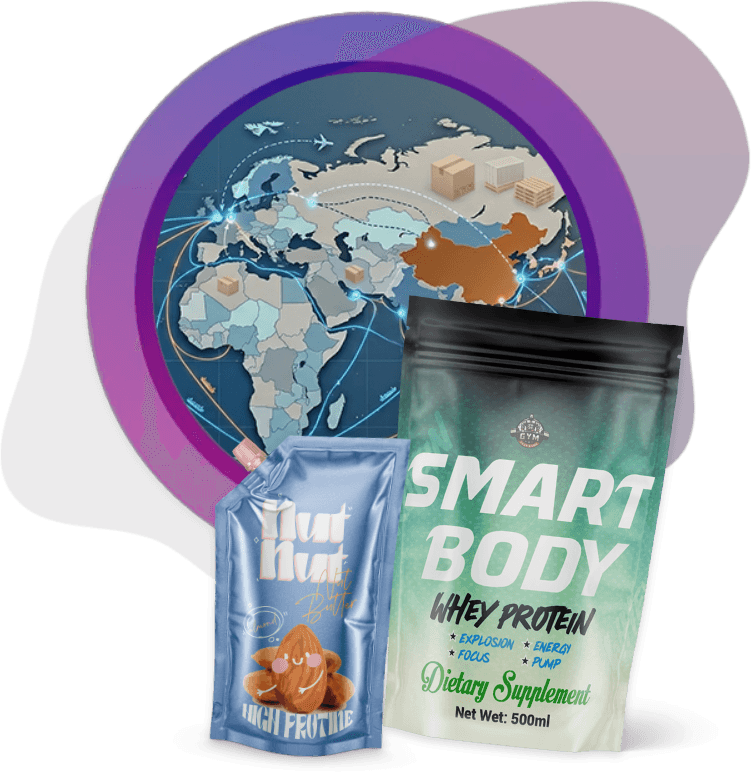
China — Lowest Unit Prices, Highest Hidden Cost Structures
China is the often the cheapest option for lower to mid-volume orders, particularly if you're ordering 100,000 units or less. If you're ordering more units than that, other countries actually have a better cost advantage because the price for labor in China has actually skyrocketed in the last decade due to the increase in their skilled workforce. Here are some quick pros and cons of ordering your flexible packaging from a packaging company in China.
Pros:
Cons:
Ultimately, ordering packaging components from an Asian country like China can appear to be cheap at checkout but expensive once issues begin to surface.
Vietnam — Cost Effective Pricing, Improved Quality, Longer Lead Times
Vietnam has established itself as one of the lowest-cost manufacturing companies in the world because of its extremely low labor costs, which tend to be 40-60% lower than those in China. While the country is officially under a Communist government, it is highly proactive in promoting business and signing trade agreements. Though Vietnam lacks some of the newest technology and doesn't excel at digital printing, they're a great solution if you're looking for high volume and low pricing.
Pros:
Cons:
In essence, Vietnam is a good middle ground when it comes to quality packaging, but still has plenty of overseas unpredictability to take into consideration.

India — Low Flexible Packaging Cost, Compromising Quality
India was briefly seen as the next major hub for affordable packaging manufacturing because it avoided the heavy tariffs placed on countries like China and Vietnam during the Trump administration. That changed when trade tensions between the U.S. and India resulted in significantly higher tariffs on Indian goods as well. India remains highly business-friendly, but sourcing packaging there is often more relationship-driven than in many other countries on this list. When purchasing low-cost packaging from India, having a trusted local partner on the ground can be invaluable for maintaining quality and ensuring smooth production.
Pros:
Cons:
When it comes to the packaging industry in India, you'll have to ask yourself this question: "Savings vs reliability - which matters more?"

Mexico — Moderate Pricing + Faster Shipping
Mexico usually isn't a good solution for most packaging buyers because it's a very specialized manufacturing country. It doesn't focus on cheap packaging and its packaging supplies primarily come from other countries. For example, in many cases, if you're buying your packaging from Mexico it was probably originally sourced from Vietnam.
Pros:
Cons:
Although Mexico isn't often the first choice for packaging, it can be a good choice for brands needing more predictable timelines.

United States — Higher Unit Price, Lowest Total Risk
With the ongoing shifts in globalization many companies are rethinking how to reduce supply chain risk. One of the most effective strategies is keeping production as close to home as possible, which is a major advantage of manufacturing in the United States.
In addition, increased automation and relatively low petroleum costs help make U.S.-based production more economically viable than many businesses assume. While we may be somewhat biased as a U.S.-based company, we believe domestic manufacturing offers a practical and resilient solution for companies looking to strengthen their supply chains.
Pros:
Cons:
The Hidden Cost Equation (Where Brands Miscalculate “Cheap” Packaging)
What looks inexpensive on paper often becomes far more costly once the full picture is considered. Many brands focus on unit price alone and overlook the additional expenses that accumulate throughout the sourcing process.
Common hidden packaging costs include:
When these important factors are added together, the lowest quoted price is often not the lowest total cost. Brands that account for the full cost equation tend to make more sustainable sourcing decisions.
So Which Country Has the “Best Prices”? The Answer Depends on Consumer Preferences
The “best price” isn’t just about the lowest per-unit packaging cost — it’s about the lowest end-to-end cost. When you factor in freight, delays, quality risks, and inventory waste, the cheapest quote doesn’t always translate into the most affordable outcome.
Here’s how the equation often breaks down:

Lowest unit packaging cost — China
China frequently offers the lowest per-unit pricing, especially for high-volume production. However, the total cost can rise quickly once freight, tariffs, longer lead times, and risk are included.
Best balance — Mexico
Mexico often provides a middle ground: competitive pricing combined with shorter transit times and easier communication. For many brands, this balance can reduce overall costs and improve reliability.

Lowest risk and most predictable total cost — United States
Domestic production typically has higher upfront pricing but fewer surprises. Faster turnaround times, easier quality control, and lower logistics complexity often make total costs more predictable.
The reality is simple: cheap is only cheap when nothing goes wrong — and something almost always goes wrong in overseas production.
The smartest sourcing decisions come from evaluating the full cost picture, not just the number on the initial quote.
How CarePac Helps You Navigate Pricing Without Surprises
If you’ve sourced cheap packaging before, you’ve likely encountered unexpected costs, confusing quotes, or production delays. The goal isn’t just to find a lower price — it’s to make sure the price you see is the price you can rely on. CarePac focuses on making the process clearer and more predictable so you can make confident decisions.

Here’s how we help reduce uncertainty:
U.S.-based communication and predictable timelines
Work with a responsive team in your time zone, with realistic schedules you can plan around.
Transparent pricing structure
Quotes are designed to reflect true project costs — not teaser prices that grow later through hidden fees.
Lower MOQs for growing brands
Order quantities that match your current stage, so you’re not forced into excess inventory.
Accurate proofs and strong quality control
Clear proofs and careful review processes help prevent costly errors before production begins.
Guidance on materials and specifications
Get practical input on substrates, sizing, and technical details so your packaging works the first time.
Experience across domestic and overseas production
Advice is based on real-world experience managing both U.S. and international supply chains, helping you choose what actually makes sense for your situation.
You’ve seen the pitfalls — this is how to avoid them.
Want clarity around your quality packaging costs?
Get expert guidance with your first quote — no pressure, no surprises.
Lets Get Started

Made In
The USA

Full Pouch
Customization

Scalable Printing
Digital & Plate
Latest From The Blog
© 2025 CarePac. ISO 9001:2015 CarePac, Family Owned Flexible Packaging
Legal | Capabilities | Privacy