No products in the cart.

$0.00
Cart


How Custom Packaging Buyers Can Reduce Cost Per Pouch at Higher Order Volumes
If you're ordering pouches and packaging at high order volumes, you already know that volume discounts are available and that ordering more packaging can significantly reduce your total cost. The bigger opportunity, though, is one that most buyers miss.
It's the decisions you make before the order is finalized that can have the greatest impact on variable costs: film specs, SKU structure, specialty coatings, raw materials (including compostable materials), format choice, and reorder timing. All of these decisions are locked in with your packaging supplier by the time the quote comes back, which means learning how to reduce custom packaging cost per unit and cost optimization happens earlier than most buyers think.
In this article, we'll break down every lever that affects the cost per pouch, ranked by impact, so you can reduce packaging costs on your custom packaging solutions without lowering quality or impacting customer satisfaction.
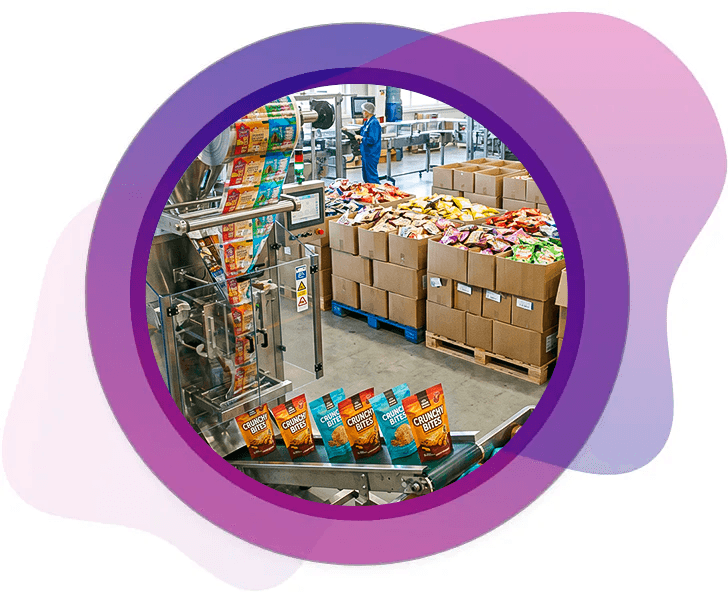
Where the Price Breaks Actually Happen in Custom Pouch Orders
When it comes to identifying where the price breaks happen in the supply chain, there are three core packaging component areas to focus on:
1
The fixed cost spread
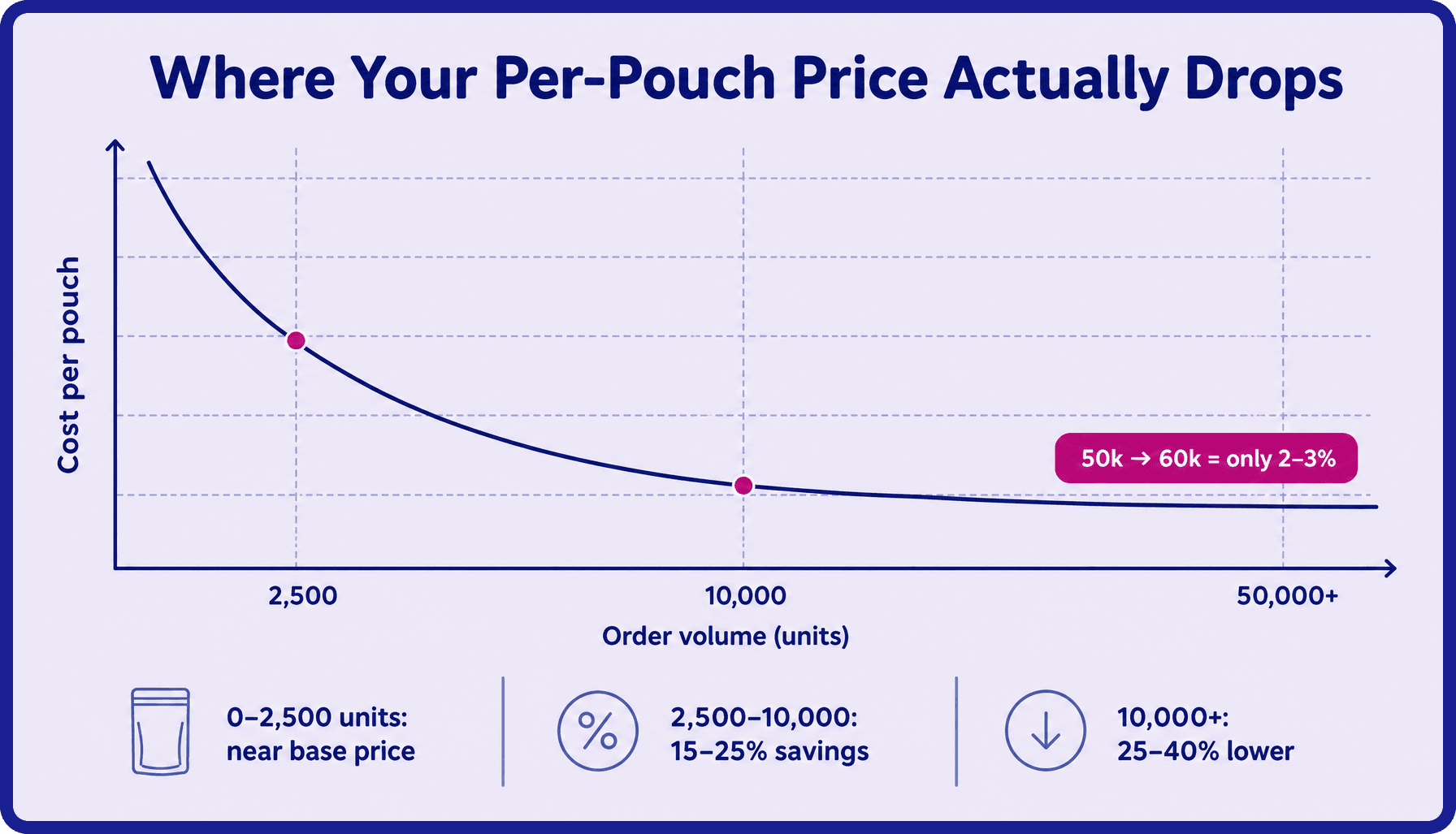
Every custom pouch order carries fixed costs, including plate setup, press prep, and quality inspection. At low volumes and fewer units, those fixed costs are a large percentage of the per-unit price. At high volumes, they become negligible. The biggest per-unit savings happen in the jump from small runs to the first meaningful threshold (typically around 5,000–10,000 units). After that, savings continue but flatten.
2
The practical tier structure
Industry pricing typically follows a pattern buyers can plan around. Orders in the 0–2,500-unit range pay near base price; 2,500–10,000 units start to return 15–25% savings; 10,000+ units can reach 25–40% per-unit reduction versus small runs. These aren't CarePac-specific numbers; they reflect how flexible packaging economics work. The point is that buyers who are already at 10k+ are past the steepest part of the curve, which is why the other levers in this article matter more at that scale.
3
The diminishing-returns reality
Jumping from 50,000 to 60,000 units might only reduce the per-unit price by 2–3%. At that scale, volume alone is no longer the main savings lever. The other packaging strategies in this article matter more.
Choosing the Right Film Spec Is the Biggest Per-Unit Cost Lever You Have
Film structure is where most buyers either overspend or underspec, and at high volumes, both are expensive mistakes. Many buyers default to high-barrier foil laminate because it "feels safer." For products that don't require that barrier level (i.e., dry snacks with short shelf life, items that sell through in 60–90 days), they're paying a premium that doesn't deliver meaningful product benefit. At 50,000 units, the unnecessary material pricing is a significant cost line.
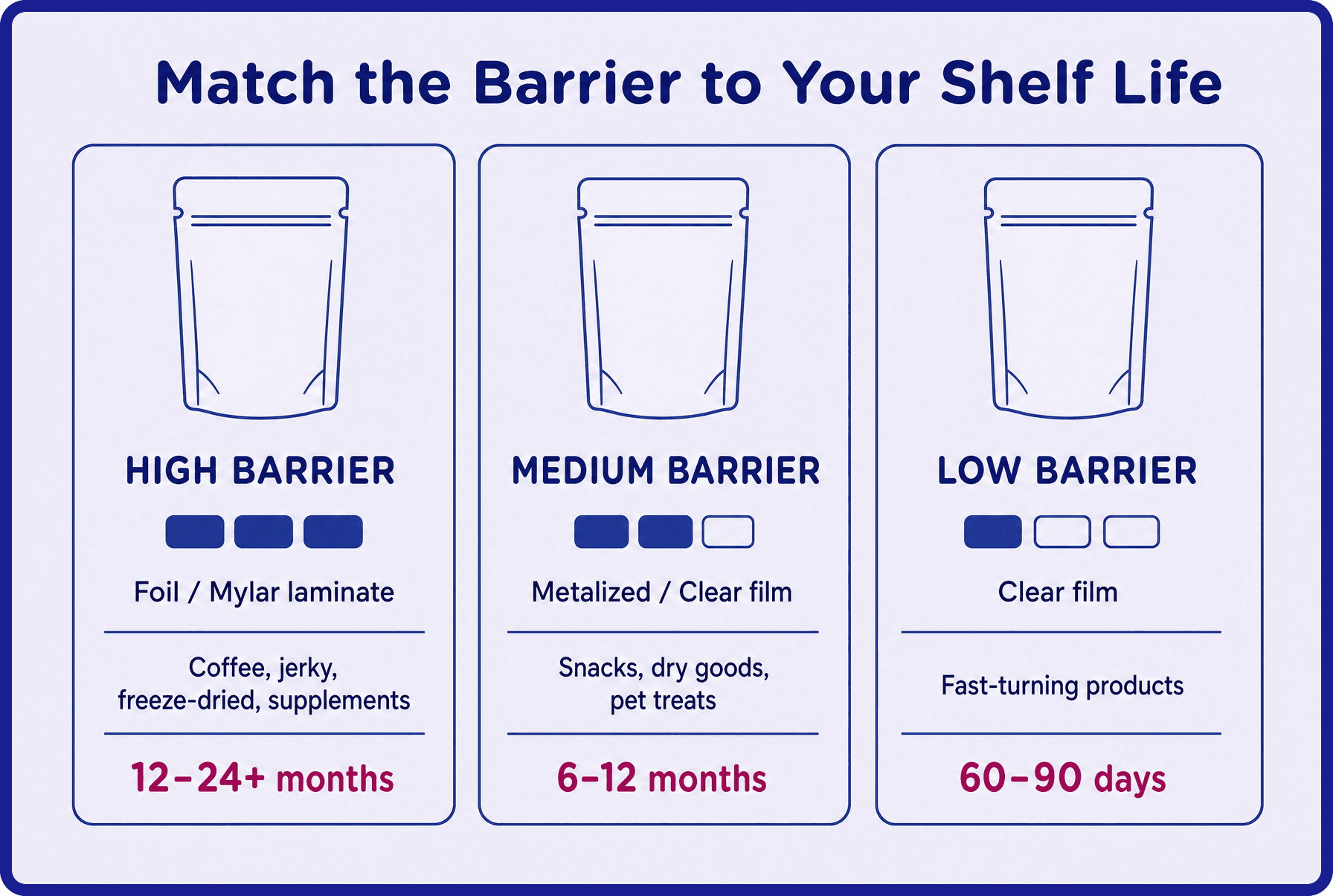
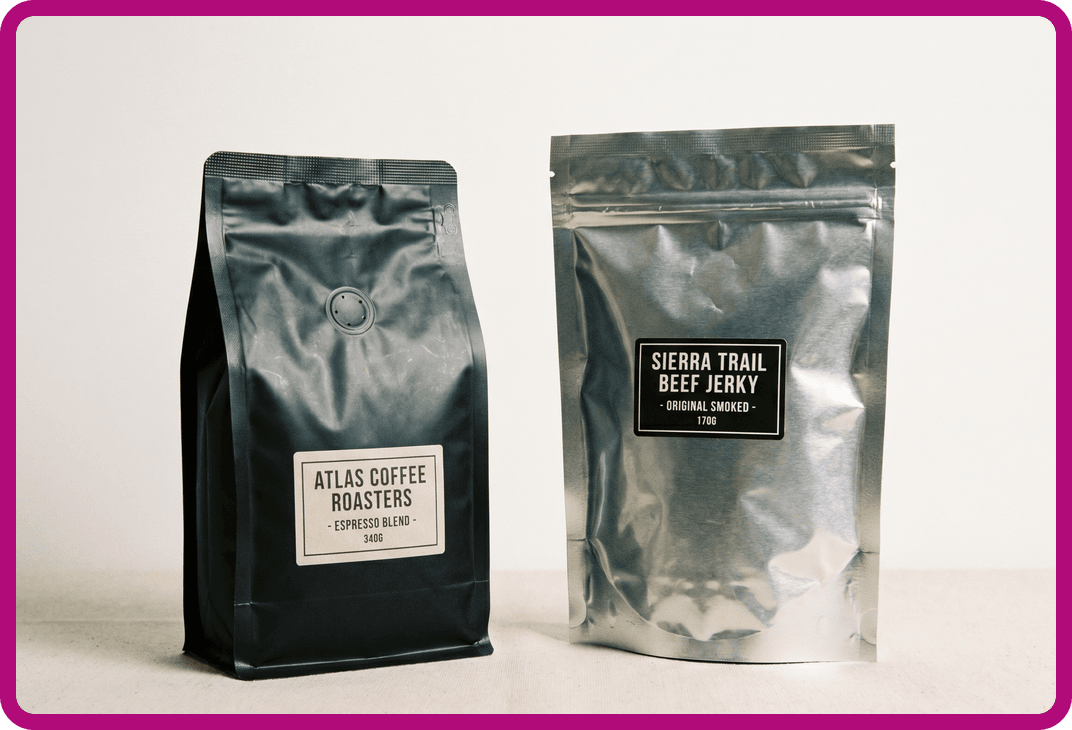
Therefore, it's important to match the barrier to the product's actual shelf-life requirement. For oxygen- and moisture-sensitive products with a 12-24+ shelf life (coffee, jerky, freeze-dried products, supplements, pharmaceutical products), you'll need to opt for a high-barrier foil or a mylar laminate. For medium-barrier products (snacks, dry goods, pet treats, items with a 6-12 month shelf life), a clear or metalized film will do the trick. Finally, a lower-barrier clear film is perfectly fine for fast-turning products or products with a short shelf life.
You'll also need to pay attention to finishes. Matte and soft-touch finishes add cost compared to standard gloss, and at high volumes, that premium quickly accumulates. If your product doesn't require the perceived value that's added by a premium finish to compete on the shelf, gloss is the most cost-efficient choice. So, before your next reorder, confirm your product's actual shelf-life packaging requirements and purchase product packaging accordingly.
Consolidate SKUs to Maximize Volume Pricing Across Your Product Line
Another area where buyers can save on their production costs is by combining SKUs to maximize volume pricing. If two or more SKUs share the same film spec, format, and size, they can often be consolidated into a single production run. If material usage is the same, the production run is larger and per-unit economics improve across all three SKUs. This way, the buyer isn't paying setup costs separately for each individual item.
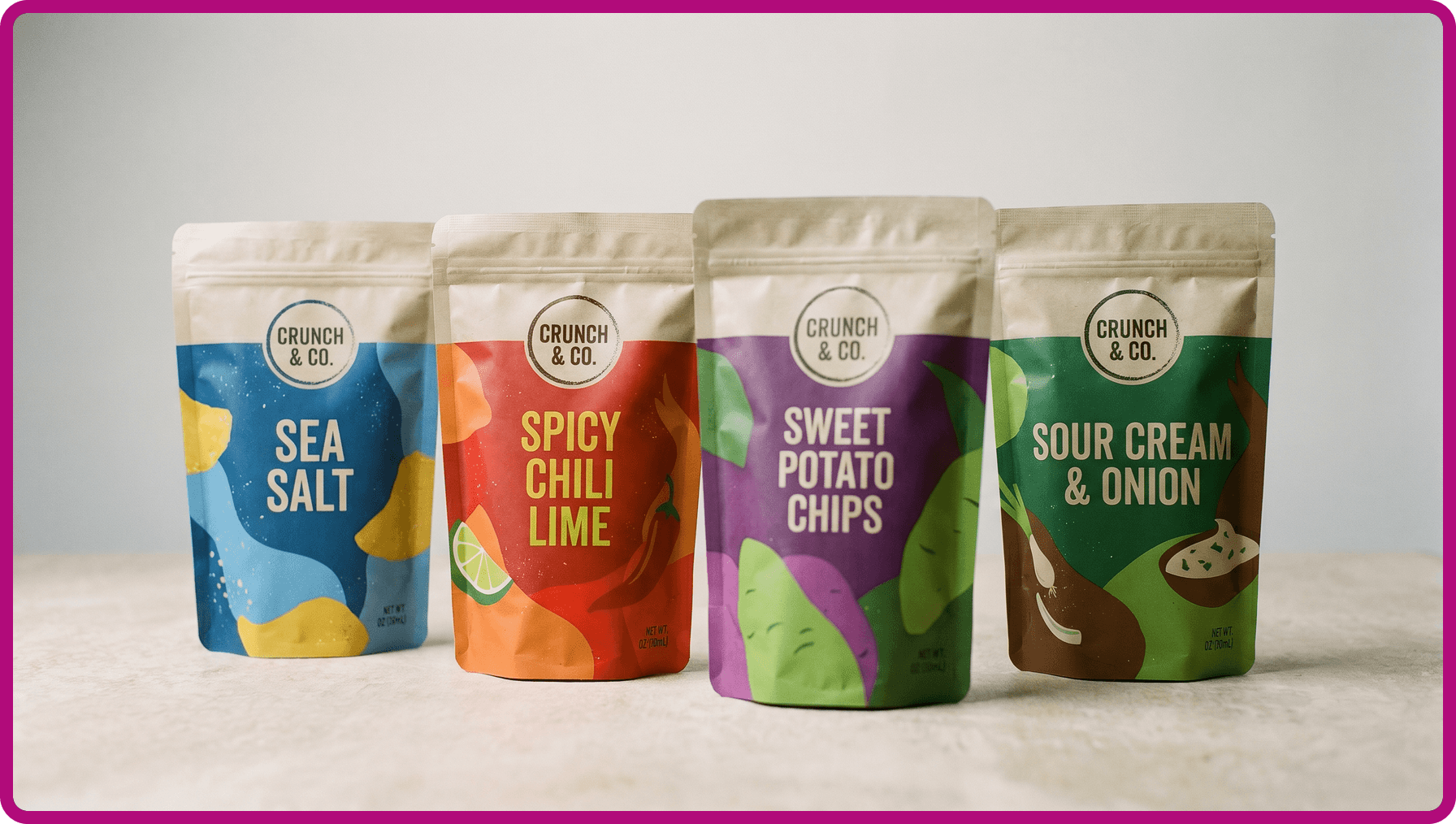
For this strategy to work, the size, film structure, format, and finish need to be identical across SKUs. Artwork can differ since it's handled at the print stage, not the production process stage. Many brands end up with slightly different pouch sizes or film specs across their line because different SKUs were spec'd at different times. Doing a format audit and deliberately standardizing packaging sizes creates consolidation opportunities that didn't exist before. The per-unit savings from this can be significant, and it can also reduce material waste by reusing the same material across different packaging elements.
CarePac is proud to offer our customers this discount on multi-SKU orders where specs align. Please inquire about this when requesting a quote, and we'll work those savings into your estimate.
Rollstock vs. Premade Pouches: What High-Volume Buyers Need to Know
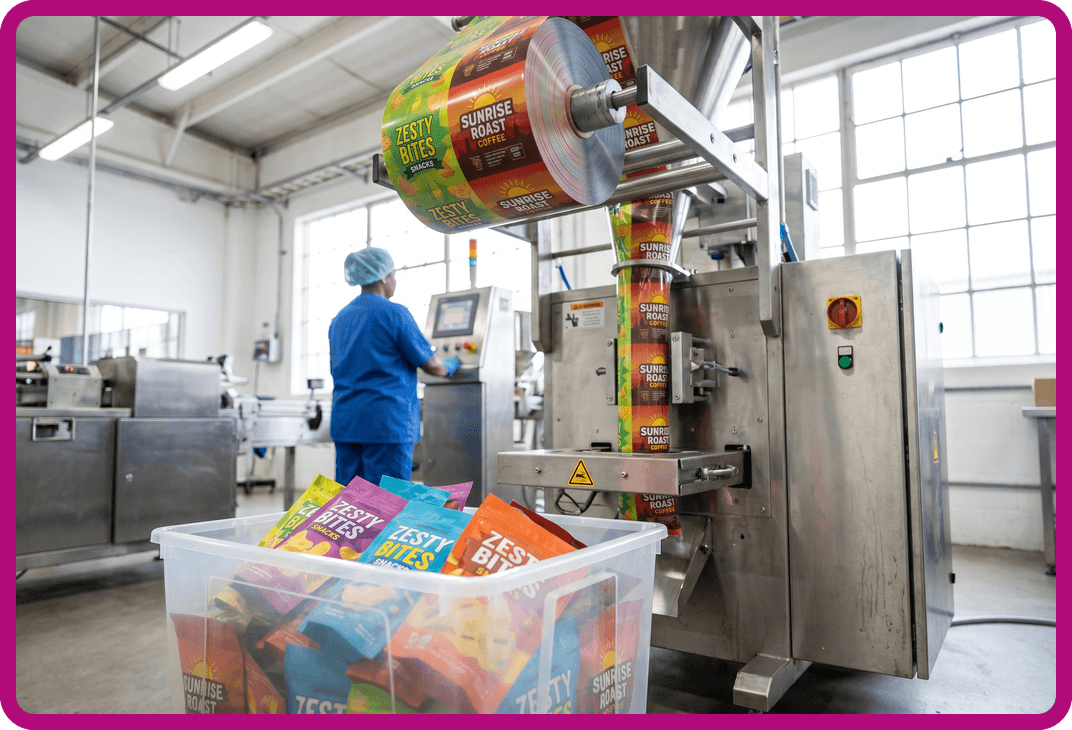
For high-volume packaging operations, rollstock film can offer substantial cost savings compared to premade stock packaging. Because the film is supplied on a roll and formed, filled, and sealed on the buyer's or co-packer's equipment, rollstock typically costs 30–50% less per unit than premade pouches at equivalent volumes. For brands producing 50,000+ units, that difference can translate into meaningful material cost reductions. The lower retail price results from the supplier providing film rather than finished pouches, eliminating much of the conversion work and packaging waste required to create premade packaging.
Rollstock is best suited for large and small businesses running VFFS (vertical form-fill-seal) or HFFS (horizontal form-fill-seal) equipment, either in-house or through a co-packer. It works particularly well for high-volume products with predictable production schedules and long, consistent production runs. In these environments, the efficiency of form-fill-seal equipment can significantly reduce packaging costs while maintaining production speed.
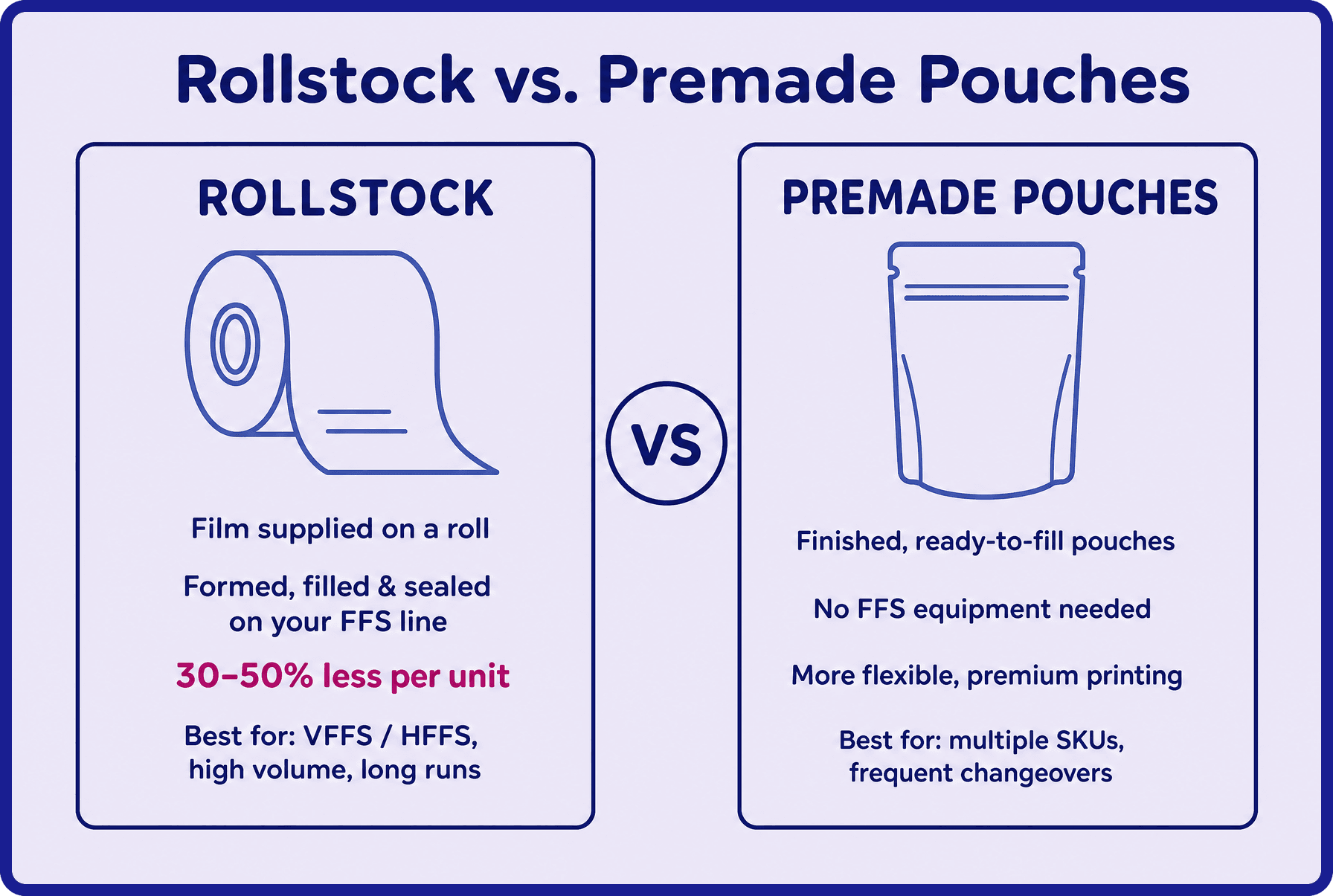
Premade pouches may still be the better choice for brands managing multiple SKUs, frequent changeovers, or operations without access to FFS equipment. They also offer greater flexibility and often support premium printing and pouch aesthetics that some brands prioritize over maximum line efficiency. A simple question can help guide the decision: Does your co-packer run form-fill-seal equipment? If the answer is yes, comparing a rollstock quote alongside a premade pouch quote is well worth the exercise. CarePac offers both rollstock film and premade pouch solutions, allowing buyers to choose the format that best fits their operational and branding positioning goals.
How Your Reorder Strategy Affects Per-Pouch Cost
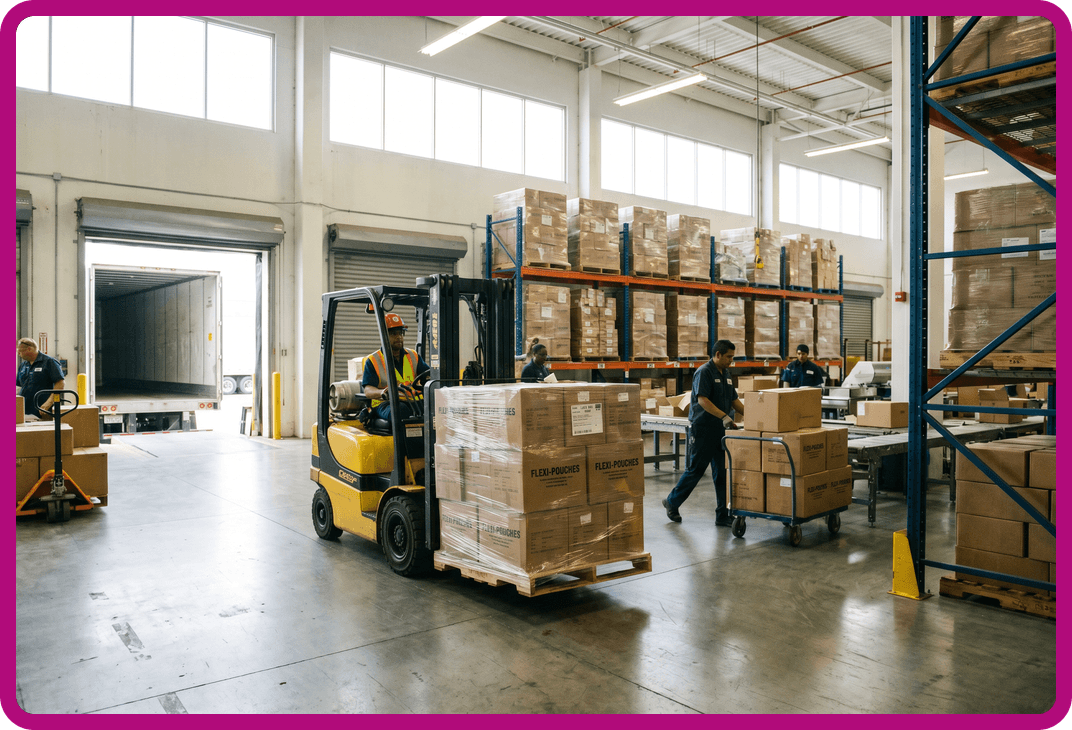
Most buyers focus on packaging and shipping costs when they're ready to place an order. The buyers who consistently achieve the lowest per-unit pricing start planning their packaging budget and projects much earlier. Forecasting production needs, managing reorder timing, and understanding annual demand can have just as much impact on product cost as the specifications themselves. In many cases, the savings come from planning ahead rather than negotiating harder.
Rush orders are the most obvious example. Express shipping methods carry a premium over standard or economy production schedules, and at higher volumes, that added cost can become significant, especially once transportation costs are factored in. Buyers who forecast demand accurately and place orders early enough to use standard lead times typically capture savings that rush-order customers leave on the table. The advantage comes from disciplined production planning, not simply ordering premium packaging more frequently.
Reorders also tend to cost less than first production runs because the initial setup work—such as plate creation, custom inserts, press proofing, and approval processes—has already been completed. For buyers placing an initial order of 10,000 units or more, it's important to understand that future reorders often become more cost-efficient when specifications remain unchanged.
Brands with predictable annual demand may also benefit from discussing volume commitments with CarePac, which can unlock more favorable pricing across the year. At the same time, buyers should balance larger order quantities against storage costs and inventory risk. A lower per-unit price only creates real savings if excess inventory won't become obsolete due to packaging redesigns, regulatory changes, or other product updates.
Which Packaging Design Features Drive Up Fixed Costs (and Which Are Worth It)
Certain packaging features can improve functionality, compliance, and shelf appeal, but not every feature delivers enough value to justify the product's retail price. At high volumes, seemingly small upgrades can have a meaningful impact on per-unit pricing. The key is understanding which features genuinely support your product and sales channel—and which ones have simply become part of the spec by default.
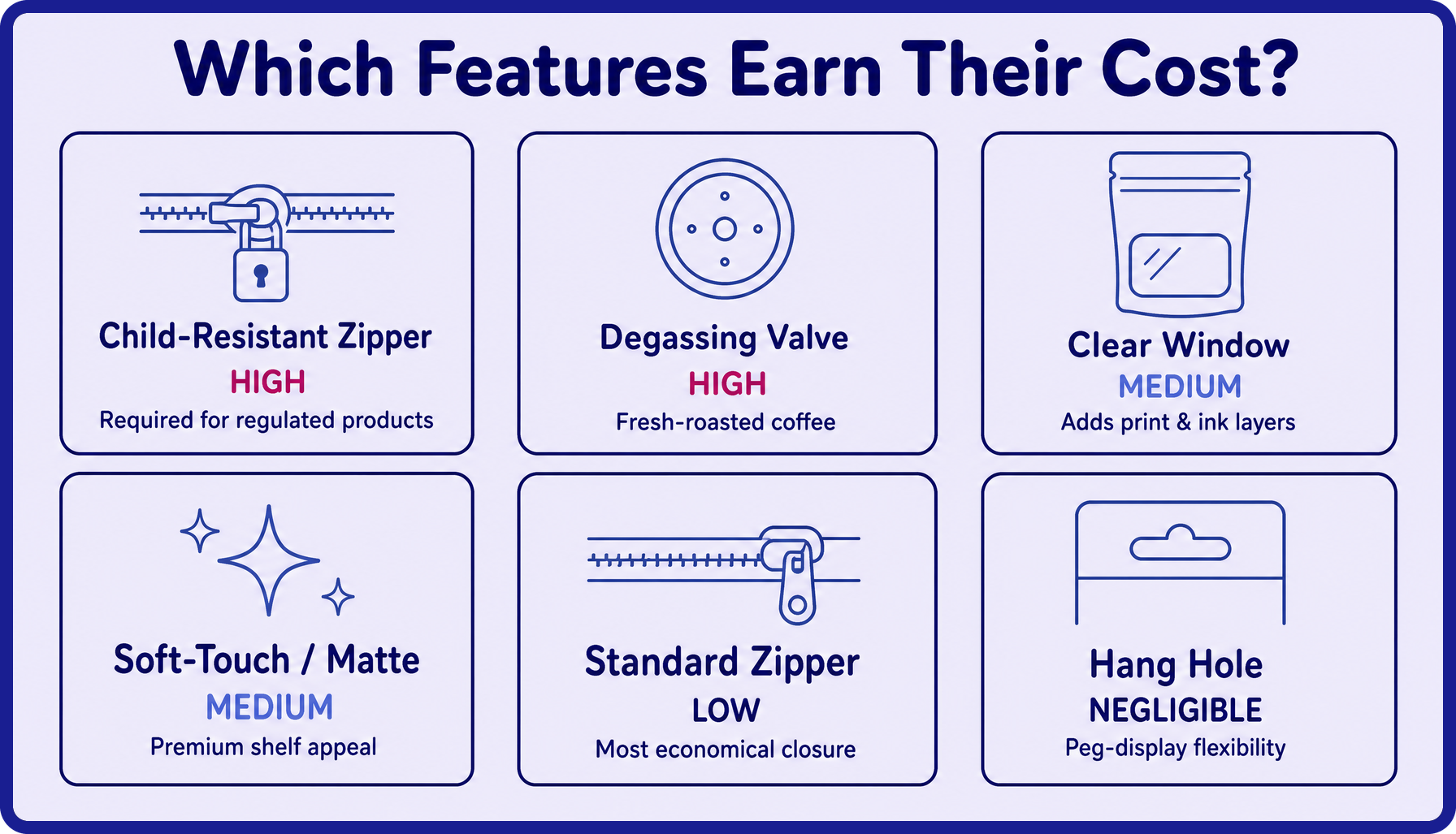
Among the highest-impact cost drivers are specialty closures. Standard zippers are typically the most economical option, while powder-resistant zippers, child-resistant (CR) zippers, and other specialty closures increase costs. CR zippers carry the largest premium but are essential when regulations require them. Degassing valves are another feature that adds meaningful cost and should generally be reserved for fresh-roasted coffee, where they play a critical role in product performance. Clear windows also increase costs because they require additional print setup and white ink layering. They are often worthwhile when customers want to see the product before purchase, but may provide little value when branding and graphics drive the buying decision.

Finish options such as matte and soft-touch coatings add cost compared to standard gloss finishes and are best suited for products competing on premium shelf presentation. By contrast, hang holes have a negligible impact on pricing at high volumes and are often worth keeping because they provide flexibility across retail environments that use peg displays. When evaluating any feature, buyers should ask a simple question: Is this feature earning its cost in our specific sales channel? If the answer is yes, keep it. If not, it may be an opportunity to reduce costs on the next reorder without affecting product performance or sales.
Ready to Reduce Packaging Costs Without Sacrificing Quality? Start With a Quote.
Per-pouch cost at high volumes is influenced by far more than order quantity. Material selection (including sustainable packaging materials), pouch format, production method, feature choices, and reorder planning all play a role in determining what you ultimately pay. CarePac works with high-volume buyers to optimize these decisions early, helping ensure packaging specifications align with both operational requirements and cost goals.
If you're planning a large production run or evaluating ways to reduce your current packaging costs, the next step is to have a conversation about a quote. Request a quote to compare options, or contact our team for a free consultation to discuss specifications, production requirements, and cost-saving opportunities before pricing your project.
Frequently Asked Questions
Latest From The Blog
© 2025 CarePac. ISO 9001:2015 CarePac, Family Owned Flexible Packaging
Legal | Capabilities | Privacy