No products in the cart.

$0.00
Cart


How Does a Chamber Vacuum Sealer Work
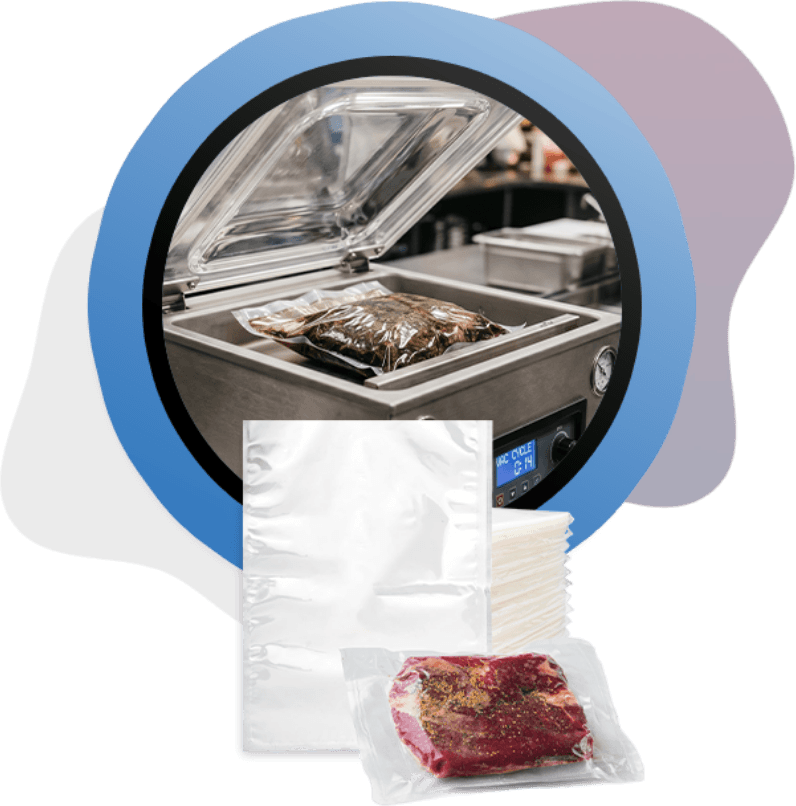
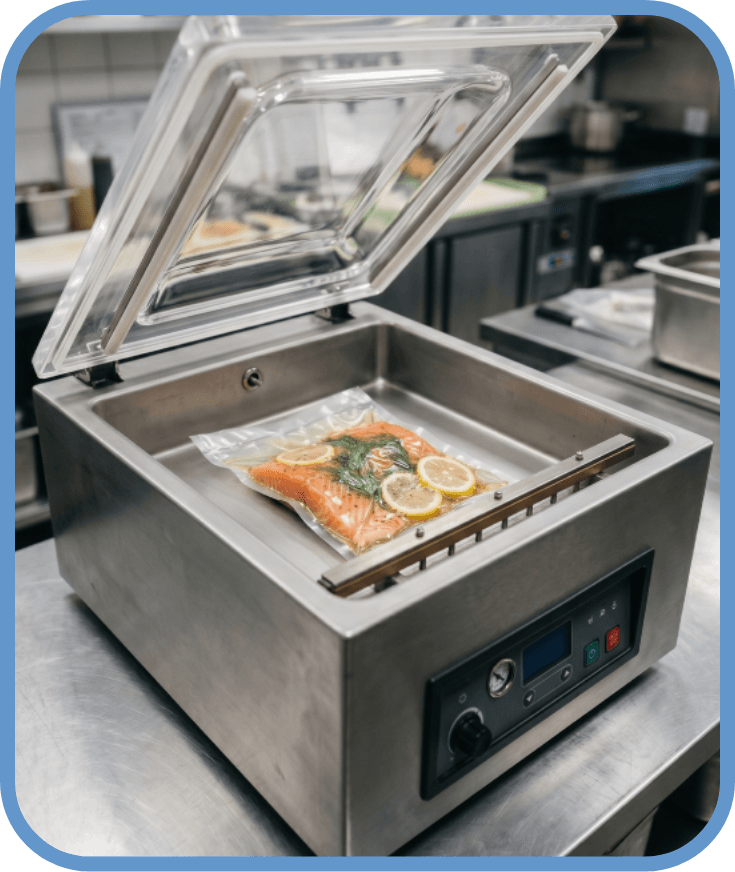
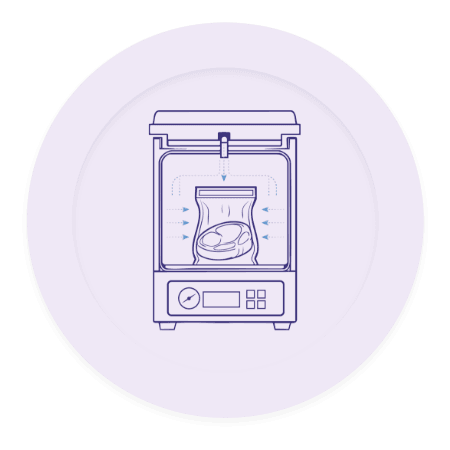
A chamber vacuum sealer operates by placing a filled pouch inside a sealed enclosure where air is extracted from the entire chamber before the bag is sealed. As the pressure drops evenly inside and outside the pouch, air escapes from the package without the aggressive suction used in edge-style machines. The sealing bar then closes the bag while the vacuum is still maintained, and normal air pressure is restored once the cycle finishes, tightening the package around the product. The end result is a very tight package that perfectly protects the product inside.
Because the vacuum is created in a controlled environment, the process is especially effective for producing uniform seals and consistent results. This makes chamber sealing well suited for delicate foods, liquids, and high-volume production where reliability matters. Manufacturers such as Pouchworth often recommend chamber systems when consistency, efficiency, and product protection are priorities.
What Is a Chamber Vacuum Sealer?
A chamber vacuum sealer is a type of vacuum packaging equipment designed for professional and commercial use. Unlike countertop edge sealers, where the open end of the bag sits outside the machine and air is pulled directly from the pouch, chamber sealers hold the entire package inside the unit during the sealing cycle. The machine evacuates air from the whole chamber — not just the bag — creating balanced air pressure inside that allows the contents to remain stable during sealing.
This structural design is why chamber vacuum sealers are widely used in commercial kitchens, food manufacturing operations, and sous vide preparation. They are particularly useful for packaging liquids and wet foods because the equalized pressure prevents spills and produces dependable seals. The result is a versatile packaging method that supports longer shelf life and more consistent product presentation.
How a Vacuum Chamber Sealer Works (Step by Step)
Though we've answered "how does a chamber vacuum sealer" work in theory, you might be wondering how it works in practice. Here's a step-by-step breakdown of how a chamber vacuum sealer works.

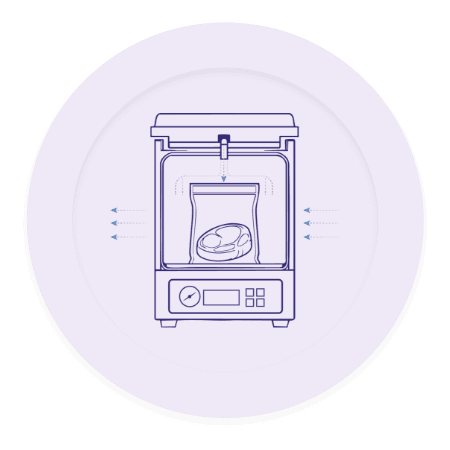
Step 1 – Air Is Removed From the Entire Chamber
During this step, the vacuum pump removes air from the whole chamber. The pressure inside the bag and outside the bag stays equal, which is why this prevents liquids from being pulled out.

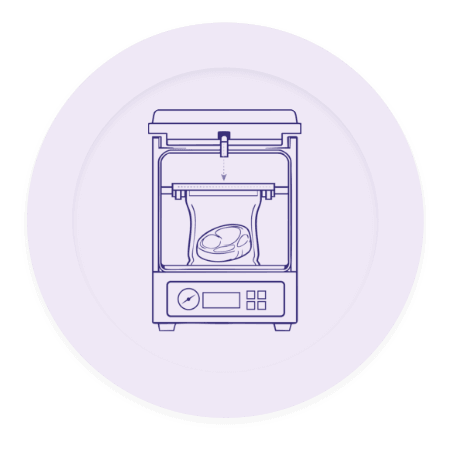
Step 2 – The Bag Is Heat-Sealed Under Vacuum
In step 2, the sealing bar engages while the chamber is still under vacuum. The heat melts the bag layers together, which creates a strong, more reliable seal.

Step 3 – Air Re-enters the Chamber (Compression Effect)
Finally, the chamber returns to normal atmospheric pressure inside. Here, the outside pressure compresses the bag tightly around the product and users typically "see" the vacuum effect. It's important to note that compression does not happen during air removal, which is a common misconception people have about chamber vacuum sealers.
Why Chamber Vacuum Sealing is Better for Liquids
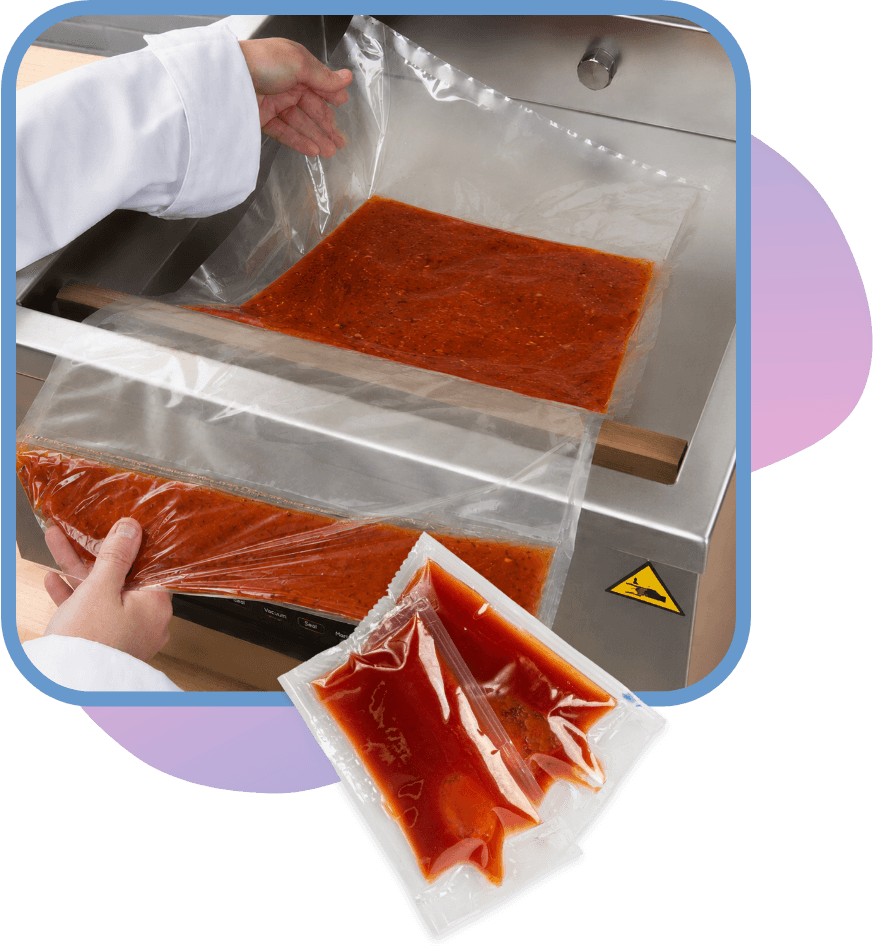
Chamber vacuum sealers are especially well suited for packaging liquids such as soups, sauces, marinades, and brines. Because the entire chamber is evacuated during the sealing cycle, pressure is reduced evenly around the pouch. This allows liquids to remain stable inside the bag instead of being forced toward the opening, making it much easier to achieve a clean, reliable seal.
Unlike edge-style vacuum sealers that rely on directional suction, chamber machines do not pull liquids upward through the bag opening. This greatly reduces the risk of spills entering the sealing area or the machine itself. As a result, users experience fewer messes, less equipment wear, and fewer seal failures, making chamber vacuum sealing a more dependable solution for packaging wet foods and liquid products.
Chamber Vacuum Sealers vs Edge (Suction) Sealers
How Edge Sealers Work
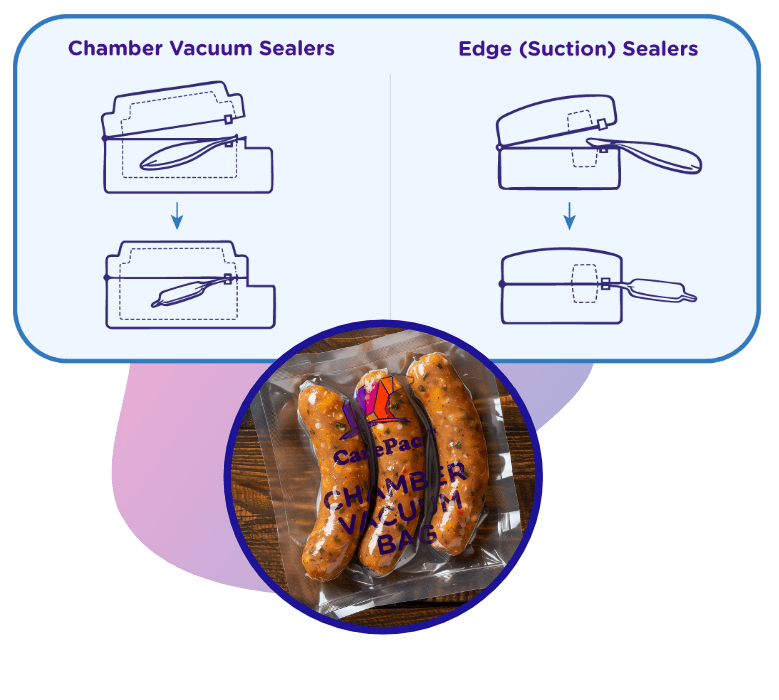
Edge (or suction) vacuum sealers remove air by pulling it directly through the open end of a bag. The bag opening is positioned outside the machine while a vacuum pump extracts air and then heat-seals the edge. Because the air has to travel through the bag opening, these machines require textured or channeled vacuum bags that allow air to flow out during the sealing process.
This design works well for dry foods but creates challenges when sealing liquids. Directional suction can pull soups, sauces, or marinades toward the sealing area, increasing the risk of spills, weak seals, or machine contamination.
Key Differences at a Glance
Feature | Chamber Vacuum Sealers | Edge (Suction) Sealers |
|---|---|---|
Air removal method | Air is removed from the entire sealed chamber | Air is pulled directly from the bag opening |
Liquid compatibility | Excellent for liquids and wet foods | Limited; liquids can interfere with sealing |
Bag type | Uses smooth, standard vacuum pouches | Requires textured or channeled bags |
Seal strength | Consistent, uniform seals | Can vary depending on air removal |
Typical use cases | Commercial kitchens, food production, sous vide, liquid packaging | Home use, small batches, mostly dry foods |
Understanding these differences helps ensure you select the right equipment for your application and packaging needs.
What Types of Bags Do Chamber Vacuum Sealers Use?
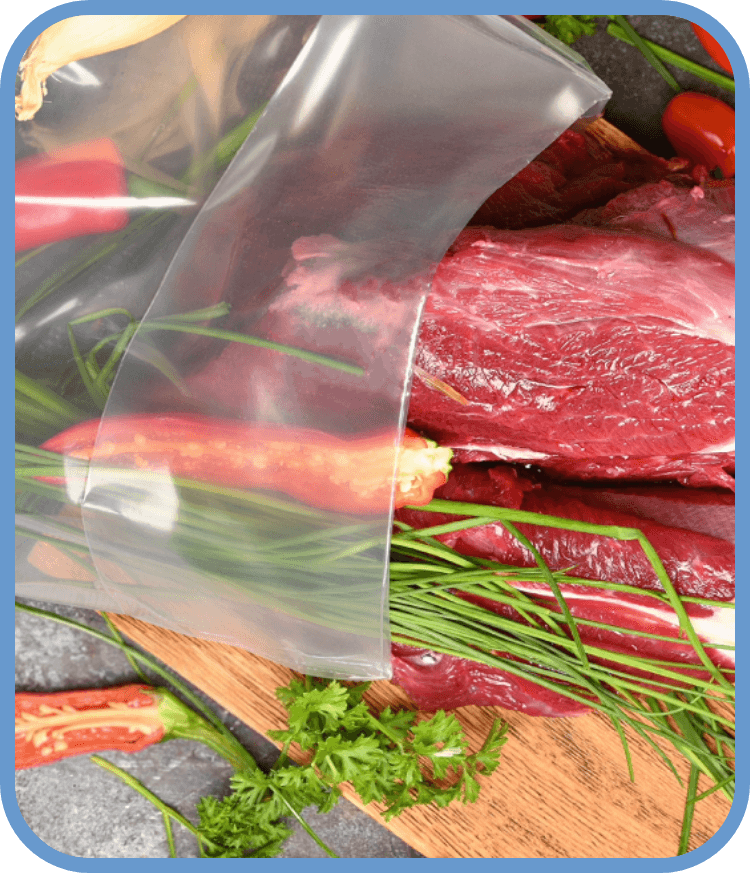
Chamber vacuum sealers use smooth, non-textured pouches designed to handle the full vacuum process inside the sealed chamber. Unlike edge (suction) sealers, these bags don’t require mesh or channeling to allow air to escape, because the air is removed from the entire chamber rather than just through the bag opening.
This design offers several advantages: it typically uses less plastic, lowers overall bag costs, and allows for more consistent seals. Some chamber pouches are even reusable, depending on the material and application. It’s important to note that chamber bags are not interchangeable with edge sealer bags — using the wrong type can result in poor seals or machine damage. Choosing the correct bag ensures optimal performance, reduces waste, and maintains food quality.

Common Use Cases for the Chamber Vacuum Sealing Process
Chamber vacuum sealers are versatile tools widely used across commercial and culinary applications. One of the primary use cases is commercial packaging — from meal prep services to food manufacturers — where consistent, professional-quality seals are essential. For more examples of how businesses use chamber sealing, see our use case pages.
They’re also key for food preservation and shelf-life extension, helping restaurants, catering operations, and production facilities keep ingredients fresh longer by removing oxygen and reducing spoilage. Additionally, chamber sealers are commonly used for infusion and compression techniques, allowing chefs and food innovators to marinate, flavor, and compress ingredients efficiently while maintaining precise control over texture and taste.
Final Thoughts
Chamber vacuum sealers combine a simple yet effective three-step process: place the pouch in the chamber, evacuate air from the entire chamber, and seal the bag under vacuum. This method ensures consistent, reliable results that are difficult to achieve with edge (suction) sealers.
The key advantages — excellent liquid compatibility, uniform seal strength, smooth pouch use, and reduced risk of spills or seal failure — make chamber sealers the preferred choice in professional kitchens, food manufacturing, and high-volume packaging operations. For businesses looking to optimize packaging efficiency and product quality, understanding both the machine and the correct pouch materials is essential.
If you’re sourcing chamber vacuum pouches or other packaging solutions, choosing the right materials matters just as much as the machine.

Lets Get Started

Made In
The USA

Full Pouch
Customization

Scalable Printing
Digital & Plate
Latest From The Blog
© 2025 CarePac. ISO 9001:2015 CarePac, Family Owned Flexible Packaging
Legal | Capabilities | Privacy